Indian Potbellies: Bloating, SIBO, and Starches

Summary
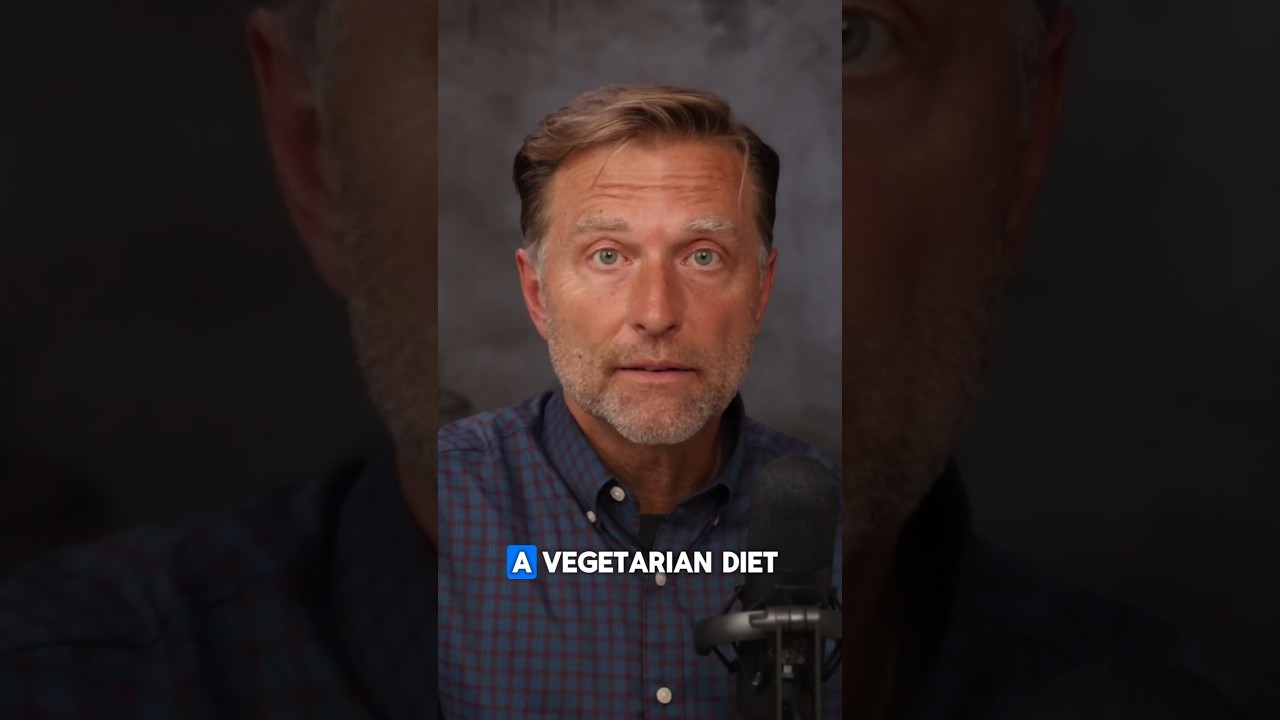
Why do some Indian men seem to have potbellies even without high meat intake? This video’s core idea is that a common vegetarian pattern paired with lots of refined sugars and starches can feed gut microbes, leading to excess fermentation, gas, and a bloated, protruded abdomen. The speaker links this pattern to *SIBO* (small intestinal bacterial overgrowth) and argues that the most effective fix is reducing refined starches and sugars, specifically ingredients like wheat flour, tapioca flour, modified food starch, modified cornstarch, maltodextrin, rice flour, and potato flour. This article unpacks that mechanism, trade-offs, and practical next steps.
Why does the belly look like a “potbelly”?
Why do some people, especially Indian men, look like they have a potbelly even if they are not gaining weight everywhere else?
This video’s framing is blunt: in many cases the “protruded stomach” is less about muscle definition or meat intake, and more about bloating from gas.
That matters because a bloated abdomen can look similar to abdominal fat, but the day-to-day pattern is often different. Bloating tends to fluctuate, for example worse after meals, later in the day, or after certain foods. Fat gain usually changes more slowly.
Important: A persistently enlarged abdomen can have many causes, including constipation, food intolerances, liver disease, or fluid buildup. If the change is new, painful, associated with weight loss, vomiting, blood in stool, fever, or anemia, it is worth contacting a clinician.
The video’s mechanism: refined carbs, microbes, fermentation
The key insight here is a chain reaction: refined sugars and starches feed gut microbes, microbes ferment them, fermentation produces gas, and gas produces visible abdominal distension.
The speaker links this to a common dietary pattern in India: many people are vegetarian and “do not consume a lot of meat.” The argument is not that vegetarian diets inherently cause bloating. Instead, the trade-off is that some vegetarian patterns can lean heavily on refined carbohydrate staples and processed starches, especially when protein and fiber choices are limited.
Why refined starches can be a bigger trigger than whole foods
Refined carbohydrates are typically easier and faster to break down. For some people, that means more substrate reaches bacteria in the wrong place or in larger amounts, increasing fermentation and gas. Research on SIBO notes that symptoms commonly include bloating, gas, and abdominal discomfort, and diet can influence symptoms, although approaches vary and should be individualized (National Institute of Diabetes and Digestive and Kidney DiseasesTrusted Source).
Did you know? The American College of Gastroenterology lists bloating and gas among common symptoms discussed in clinical guidance on SIBO (ACG Clinical Guideline overviewTrusted Source).
SIBO as the label, and what that implies
The video names this pattern: SIBO, or small intestinal bacterial overgrowth.
That label is useful because it points to a specific mechanism, bacteria in the small intestine producing symptoms. But it also creates a trade-off. If you assume it is SIBO without evaluation, you can miss other common causes of bloating, such as lactose intolerance, celiac disease, IBS, constipation, or medication effects.
Where testing and medical guidance fit
Breath testing and clinical assessment are often used when SIBO is suspected, but accuracy and interpretation can be nuanced. If you are considering major diet restriction or you have ongoing symptoms, a gastroenterologist or qualified dietitian can help you decide whether testing, targeted diet changes, or other evaluation makes sense (Mayo Clinic on SIBOTrusted Source).
Q: If I am vegetarian and bloated, does that mean I have SIBO?
A: Not necessarily. Bloating is common and can come from many causes, including constipation, IBS, food intolerances, and stress.
If symptoms are frequent, worsening, or affecting nutrition, it is reasonable to discuss evaluation and diet options with a clinician.
Health writer, medically cautious overview
A practical approach: “starve the microbes” (without extremes)
The speaker’s recommended strategy is simple: starve these microbes of refined sugars and starches.
This is an ingredient-level approach, not a vague “eat better” message. The video specifically calls out reducing: wheat flour, tapioca flour, modified food starch, modified cornstarch, maltodextrin, rice flour, and potato flour.
Here is a practical way to apply that idea while keeping trade-offs in mind.
Pro Tip: Try changing one category at a time, for example replacing wheat flour snacks and sweets first, then reassess bloating for 1 to 2 weeks. Big, sudden overhauls can be hard to interpret.
What the research shows: Dietary strategies like low FODMAP can reduce bloating in IBS for many people, but they are not meant to be permanent and work best with guidance (Monash University FODMAP overviewTrusted Source).
Key Takeaways
Frequently Asked Questions
- Is a protruding belly always body fat?
- No. A protruding belly can reflect body fat, but it can also be bloating, constipation, or other medical issues. If it is new, painful, or persistent, consider medical evaluation.
- Are vegetarian diets a common cause of bloating?
- Vegetarian diets are not inherently bloating. The issue highlighted in the video is a pattern that relies heavily on refined sugars and starches, which may increase fermentation and gas in some people.
- What ingredients does the video suggest cutting back on?
- The video specifically mentions refined sugars and starches, including wheat flour, tapioca flour, modified food starch, modified cornstarch, maltodextrin, rice flour, and potato flour.
- Should I assume I have SIBO if I am bloated?
- Not automatically. SIBO is one possible explanation, but bloating has many causes and testing can be nuanced. A clinician can help decide whether evaluation or a structured diet trial is appropriate.
Get Evidence-Based Health Tips
Join readers getting weekly insights on health, nutrition, and wellness. No spam, ever.
No spam. Unsubscribe anytime.