5 Women’s Supplements for Stress, Fog, and Training
Summary
The video’s core message is practical: supplements should fill real gaps, not replace food, and the first filter is quality. The expert shares a short list she uses regularly, protein powder, creatine monohydrate (3 to 5 g daily), omega-3s, and two adaptogens (rhodiola and ashwagandha). She also clarifies a common misconception: collagen is for structure (joints, skin, hair), not for counting toward daily protein for muscle. This article translates that viewpoint into everyday steps, with safety notes for thyroid meds and tips for choosing clean, third-party tested products.
🎯 Key Takeaways
- ✓Start with quality and trust: look for clean products and strong testing standards, because regulations vary by country.
- ✓Creatine monohydrate at 3 to 5 g daily is framed as a whole-body supplement, not just bodybuilding, with potential brain and mood benefits over time.
- ✓Collagen is a structural protein, it supports joints, skin, hair, and nails, but it is not a complete post-workout protein replacement for muscle building.
- ✓Omega-3s are positioned as a foundational supplement for active women, supporting brain and cellular health in the context of oxidative stress.
- ✓Adaptogens are described as stress-response modulators, rhodiola for “tired but wired” and travel/jet lag, ashwagandha for broader stress, with important thyroid medication cautions.
The expert stands in front of a lineup of products and starts with a reality check: she cannot tell everyone exactly what to buy, because supplement regulations vary by country.
But she can tell you how she thinks about choosing and using them.
This approach is less about chasing a long list of “women’s supplements” and more about a small, repeatable routine, built around clean products, basic performance nutrition, and a few targeted tools for stress and brain fog.
A practical starting point: “clean,” trusted, and country-aware
The first filter here is not a trendy ingredient, it is trust.
Because supplement rules differ across regions, the discussion emphasizes choosing brands with strong quality practices and a “clean” label standard you believe in. In the video, the expert highlights her preference for products that are third-party tested and made by a company whose behind-the-scenes advocacy aligns with women’s health. That is a unique angle: the product choice is not framed as purely biochemical, it is also about transparency and values.
If you want a practical checklist, use this before you ever compare flavors or influencer codes:
Important: If you are pregnant, breastfeeding, managing a thyroid condition, taking antidepressants, or using other long-term medications, it is worth checking with a clinician or pharmacist before starting adaptogens or higher-dose supplements. “Natural” can still interact with medications.
This perspective also fits what broader reviews say about supplements: benefits depend heavily on baseline diet, health status, and whether a product contains what it claims. A detailed overview of who may benefit, and where uncertainty remains, is discussed in Dietary Supplements, For Whom?Trusted Source.
Protein powder for muscle: simple, mixable, and complete
Protein powder is treated as a convenience tool, not a magic muscle switch.
In the video, the expert’s most-used products are protein powders, specifically plant-based protein and unflavored whey. The practical reason is simple: they are easy to mix and easy to use consistently, especially when life is busy or appetite is low after training.
What “counts” as protein for muscle building?
For muscle repair and growth, you generally want a protein source that contributes meaningfully to daily intake and supports muscle protein synthesis (the process of building new muscle tissue).
That is why the video draws a bright line between a typical protein powder and collagen (more on collagen below). A whey isolate or a well-formulated plant blend is positioned as a better fit for post-exercise protein, because it is intended to support muscle, bone, nerve tissue, and overall dietary protein needs.
Here is a practical way to use this viewpoint day to day:
Pro Tip: If you struggle to hit protein targets at breakfast, add one scoop of unflavored protein to oatmeal, yogurt, or a smoothie. It is often easier than trying to “make up” protein at dinner.
For active women across the lifespan, a broader review of nutritional ingredients, including protein considerations, is discussed in Active Women Across the LifespanTrusted Source.
Creatine (3 to 5 g daily): not just for bodybuilding
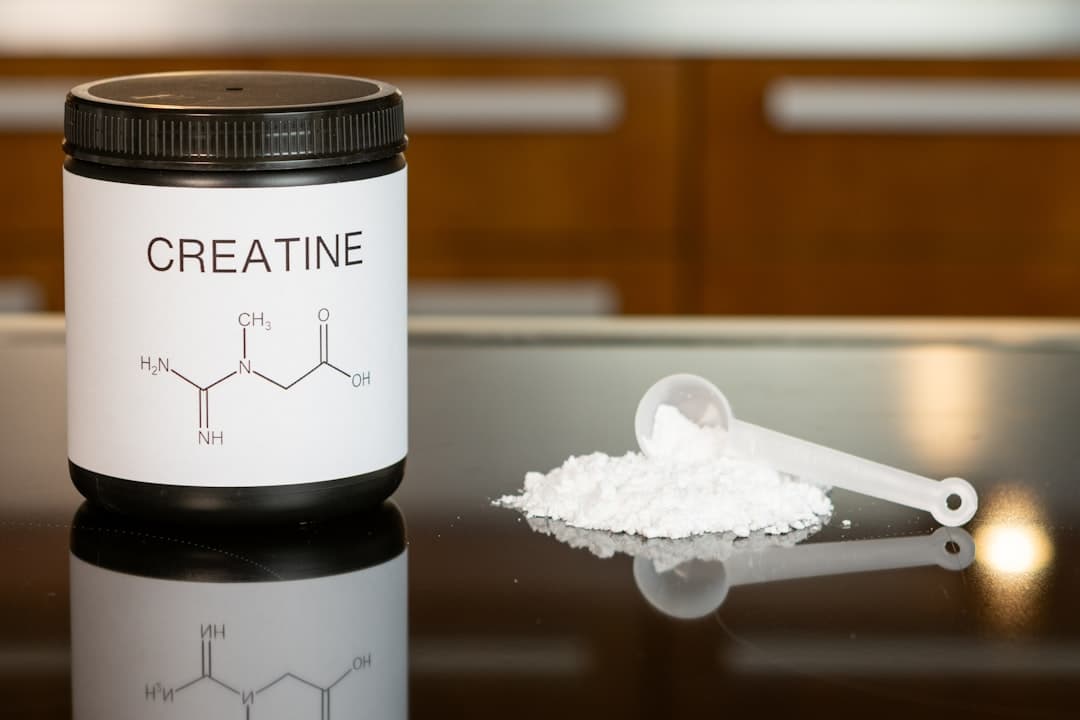
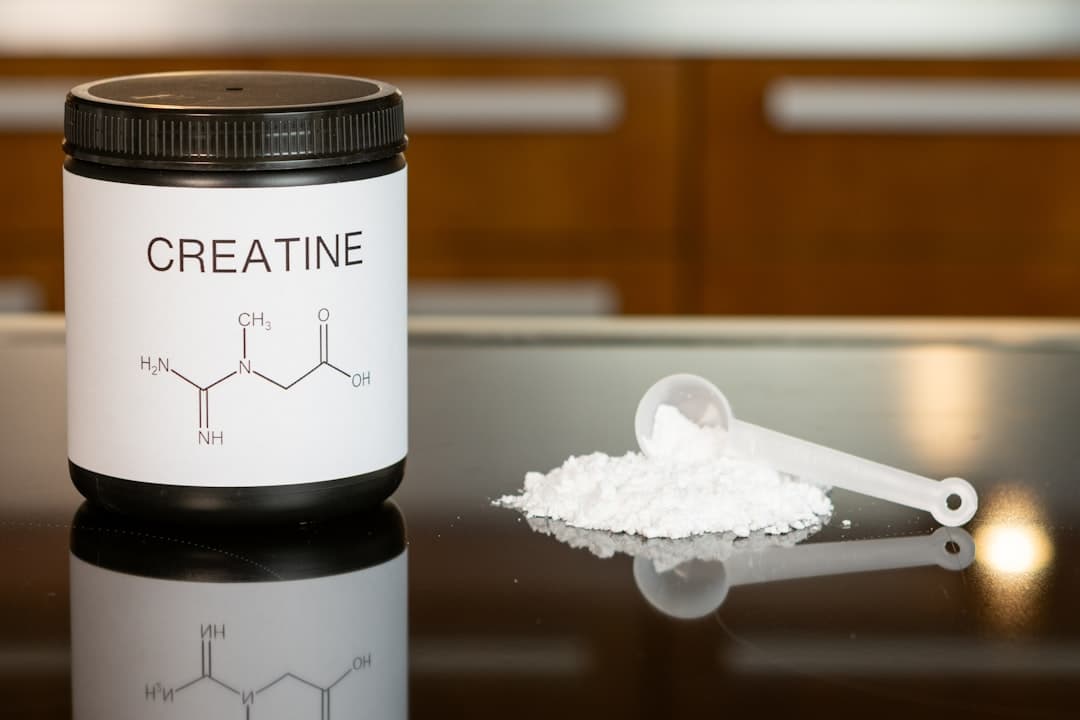
Creatine is framed as a whole-body supplement.
The video’s standout point is that creatine is not only for gym performance, it is relevant to brain, heart, muscle, and gut energy needs, especially during fast, high-demand moments. The expert describes creatine as involved in “fast energetics,” roughly the first 0 to 20 seconds of intense effort, and emphasizes its role beyond the weight room.
The dose and the routine that are actually used
This is not a “loading phase” protocol.
The routine described is 3 to 5 grams daily of creatine monohydrate, chosen for simplicity and tolerability. The expert notes it is easy to stir into coffee because it is tasteless and mixable.
A key practical detail is timing expectations: it can take about three weeks to fully saturate. In other words, it is not an instant “feel it today” supplement for most people.
What the research shows: Creatine is one of the most studied performance supplements, and reviews in active populations often find it supports strength and high-intensity performance, with growing interest in cognitive and mental health applications. See discussion in Active Women Across the LifespanTrusted Source.
The video also highlights an emerging, women-specific angle: randomized controlled trials in women suggesting creatine may help women move out of anxiety or depressive states faster when used alongside standard care. That is a nuanced claim, and it is not the same as saying creatine replaces therapy or medication. But it does show why the expert sees creatine as more than a bodybuilding staple.
Did you know? Many “cognitive health” supplement claims are not strongly supported when studied carefully, and benefits often depend on the ingredient, dose, and the person’s baseline status. A review of common supplements and cognition is summarized in Common dietary supplements for cognitive healthTrusted Source.
Collagen is for structure, not your protein tally
Collagen is where the video becomes very specific and very practical.
The expert does not personally use collagen due to being plant-based, but she still explains it because people confuse it with muscle-building protein powder. The core message: collagen is a structural protein, and it should not be treated as a replacement for complete dietary protein.
If your goal is bigger lifts and more lean mass, collagen is not positioned as the main tool.
If your goal is hair, skin, nails, and joints, collagen is the supplement discussed.
Native collagen vs collagen peptides (why the difference matters)
The video breaks collagen into two categories:
That is a more detailed distinction than most supplement conversations, and it changes expectations. It frames collagen less as “protein” and more as “structure support,” with mechanisms involving immune signaling and tissue targeting.
Here is a practical way to decide where collagen fits:
Omega-3s: a “must-have” for active women’s brains and cells
Omega-3 is treated as a foundation supplement, especially for highly active women.
The video’s reasoning is cellular: training increases oxidative stress, and omega-3s are discussed as supportive for oxidative and antioxidative status, brain health, and cellular health. It is not presented as a niche add-on, it is one of the “go-tos.”
A practical omega-3 routine is less about hype and more about consistency and product quality.
For women in midlife and beyond, omega-3s often appear in practical supplement discussions alongside vitamin D and other basics. Stanford Lifestyle Medicine’s overview includes context on common supplements and who may consider them in Top 6 Supplements for Women 40+Trusted Source.
Adaptogens for the “tired but wired” feeling: rhodiola and ashwagandha
Adaptogens are presented as a bridge between “do nothing” and “go straight to pharmaceuticals.”
That is not a claim that adaptogens are equal to prescription medications. It is a practical framing: some people want to try a plant compound that may modulate stress physiology, especially when the main complaint is feeling stressed, foggy, and stuck in high gear.
What an adaptogen is (the seaweed analogy)
The explanation in the video is memorable: seaweed changes its composition based on the environment. In darker, colder water it becomes darker and higher in protein, and closer to the surface in summer it becomes lighter with reduced protein composition.
The point is adaptation.
Certain plants that survive harsh environments (examples named include rhodiola and ashwagandha) contain compounds that may influence the human stress response system.
Rhodiola: stress modulation, estrogen and cortisol signaling
Rhodiola is described as “multi-factorial.”
The video highlights two main areas:
A very practical use case is travel. The expert uses rhodiola with jet lag to help the body settle into a parasympathetic state for sleep, supporting circadian rhythm reset.
Ashwagandha: broader stress support, with thyroid cautions
Ashwagandha is discussed as an overall stress reducer with direct effects on cortisol responses.
But the crucial detail is the thyroid connection. The video notes a contraindication for people taking thyroid medication, because ashwagandha may influence thyroid hormone sensitivity as part of its adaptogenic effect.
This is where “natural” needs extra caution.
If you have a thyroid condition, or you are being evaluated for one, it is smart to involve a clinician before experimenting.
Q: If I feel “tired but wired,” should I start rhodiola or ashwagandha first?
A: The video frames rhodiola as especially relevant when cortisol signaling feels high and you cannot downshift, including during travel and jet lag. Ashwagandha is described as broader stress support but comes with a clearer caution around thyroid medication.
If you have thyroid disease, are taking thyroid hormones, or have symptoms that have not been evaluated, it is reasonable to talk with a clinician before starting either, and to introduce only one new supplement at a time so you can track effects.
Health writer summary based on the video’s framework
Key Takeaways
Sources & References
- Active Women Across the Lifespan: Nutritional Ingredients to ...
- Top 6 Supplements for Women 40+ - Stanford Lifestyle Medicine
- Three Doses of Vitamin D and Cognitive Outcomes in Older Women
- Common dietary supplements for cognitive health - PMC
- Dietary Supplements—For Whom? The Current State of Knowledge ...
Frequently Asked Questions
- How long does creatine take to work if I take 3 to 5 grams daily?
- In the video’s routine, creatine monohydrate is taken at 3 to 5 g daily and may take about three weeks to fully saturate. Many people do not “feel” it immediately, so consistency matters more than timing.
- Can I use collagen instead of protein powder after lifting?
- The video draws a clear distinction: collagen is a structural protein aimed at joints, skin, hair, and nails, not a replacement for complete dietary protein for muscle building. If your goal is muscle protein synthesis, a whey isolate or plant-based protein powder is typically a better fit.
- Are adaptogens safe if I take thyroid medication?
- The video specifically notes a contraindication concern with ashwagandha for people using thyroid medication because it may affect thyroid hormone sensitivity. If you take thyroid meds or have thyroid disease, it is wise to check with a clinician before starting adaptogens.
- What should I look for when buying supplements in different countries?
- The video emphasizes choosing products you trust and that are clean, since regulations vary. Practically, look for third-party testing, transparent labeling, and simpler formulations over proprietary blends.
Get Evidence-Based Health Tips
Join readers getting weekly insights on health, nutrition, and wellness. No spam, ever.
No spam. Unsubscribe anytime.