10 staple foods for metabolic health, per Dr. Ekberg

Summary
Many people look fine on the outside while their lab work tells another story, rising blood sugar, A1C, insulin, and triglycerides. This article unpacks the video’s core idea: you can often shift your health trajectory by building meals around 10 unprocessed, low carb staple foods and crowding out ultra-processed foods, sugar, starch, and industrial seed oils. You will learn why each staple is included, what it may support (inflammation, gut barrier, metabolic flexibility, vascular function), and how to combine them into a simple plan you can discuss with your clinician.
Why this matters, the “healthy-looking, unhealthy labs” puzzle
A common health puzzle is this: someone looks “basically fine,” but their numbers are quietly moving in the wrong direction.
The video opens with a clinician’s story about a man in his early 50s who was only a little overweight, had a busy career, and had no major complaints. Then the lab work showed elevated blood sugar, A1C, insulin, and triglycerides. In other words, the body was already trending toward insulin resistance and cardiometabolic disease risk, even though day-to-day symptoms were not obvious.
That mismatch is the point.
This perspective argues that food is not just calories, it is information. If you repeatedly send the body the wrong signals, for example frequent sugar and starch spikes, industrially processed fats, and low nutrient density, the body adapts in ways that can show up as higher insulin, higher triglycerides, and worsening glucose control.
The practical promise in the story is also specific: a simple plan built around 10 staple foods, paired with a lower carb eating style and a shorter eating window, helped normalize labs within months. That is a strong claim, and it is not a guarantee for everyone, but it frames the rest of the video as a foundation-first approach rather than a supplement-heavy or medication-first approach.
Important: If you already have diabetes, kidney disease, a history of eating disorders, are pregnant, or take glucose-lowering medications, changing carbs and meal timing can change blood sugar quickly. Consider checking in with your clinician so adjustments can be made safely.
The unifying rule: whole, unprocessed foods that are not shelf-stable
The most important part of the video is not any single food.
It is the pattern.
Across all 10 staples, the emphasis is on unprocessed whole foods that still resemble how they appear in nature. The discussion makes a blunt point: when food is unprocessed, “all the nutrients that nature put in there are still present.” When food is heavily processed, many of those nutrients are removed, damaged, or diluted.
This framing also uses a simple, inconvenient test.
Whole foods tend not to be shelf-stable. They spoil. They require shopping, prepping, and cooking. Ultra-processed foods are engineered to last months or years, and that convenience often correlates with lower micronutrient density and higher exposure to refined starches, added sugars, and industrial fats.
Another unifying rule is low carb, in a practical sense. The video does not define a single number for everyone, but it explicitly critiques very high intakes, for example “300 grams of carbs per day is not a good idea” for many people dealing with metabolic disease risk.
Finally, the foods are chosen to be high in natural fats, fiber, and micronutrients, while being relatively low in omega-6 rich industrial seed oils.
Did you know? The Mediterranean dietary pattern, which prominently features extra virgin olive oil, is consistently associated with cardiometabolic benefits in large trials. For example, a major randomized trial found a Mediterranean diet supplemented with extra virgin olive oil or nuts reduced cardiovascular events in high-risk adults compared with a control diet (PREDIMED trial, NEJMTrusted Source).
Staple 1: Extra virgin olive oil as “liquid gold”
Extra virgin olive oil is presented as a foundation fat, not a garnish.
The argument is comparative: populations with low heart disease tend to use a lot of high-quality extra virgin olive oil, while many Western diets rely heavily on soybean oil and other industrial “vegetable oils” that are high in omega-6 fats and heavily processed.
A key mechanism highlighted is oxidative stress and inflammation. Extra virgin olive oil contains polyphenols and compounds such as oleocanthal, which may influence inflammatory pathways. In plain terms, it is not just fat, it is fat plus bioactive plant compounds.
The video also emphasizes LDL oxidation. LDL itself is not framed as “bad,” but oxidized LDL is treated as a more concerning step in atherosclerosis biology. This aligns with broader research that oxidative modification of lipoproteins is relevant to plaque development, although clinical risk is still assessed using multiple markers, not a single oxidation metric.
What the research shows: a large body of evidence supports extra virgin olive oil as a central fat in cardioprotective dietary patterns. Clinical guidance from major heart organizations also recognizes unsaturated fats, including olive oil, as preferable to saturated fat and trans fat for cardiovascular risk reduction (American Heart Association dietary fat guidanceTrusted Source).
Pro Tip: Treat extra virgin olive oil like a “default fat” for salads, vegetables, and low heat cooking. If you are trying to reduce industrial seed oils, swapping the primary cooking oil is a high-impact first step.
Staple 2: Grass-fed beef liver as a “nature multivitamin”
Liver is the most polarizing food on the list.
It is also one of the most nutrient-dense.
The framing here is straightforward: liver is “nature’s original multivitamin.” It is rich in retinol (the active form of vitamin A), B vitamins, and highly bioavailable heme iron. Those nutrients are linked in the video to mitochondrial energy production, immune function, and overall baseline cellular work.
This is also where sourcing is emphasized. Because the liver functions as a detox organ in animals, the preference is for grass-fed and preferably organic liver.
There is a practical trade-off worth stating clearly. Liver’s vitamin A content is high, and vitamin A can be harmful in excess, particularly during pregnancy. The video does not give a dosage, so the safest interpretation is that liver is a powerful nutrient tool that many people choose to eat in small, occasional servings rather than daily large portions.
Trusted nutrition references note that vitamin A has a tolerable upper intake level for adults, and excess preformed vitamin A can be toxic (NIH Office of Dietary Supplements, Vitamin ATrusted Source).
Important: If you are pregnant or may become pregnant, or if you take retinoid medications, discuss high vitamin A foods like liver with your clinician.
Staples 3 and 4: Fermented vegetables and garlic for gut and vascular signaling
These two foods share a theme: the gut is treated as a control center.
Not a side issue.
Fermented vegetables, preserving food and preserving health
Fermented vegetables are framed as an ancestral practice that turns into a modern health advantage. Fermentation cultures vegetables with bacteria, creating probiotics. The video links this to a healthier gut microbiome, a stronger gut barrier, fewer endotoxins entering the bloodstream, and potentially less inflammation and fewer allergy-type responses.
This is a gut-first model of chronic disease risk. If the gut barrier is compromised and microbial byproducts cross into circulation, the immune system can stay activated at a low level. The video repeatedly returns to this concept: gut imbalance can drive systemic inflammation.
Research on fermented foods is still evolving, but there is growing interest in how fermented foods and dietary fiber influence the microbiome and immune signaling. For an accessible overview of probiotics and what evidence exists for different conditions, see the National Center for Complementary and Integrative Health on probioticsTrusted Source.
Garlic, a flavor booster with physiologic effects
Garlic is presented as both culinary and functional.
The video highlights allicin, a compound formed when garlic is chopped or crushed, and connects it to nitric oxide signaling, vasodilation, improved circulation, and potential blood pressure support. It also frames garlic as antibacterial in a way that may help suppress pathogenic bacteria and support a healthier gut balance.
Garlic has been studied for cardiometabolic effects, including modest blood pressure impacts in some trials, though results vary by preparation and population. A broad evidence review is summarized by the NCCIH garlic overviewTrusted Source.
Q: Does garlic “thin the blood,” and is that a problem?
A: Garlic can have mild antiplatelet effects in some people, depending on the dose and form. For most healthy adults using culinary amounts, it is usually not an issue, but concentrated supplements can be a different story.
If you take anticoagulants or antiplatelet medications, or you have surgery scheduled, it is reasonable to ask your clinician or pharmacist whether you should avoid high-dose garlic supplements. Culinary garlic is often still acceptable, but individual guidance matters.
Health educator perspective, medication safety focused
Staple 5: Nuts and seeds, low net carbs, high leverage
Nuts and seeds are treated as a stabilizer food.
They are calorie-dense, but in a way that can be metabolically useful for some people because they combine fat, protein, and fiber with very low net carbs.
The video lists favorites rather than declaring a single winner: pecans, walnuts, macadamias, plus chia, flax, hemp, and pumpkin seeds. The shared logic is that these foods are widely available, affordable, and tend to be rich in minerals such as magnesium, zinc, and selenium, along with polyphenols.
One of the most practical claims is about blood sugar. When you eat nuts and seeds with other foods, digestion can slow and glucose absorption can be smoother. That can help reduce sharp spikes, especially for people who notice big swings after carbohydrate-heavy meals.
There is also a caution that feels unusually specific and practical: Brazil nuts are so rich in selenium that one to two per day may be enough, and three to four daily could push intake too high for some people.
Trusted nutrition references agree that selenium has an upper limit, and chronic excess can cause side effects (NIH Office of Dietary Supplements, SeleniumTrusted Source).
Pattern A, quick ways to use nuts and seeds without “accidentally overeating”:
A short closing thought: in this framework, nuts and seeds are not “health foods” because of a label. They are tools that fit the low carb, high nutrient density pattern.
Staple 6: Pasture-raised eggs for nutrient density and satiety
Eggs are positioned as a compact meal.
Not a side dish.
The preference is clear: pasture-raised eggs, where hens go outside, get sunshine and exercise, and eat a natural diet. The video claims that some nutrients, including essential fatty acids and vitamin D, can be several times higher than in conventional eggs.
Eggs are also defended on cost-per-meal. Even if a high-quality egg costs more, a three-egg omelet can still be a relatively affordable, protein-rich meal.
Nutrients called out include:
A nuanced point is made about protein utilization. Eating the whole egg (yolk plus white) provides a complementary amino acid profile that may improve how much of the protein is used as building material. The video then connects poor utilization to a greater chance of amino acids being converted into glucose, which could matter for people watching blood sugar.
Research on eggs is complex because outcomes depend on the overall diet pattern. Many guidelines focus on saturated fat, fiber, and overall dietary quality rather than singling out eggs as inherently harmful or inherently protective. For a mainstream overview of dietary cholesterol and how it relates to heart risk across individuals, see the Harvard T.H. Chan School of Public Health on eggsTrusted Source.
What the research shows: In many people, dietary cholesterol has a smaller effect on blood cholesterol than saturated fat intake and overall dietary pattern. Individual responses vary, so if you have familial hypercholesterolemia or significant lipid abnormalities, personalized guidance matters (Harvard Nutrition SourceTrusted Source).
Staples 7 and 8: Berries and wild-caught salmon for oxidative stress and fatty acid balance
These two staples are included for different reasons.
But they converge on inflammation control.
Berries, “nature’s candy” that stays low carb
Berries are framed as a rare sweet spot: high flavor, relatively low sugar, and high fiber. The focus is on blackberries, raspberries, and blueberries because they are described as nutrient-dense and low in carbohydrates once fiber is considered.
The video highlights polyphenols, especially anthocyanins and ellagic acid, plus vitamin C, manganese, and soluble fiber. The repeated theme returns: reduce oxidative stress, reduce LDL damage, reduce inflammatory signaling.
A practical trade-off: berries still contain sugar. For many people, the portion matters more than the food label. A bowl of berries can fit well into a lower carb pattern, while berry juices and sweetened dried berries can quickly become a sugar delivery system.
Wild-caught salmon, EPA and DHA as membrane fats
Salmon is presented as one of the richest sources of EPA and DHA, long-chain omega-3 fatty acids. The mechanism described is structural and signaling-based: these fats become part of cell membranes, influence receptor function, and can displace more pro-inflammatory omega-6 fats.
This is where the video makes a strong comparative claim: improving omega-6 to omega-3 balance is helpful, but it may be even more important to reduce omega-6 intake from fried foods and soybean-oil-based dressings than to simply add omega-3 on top of a high omega-6 diet.
The discussion also links healthier cell membranes to better insulin receptor function, which is a mechanistic way of describing improved insulin sensitivity.
For evidence-based guidance on fish intake and omega-3s, the American Heart Association recommendation on fishTrusted Source summarizes why fatty fish is commonly recommended for heart health.
Standalone statistic: Many adults do not eat seafood regularly, and average omega-3 intake is often below recommended levels, which is one reason guidelines emphasize fatty fish a couple of times per week (AHA fish guidanceTrusted Source).
Staples 9 and 10: Avocados plus non-starchy vegetables and leafy greens
Plant foods can be low carb.
That is the point of these two staples.
Avocados, a “perfect plant food” in this framework
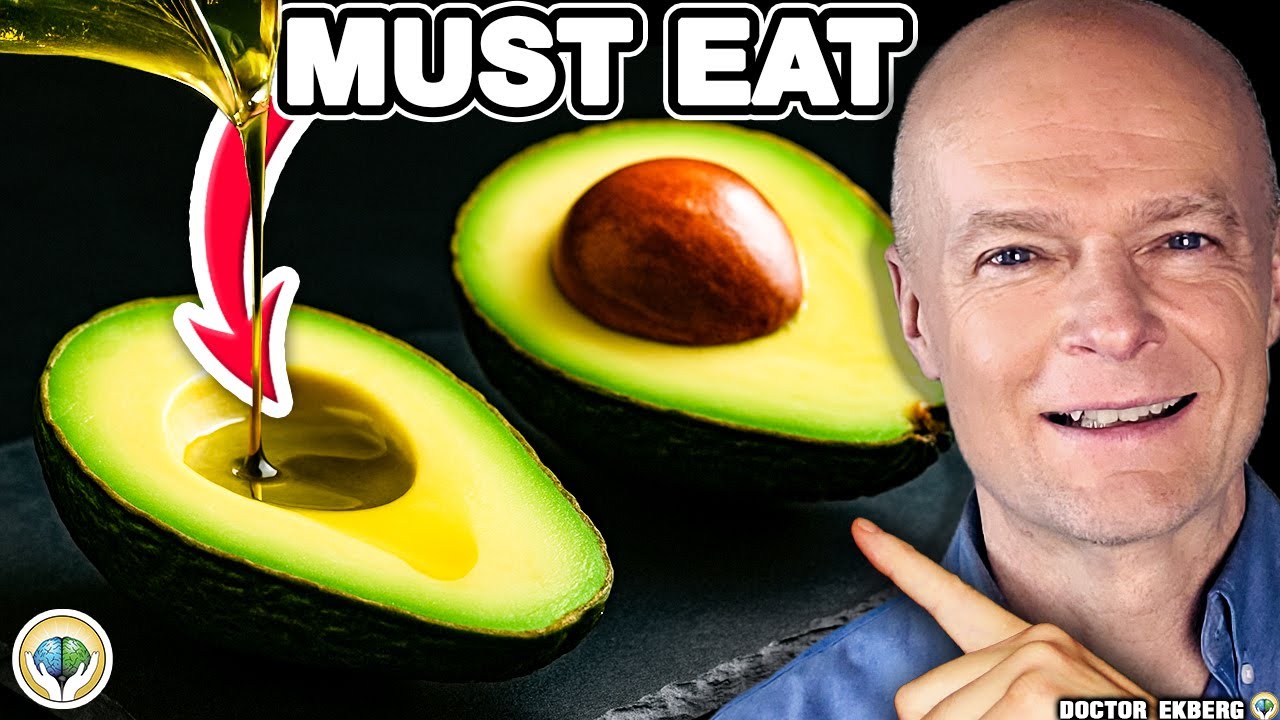
Avocado is described as unusually satisfying for a plant food, creamy, rich, and closer to animal foods in satiety. The major fat is oleic acid, the same dominant monounsaturated fat found in olive oil.
The video ties avocado to reduced inflammatory signaling, high potassium for cardiovascular support, and a surprisingly high fiber content. A specific number is given: about 7 grams of fiber per 100 grams, which helps explain why total carbs can look higher than net carbs.
The fiber is described as soluble, meaning it absorbs water and can form a gel. Mechanistically, that may slow glucose absorption and smooth post-meal insulin spikes.
A useful comparison is made: oats are often praised for soluble fiber, but avocado is positioned as an even stronger soluble fiber source, without the starch load that comes with oats.
Non-starchy vegetables and leafy greens, “carbs” that behave differently
This is where the video pushes back on a common misunderstanding.
Yes, vegetables contain carbohydrates. But the argument is that the problematic carbs are sugar and starch, not fiber-rich vegetables that digest slowly and come packaged with water, micronutrients, and phytonutrients.
The video calls these foods “nature’s multivitamin,” emphasizing polyphenols, phytonutrients that support the gut microbiome, and natural antioxidants that fit the body’s balance.
A notable viewpoint is the skepticism toward high-dose antioxidant pills. The reasoning is biochemical: oxidation is part of energy production, and excessive supplemental antioxidants could, in theory, interfere with normal signaling or energy metabolism. Foods, in contrast, deliver antioxidants in amounts that are less likely to overwhelm physiology.
The final claim for vegetables and leafy greens is liver support. The video describes plant compounds that assist liver detox pathways, helping transform fat-soluble toxins into water-soluble compounds the body can excrete.
»MORE: If you want a simple “non-starchy vegetables starter list,” build around leafy greens, cruciferous vegetables (broccoli, cauliflower, cabbage), zucchini, cucumbers, asparagus, mushrooms, peppers, and green beans. Then rotate types weekly for variety in fiber and phytonutrients.
How to build a simple plan with these 10 staples
The story at the start is not about perfection.
It is about a foundation.
This approach uses 10 foods as default building blocks, then layers in two additional levers: lower carbohydrate intake and a shorter eating window. The video does not specify an exact fasting schedule, so the safest way to interpret “shorter eating window” is simply fewer hours per day spent eating, tailored to the person’s medical context.
Pattern E, a practical step-by-step you can adapt:
Pick your default fats and remove the competing oils. Make extra virgin olive oil and avocado your go-to fats. Then check labels for soybean, corn, canola, safflower, sunflower, and “vegetable oil,” especially in dressings, mayo, fried foods, and packaged snacks.
Anchor meals with protein and natural fat. Use pasture-raised eggs, salmon, and, if you eat it, occasional liver as nutrient-dense anchors. This tends to increase satiety, which can make a shorter eating window feel more natural rather than forced.
Add fiber and fermentation daily. Include non-starchy vegetables and leafy greens at most meals, plus fermented vegetables when tolerated. Use garlic as a frequent seasoning, not a rare supplement.
Use berries and nuts strategically. Keep berries as the primary “sweet” food, and use nuts and seeds as measured add-ons for crunch and minerals. If you use Brazil nuts, remember the one to two per day idea.
Pattern A, sample combinations (not a prescription, just a template):
A punchy reality check: none of this works well if ultra-processed foods stay in the background.
The video’s core claim is that these foods help partly because they replace the “garbage food,” the sugar, starch, and omega-6 heavy seed oils that drive inflammation and metabolic dysfunction.
Q: Do I need to eat all 10 foods every day to get benefits?
A: Not necessarily. The practical intent is to create a short list of staples that are easy to shop for and repeat, so your default choices are consistently nutrient-dense and low in added sugars and refined starch.
Many people do better by choosing a few staples they genuinely enjoy, for example olive oil, eggs, leafy greens, salmon, and berries, then rotating the others weekly. Consistency beats novelty when you are trying to change lab trends.
Nutrition-focused clinician style explanation
Key Takeaways
Frequently Asked Questions
- Is extra virgin olive oil better than “vegetable oils” for heart health?
- This video’s framework favors extra virgin olive oil because it is minimally processed and contains polyphenols, while many common vegetable oils are industrially refined and high in omega-6 fats. Large trials of Mediterranean-style diets also support cardiovascular benefits when olive oil is a primary fat source.
- How many Brazil nuts should I eat for selenium?
- The video suggests one to two Brazil nuts per day can be enough to exceed the daily requirement without pushing toward excess. Because selenium can be harmful in high chronic doses, it is reasonable to avoid eating large handfuls daily.
- Are berries okay on a low carb eating style?
- In this approach, berries like raspberries, blackberries, and blueberries are favored because they are relatively low in sugar and high in fiber compared with many fruits. Portion still matters, especially if you are monitoring blood sugar.
- Do fermented vegetables replace probiotic supplements?
- Fermented vegetables can add live microbes and fermentation byproducts to the diet, which may support gut health for some people. Whether they replace a supplement depends on the person, the product, and the reason for using probiotics, it can be worth discussing with a clinician if you have GI conditions.
- Are eggs safe if I have high cholesterol?
- Eggs affect people differently, and overall diet pattern often matters more than one food. If you have significant lipid abnormalities or a strong family history, it is sensible to review egg intake and follow-up labs with your clinician.
Get Evidence-Based Health Tips
Join readers getting weekly insights on health, nutrition, and wellness. No spam, ever.
No spam. Unsubscribe anytime.