Vitamin D with blood thinners: Is it safe?

Summary
Vitamin D is generally considered safe to take with most blood thinners at typical supplement doses, and it does not act like vitamin K. The main concerns are taking very high doses without monitoring and confusing vitamin D products with vitamin K containing supplements. Check with your prescriber or pharmacist, especially if you take warfarin or have kidney or parathyroid conditions.
The Short Answer
For many people, vitamin D and blood thinners can be used together without problems. Vitamin D does not have the same direct clotting pathway effect as vitamin K, which is the nutrient most closely tied to warfarin dosing.
That said, “safe together” depends on the type of blood thinner, your reason for taking it, and how much vitamin D you use. Most guidelines suggest sticking to generally recommended daily amounts unless a clinician has checked your blood level and advised a higher dose.
Important: Some “bone health” products bundle vitamin D with vitamin K (often K2). If you take warfarin, adding vitamin K can change your INR and may require a dose adjustment. Do not start a combined product without your anticoagulation clinician’s input.
Why blood thinner type matters
Not all blood thinners behave the same way.
Warfarin works by interfering with vitamin K dependent clotting factors. Because of that, changes in vitamin K intake can make warfarin stronger or weaker, which is why INR monitoring matters. Vitamin D is different, but it is often sold alongside vitamin K, which is where people get tripped up.
Direct oral anticoagulants (often called DOACs, such as apixaban, rivaroxaban, dabigatran, edoxaban) do not rely on vitamin K pathways. With these medications, vitamin D is less likely to create a medication specific issue, but high dose supplementation can still cause side effects that complicate your overall health.
Heparin products and low molecular weight heparins are another category. Long term use can affect bone health in some people, so clinicians sometimes pay closer attention to calcium and vitamin D status. That does not mean you should self start high doses, it means your care team may be more likely to monitor.
When to be cautious (or avoid self supplementing)
A standard multivitamin or modest vitamin D supplement is often fine. The risk rises when your medical situation makes vitamin D behave less predictably.
Be especially cautious if any of the following apply:
If you are also working on cardiovascular risk factors, your clinician may monitor markers like C-reactive protein (CRP) or lipids such as Lipoprotein(a). Those tests do not determine whether vitamin D is safe with your anticoagulant, but they can shape the bigger prevention plan.
Dosing and product choices that reduce risk
Most guidelines suggest aiming for a generally recommended daily intake and reserving higher doses for people with documented deficiency or a clinician guided plan. If you already take a multivitamin, a calcium supplement, or a “bone strength” product, you may be getting more vitamin D than you think.
A few practical ways to lower the chance of problems:
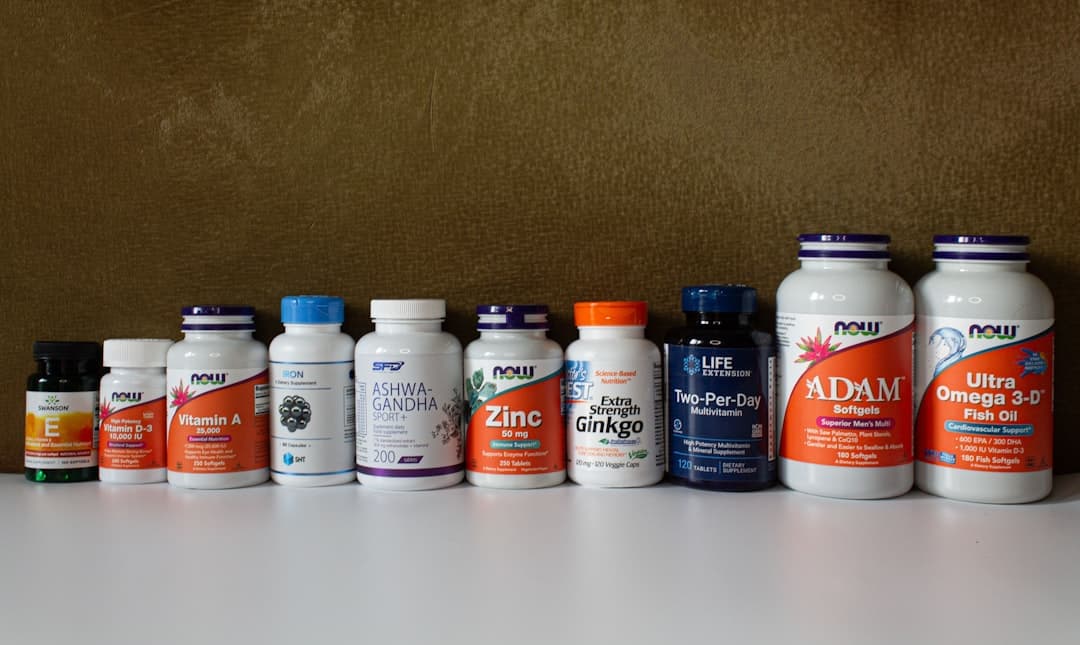
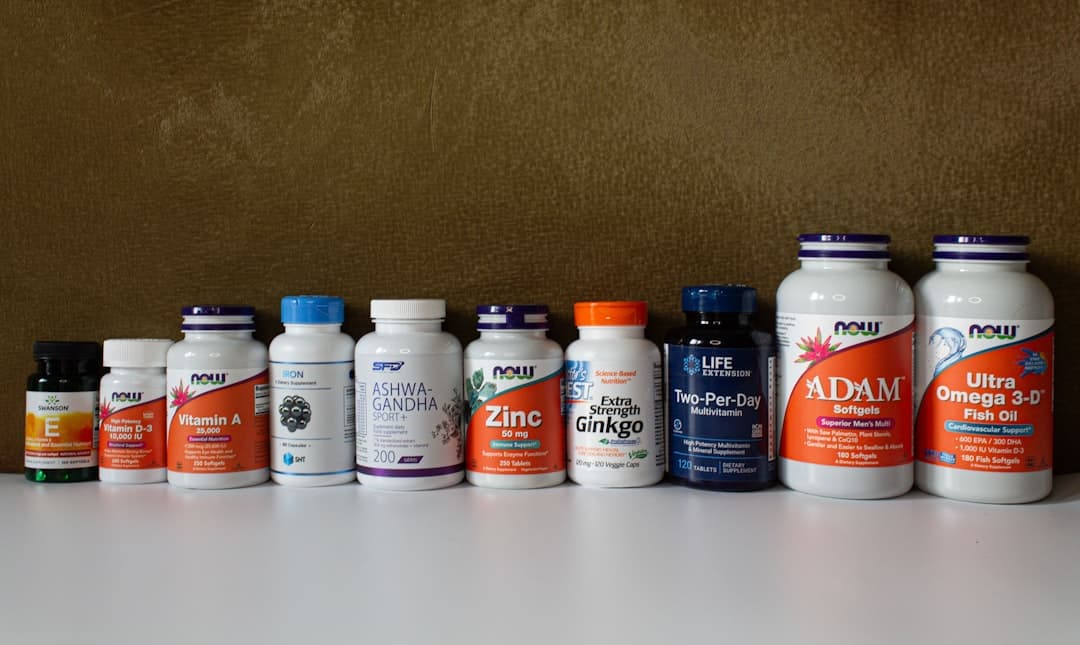
Pro Tip: Bring every supplement bottle to appointments, or take clear photos of the front label and the “Supplement Facts” panel. For warfarin users, this is often more helpful than trying to remember brand names.
Lifestyle matters here too. A Healthy Method approach that includes food sources of vitamin D, safe sun exposure when appropriate, and resistance training can support bone health without relying solely on higher dose pills. If you train, good Exercise Technique and appropriate Loading Demands can reduce fall and fracture risk, which is particularly important for people on anticoagulants.
When to stop and contact your clinician
Call your prescriber, anticoagulation clinic, or pharmacist promptly if you start vitamin D and notice unexpected changes, or if you think you may have taken too much.
Seek medical advice urgently if you have:
If you are on warfarin and you changed supplements, ask whether you need an extra INR check. Many clinics prefer earlier monitoring after any change in pills, diet, or health status.
Key takeaways for safer use
For most people, the safest next step is simple: confirm the exact blood thinner you take, read the supplement label for vitamin K and extra ingredients, and run the plan by your pharmacist or prescribing clinician.
Frequently Asked Questions
- Does vitamin D increase bleeding risk on its own?
- Vitamin D is not typically considered a supplement that directly increases bleeding the way some herbs or high dose fish oil might. The bigger concern is indirect issues, like accidentally taking a product that also contains vitamin K (relevant for warfarin) or developing high calcium from excessive dosing.
- Can I take vitamin D and calcium together if I am on anticoagulants?
- Many people can, but it is worth checking the full ingredient list and your medical history first. Calcium plus vitamin D can raise calcium levels in susceptible people, and some combination products include vitamin K or other additives, so your clinician or pharmacist should confirm what fits your situation.
- If I take warfarin, do I need an INR check after starting vitamin D?
- Often, clinicians focus INR checks on changes in vitamin K intake, illness, antibiotics, and medication changes. Still, if you started any new supplement, especially a multi ingredient “bone” product, it is reasonable to ask your anticoagulation clinic whether they want an earlier INR.
- Are sun exposure and vitamin D fortified foods safer than supplements with blood thinners?
- Food sources and sensible sun exposure can be a lower risk way to support vitamin D status because they avoid high dose spikes and reduce the chance of ingredient mix ups. Even so, if you have a condition that affects calcium balance or vitamin D metabolism, your clinician may still recommend monitoring and a tailored plan.
Get Evidence-Based Health Tips
Join readers getting weekly insights on health, nutrition, and wellness. No spam, ever.
No spam. Unsubscribe anytime.