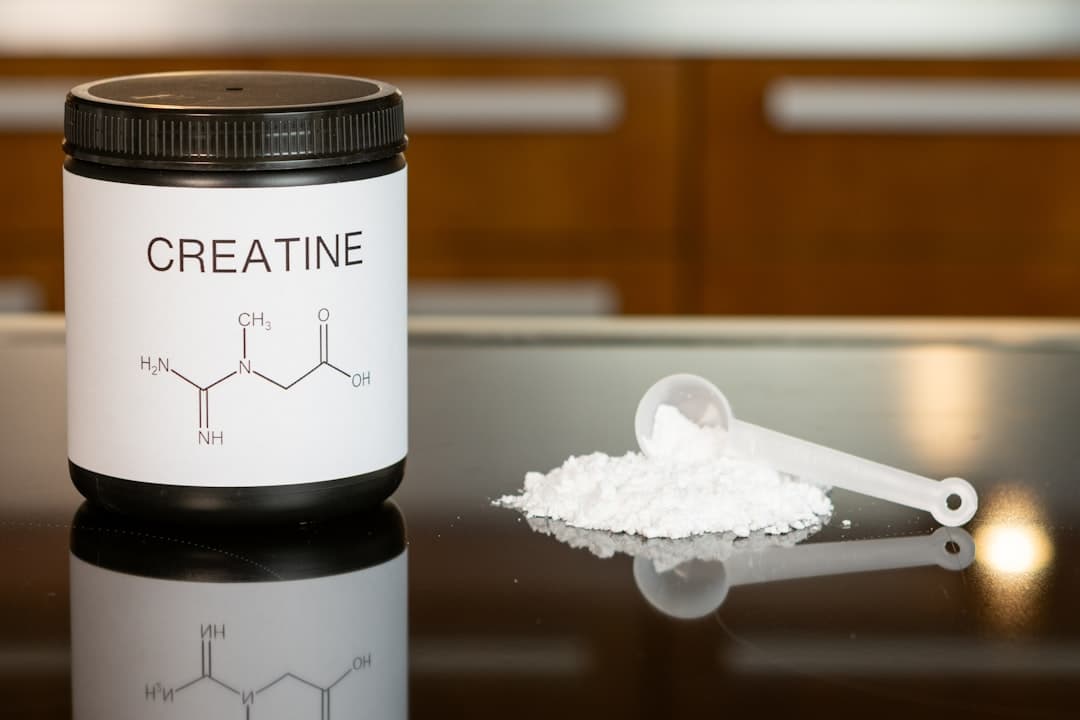
The Creatine Mistake: Timing, Form, Electrolytes

Summary
The biggest creatine mistake in this video is treating it like a generic, one-size-fits-all powder, then dry scooping it after training and wondering why results or stomach comfort are inconsistent. The approach here is practical: stick with creatine monohydrate, use timing that matches your goal (often before or during training), and pair creatine with electrolytes to support absorption and cellular uptake. The video also highlights context-specific dosing, including higher short-term doses (around 20 g/day) when sleep deprived or dealing with jet lag, and potentially different needs for long-term vegans or vegetarians.
🎯 Key Takeaways
- ✓Creatine monohydrate is the default choice here because it is well studied and performed similarly to creatine HCl in a recent resistance training comparison.
- ✓A common mistake is dry scooping creatine post workout, this perspective favors taking it before or during training to support high-energy demands.
- ✓Pairing creatine with electrolytes (sodium, potassium, magnesium, chloride, and others) may improve GI tolerance and cellular uptake via electrolyte-dependent transport.
- ✓Dosing is context dependent, higher short-term intake (for example 20 g/day) may be used in research settings for sleep deprivation or jet lag, while many people use 3 to 5 g/day for training support.
- ✓People with low dietary creatine intake (long-term vegans or vegetarians) may respond differently and may consider a loading phase with clinician guidance.
Creatine works best when you stop treating it like a generic powder and start matching the form, timing, and dosing to your goal.
That is the core fix in this video: most people focus on the brand name or a trendy form, then take it at a random time (often dry scooped after training), and miss the practical details that can affect performance, hydration, and stomach comfort.
The real creatine mistake, treating it like a one-size supplement
Creatine is popular partly because it is simple, but the discussion here argues that people oversimplify it.
The key idea is not that creatine “does not work” if you take it later in the day. It is that creatine has specific jobs, supporting rapid energy production in high-demand tissues, and influencing cellular hydration, so timing and co-factors (like electrolytes) can matter in real-world use.
A second mistake is assuming the same dose and strategy should apply to every situation. This perspective separates at least three use cases:
That matters because the video frames creatine as more than a gym supplement. It is discussed as a tool that may support brain function under stress, and as something that interacts with fluid balance.
Pro Tip: If creatine has ever “bothered your stomach,” do not assume you need a different form right away. First, try taking it with fluid and electrolytes rather than dry scooping it on an empty stomach.
Which creatine form, monohydrate vs HCl and the marketing noise
The creatine aisle is crowded: monohydrate, hydrochloride (HCl), Kre-Alkalyn, and other blends.
The practical conclusion in this video is blunt: creatine monohydrate is the default choice because it is widely studied, has a long safety record in healthy people, and performs well for strength and performance. The speaker also mentions personally using monohydrate since 1999, and emphasizes familiarity with supplier quality data from years in supplement manufacturing.
What the research comparison suggests
A recent study discussed in the video compared creatine HCl versus monohydrate alongside resistance training, using equal amounts, and found no meaningful between-group differences in outcomes like strength and body composition.
What the research shows: Large evidence reviews consistently find that creatine supplementation improves high-intensity exercise capacity and lean mass gains during training, with creatine monohydrate as the most studied form. One widely cited position stand is the International Society of Sports Nutrition (ISSN) position stand on creatineTrusted Source.
So why do people think HCl is “better?” The video’s answer is not that HCl is magic, it is that GI side effects often show up when people do high-dose loading phases of monohydrate, especially when it is not paired with electrolytes and fluids.
That is an important nuance. If the problem is tolerance and absorption conditions, swapping forms may not address the real issue.
Important: If you have kidney disease, are pregnant, are breastfeeding, or take medications that affect kidney function, talk with a clinician before starting higher-dose creatine strategies. Even though creatine is widely used, your situation may require individualized guidance.
Why electrolytes can change the creatine experience
This is the most distinctive, “insider-practical” lens in the video: electrolytes are framed as a lever for creatine uptake and tolerance, not just a hydration add-on.
Creatine does not simply drift into muscle and brain cells. The discussion highlights a creatine transporter that depends on electrolyte balance. Specific electrolytes and related nutrients mentioned include sodium, potassium, chloride, magnesium, calcium, and taurine.
In plain terms, the argument is that if transport and cellular uptake depend on electrolytes, then pairing creatine with electrolytes may:
This is also used to explain why some people get diarrhea during loading phases. Large amounts of creatine sitting in the gut can pull water into the intestines for some users, and poor absorption conditions can make that more likely.
A practical workaround suggested here is not complicated: consider micronized creatine monohydrate, and consider taking creatine with electrolytes and adequate fluid.
A mostly-bullets section: how to pair creatine with electrolytes in real life
If you want the simplest way to apply the video’s strategy, focus on these patterns.
Take creatine with a full glass of water, not dry. Dry scooping may be convenient, but it can make GI comfort worse for some people and does not align with the “support hydration and uptake” framing.
Include sodium and potassium when you can. Many electrolyte mixes include both, and they are central to fluid balance. If you train hard or sweat heavily, this pairing may be especially relevant.
Do not ignore magnesium. The video repeatedly mentions magnesium as part of the electrolyte picture for uptake. If you use a magnesium supplement, discuss dose and form with a clinician, especially if you have GI sensitivity.
Consider taurine as a supporting player. Taurine is mentioned as one of the compounds shown to influence uptake in the discussion. Not everyone needs it, but it is commonly included in electrolyte formulas.
Use this approach during loading phases or heat exposure first. If you tolerate creatine well at 3 to 5 g/day, you may not notice a dramatic difference. The biggest payoff may be when people push doses higher or sweat more.
Short version: if creatine has felt “hit or miss,” the video’s fix is to treat electrolytes as part of the creatine system.
Did you know? Creatine is one of the most studied sports supplements, and evidence reviews generally support benefits for repeated bouts of high-intensity exercise and strength gains when combined with training, as summarized by the ISSN position standTrusted Source.
Timing and dosing, match creatine to the job you need done
This perspective is no-nonsense about timing: if you want creatine to support performance in energy-demanding training, taking it before or during the session makes more intuitive sense than taking it afterward.
The speaker specifically calls out the common habit of dry scooping creatine post workout and says it “doesn’t make a lot of sense” when the goal is to increase phosphocreatine availability during the work.
Training and performance: a practical baseline
For many people focused on muscle and performance, common daily intakes are 3 to 5 grams per day of creatine monohydrate, often without a loading phase. Evidence-based guidance frequently supports this range for maintaining muscle creatine stores after saturation, as described in the ISSN position standTrusted Source.
Timing is where the video pushes harder than typical advice. The framing is:
This is also where the “cellular hydration” point comes in. Creatine is described as drawing water into cells, which is one reason some people see scale weight increase early on. In this framing, that intracellular water shift is not a problem, it is part of how creatine supports performance.
Heat, sauna, and hard sweating
If you train in the heat or use a sauna, the video argues it can make sense to take creatine beforehand because you are combining two stressors:
That does not mean creatine replaces hydration. It means the supplement choice should align with the environment.
Resource callout: »MORE: Create your own “training day mix” checklist: creatine dose, water amount, electrolyte source, and your workout start time. Keeping it written down for two weeks often reveals what actually improves consistency.
Who may need a different plan, vegans, heat, sleep loss, and more
The most unique part of the video is that it treats creatine dosing as situational. Two people can take the same supplement and need different strategies.
Sleep deprivation and jet lag: higher short-term dosing
The discussion highlights research where sleep-deprived individuals were given higher doses, around 20 grams per day, and showed improvements in cognitive reserve and aspects of brain function under sleep loss.
A personal example is also given: after a poor night of sleep (about 5 hours), the speaker used three doses of 5 grams (total 15 grams) before filming and felt it helped.
This is not a recommendation for everyone to copy. It is a use case: creatine is framed as a “brain energy support” tool during short-term sleep disruption.
Q: Should I take 15 to 20 grams of creatine when I sleep badly?
A: Higher doses like 20 g/day show up in some sleep deprivation research contexts, but that does not mean it is appropriate for everyone. If you want to experiment, consider discussing it with a clinician first, especially if you have GI issues, kidney concerns, or take medications that affect fluid balance.
Jordan Lee, RD (Registered Dietitian)
Vegans and vegetarians: different starting point
Another practical nuance: long-term vegans and vegetarians may start with lower baseline creatine stores because plant foods contain essentially no creatine. The video suggests this group, and especially women in that group, may benefit from higher initial dosing or a loading phase compared with omnivores.
That aligns with the broader understanding that dietary creatine intake differs by diet pattern, and that baseline stores influence how dramatic supplementation feels.
Mental health support: adjunctive use
The video also mentions “pretty good research” suggesting creatine may be helpful when used alongside psychotherapy approaches (like cognitive behavioral therapy) for some mental health concerns.
The dose range mentioned is 5 to 10 grams per day.
It is important to keep this in the right box: creatine is not positioned as a stand-alone treatment. It is framed as a potential support tool. If you are dealing with anxiety, depression, or other mental health symptoms, it is worth involving a qualified clinician.
Pregnancy, lactation, and kids: a caution-and-quality conversation
The discussion notes that pregnancy is energetically demanding, and that creatine metabolism changes during pregnancy. It also mentions that children, pregnant women, and lactating women may benefit from creatine.
This is exactly where medical guidance matters most. The safety conversation in pregnancy and childhood is different than in healthy adult athletes.
The speaker also raises a quality point: choosing a highly purified creatine source, and being cautious about variability in purity and potency across suppliers.
Q: Does creatine quality actually matter?
A: Quality can matter because supplements can vary in purity, contaminants, and labeling accuracy. Look for third-party testing and transparent sourcing, and consider choosing products that follow recognized quality standards.
Amina Patel, PharmD (Doctor of Pharmacy)
Key Takeaways
Frequently Asked Questions
- Is creatine HCl better than creatine monohydrate?
- This video points to a recent resistance training comparison where equal doses of creatine HCl and monohydrate produced no meaningful differences. Monohydrate is also the most studied form, which is why many experts still treat it as the default choice.
- Should I take creatine before or after my workout?
- The video’s practical view is that taking creatine before or during training makes more sense when your goal is performance during high-intensity work. If you take it after, you may still build muscle creatine over time, but the timing may not match the intended use described here.
- Why does creatine upset my stomach?
- GI side effects are more common with higher doses, especially loading phases, and may be worse when creatine is taken on an empty stomach or without enough fluid. The video emphasizes pairing creatine with electrolytes and water to support absorption and tolerance.
- Do vegans and vegetarians need a different creatine dose?
- The video suggests long-term vegans and vegetarians may start with lower creatine stores because plant foods contain essentially no creatine. That can mean they respond differently, and they may consider a higher initial dose or loading approach with clinician guidance.
Get Evidence-Based Health Tips
Join readers getting weekly insights on health, nutrition, and wellness. No spam, ever.
No spam. Unsubscribe anytime.