How to Lose 10 Pounds Without Starving or Living in the Gym
Summary
Trying to lose 10 pounds can feel like a puzzle, especially when you do not want to starve or spend hours at the gym. This video’s approach is refreshingly practical: start with a strong “why,” build a lifeline for tough days, then use a real monitoring system so you can adjust based on data, not emotions. The core habits are simple but specific: weigh daily and use weekly averages, track waist and hips, eat protein first and fiber second, stop eating a few hours before bed, increase daily steps, protect sleep, and add tiny “exercise snacks” after meals.
🎯 Key Takeaways
- ✓Make your “why” bigger than the inconvenience, and set up a lifeline (coach, friend, partner) for the moments you feel off track.
- ✓Use a monitoring system: daily morning weigh-ins (weekly average), plus weekly waist and hip measurements to confirm you are losing fat, not just weight.
- ✓Prioritize protein first and fiber second at meals to support satiety, steadier blood sugar, and easier adherence.
- ✓Raise daily movement (NEAT) to at least 8,000 steps, then build toward 10,000 to 12,000, because this can strongly influence total daily energy burn.
- ✓Protect sleep and avoid late-night eating, because poor sleep and late meals can make hunger and blood sugar control harder the next day.
- ✓Add 1 to 2 minute “exercise snacks” after meals to improve how your body uses the carbs you just ate.
The real first step: your “why” (and a lifeline)
“Why can’t I just lose 10 pounds without turning my life upside down?”
That question is exactly the point of this approach. The framing here is simple: losing 10 pounds is not about suffering, it is about building a system that survives real life.
The first move is not a meal plan or a workout plan. It is your why.
This perspective argues that your reason for losing 10 pounds has to be bigger than the hassle of tracking food, skipping late-night snacks, or getting your steps in when you are tired. Challenges will show up. Work deadlines, travel, family stress, and “I just do not feel like it” days are guaranteed. A clear vision of what changes when you lose the 10 pounds is what keeps you from quitting when the plan stops being convenient.
Make your “why” specific enough to pull you forward
A vague why, like “I want to look better,” tends to lose to a cookie at 9 pm.
A stronger why is specific and personal: “I want my energy back in the afternoons,” “I want my knees to hurt less when I walk stairs,” “I want to feel confident in photos,” or “I want to improve my blood sugar numbers at my next checkup.” Weight loss is often tied to overall wellbeing, not just appearance.
Then add a lifeline.
The video’s unique emphasis is that you should plan for the moment you start to slide. A lifeline can be a coach, a friend, a partner, or anyone you trust enough to say, “I think I’m going off the rails.” The point is not perfection, it is fast course-correction.
Pro Tip: Write your “why” on a note you will actually see, like your phone lock screen or a sticky note on the pantry. If it is not visible, it is not real when cravings hit.
Know your starting point, then measure what matters
A lot of people try to “eat better” and “work out more” with no feedback loop.
This approach treats fat loss like using GPS. You need a starting point, and you need a way to monitor whether you are moving toward the destination.
Daily weigh-ins, done one way only
The method here is specific: weigh yourself every day, but only in the morning, and only once.
The recommended routine is: wake up, use the bathroom, walk around briefly, then step on the scale. Do not weigh yourself repeatedly throughout the day. Weight can swing due to hydration, constipation, and normal fluid shifts, so random weigh-ins often create anxiety, not insight.
What matters is the weekly average. One day up, one day down is normal. Decisions are made based on trends.
Why a bioimpedance scale is part of the system
Instead of using any scale, the video recommends a bioimpedance scale that syncs to an app and estimates fat mass, fat-free mass, and total body water.
The key insight is not that these devices are perfect. It is that they can create a consistent data stream. The goal is to see weight trending down while total body water stays steady or rises, which is used here as a practical sign you may be holding onto muscle while losing fat.
Important nuance: bioimpedance measurements can be affected by hydration, recent exercise, and food intake. Even so, using the same routine at the same time of day can make the trends more useful.
Important: If you have a pacemaker or implanted medical device, ask your clinician before using a bioimpedance scale. Some devices use a small electrical current.
Weekly tape measurements: the “are you actually losing fat?” check
This strategy does not stop at the scale. Once per week, measure:
This is also where the video gets very practical: a Bluetooth tape measure can log measurements automatically so you can see progress even when it feels slow.
Did you know? A waist-to-height ratio of about 0.5 is commonly used as a simple indicator of central fat risk in population research, and it can sometimes flag risk even when BMI is less informative. You can learn more about how clinicians use waist measures from the CDC’s guidance on assessing overweight and obesityTrusted Source.
Set expectations: 10 pounds done well is not instant
Body recomposition can feel like watching grass grow.
The video’s pace target is 0.5% to 1% of body weight per week. For someone at 150 pounds, that is about 0.75 to 1.5 pounds per week, so 10 pounds may take roughly 2 months when done in a way that protects muscle.
This matters for wellbeing because rapid weight loss often increases fatigue, hunger, and the odds of rebound weight gain.
Eat like fat loss is a behavior problem, not a math problem
The food strategy starts with your environment.
Before debating macros, the approach asks: what foods make you lose control?
Get the “enemy” out of the house
The video calls out trigger foods, even when they are technically “healthy.” Nuts are a great example. They can be nutrient-dense, but also easy to overeat. The same goes for nut butters.
This is not about labeling foods as bad. It is about reducing friction.
If a food reliably turns into overeating, the simplest sports-nutrition style solution is to stop keeping it at arm’s reach. You can still choose to eat it, but you choose it intentionally, not impulsively.
Here are a few ways to do that without making your home feel restrictive:
Shorter decision chains often beat stronger willpower.
»MORE: If you want a simple one-page tracker, create a “Trigger Foods and Swaps” list. Column 1 is the food that derails you, column 2 is a satisfying alternative you can keep at home.
Stock your kitchen for the plan you want to follow
The video’s grocery list centers on clean protein sources and great fiber sources.
Protein examples mentioned include grass-fed and finished beef, Greek-style yogurt, eggs, protein powder, pastured chicken and pork, and wild seafood.
Fiber examples include non-starchy vegetables (like onions, mushrooms, asparagus, brussels sprouts), legumes (like lentils), and berries.
The bigger idea is that you should not “wing it” when you are hungry. If your fridge is mostly snack foods and random condiments, your choices will match.
Protein first, fiber second: the “not hungry” advantage
If you are hungry, all bets are off.
That line captures the heart of the nutrition strategy: engineer meals so hunger is not running your day.
Why protein is the first lever
This approach prioritizes protein first because it tends to be the most filling macronutrient. Higher protein intake can support fat loss by increasing satiety and helping preserve lean mass during calorie reduction.
The video also highlights protein’s thermic effect, meaning your body uses more energy to digest and process it. This is often called the thermic effect of food.
What the research shows: The thermic effect is higher for protein than for carbs and fat, which may slightly increase daily energy expenditure. For a detailed overview of energy balance components, see the National Institutes of Health discussion of energy intake and expenditureTrusted Source.
A practical takeaway from the video is that shifting some calories from fats and refined carbs toward protein can make weight loss easier, partly because you feel fuller and partly because digestion costs more energy.
Why fiber is the second lever
Next comes fiber second, especially from non-starchy vegetables, berries, and legumes.
Fiber can slow stomach emptying, support steadier blood sugar after meals, and help you stay satisfied between meals. It also feeds your gut microbiome, which the video frames as a meaningful player in weight regulation.
The microbiome angle is nuanced, but the practical behavior is straightforward: eat more fiber-rich whole foods. Many people fall short of recommended fiber intake, and improving it can support digestive health and cardiometabolic markers. The American Heart AssociationTrusted Source explains how dietary fiber supports heart health and cholesterol.
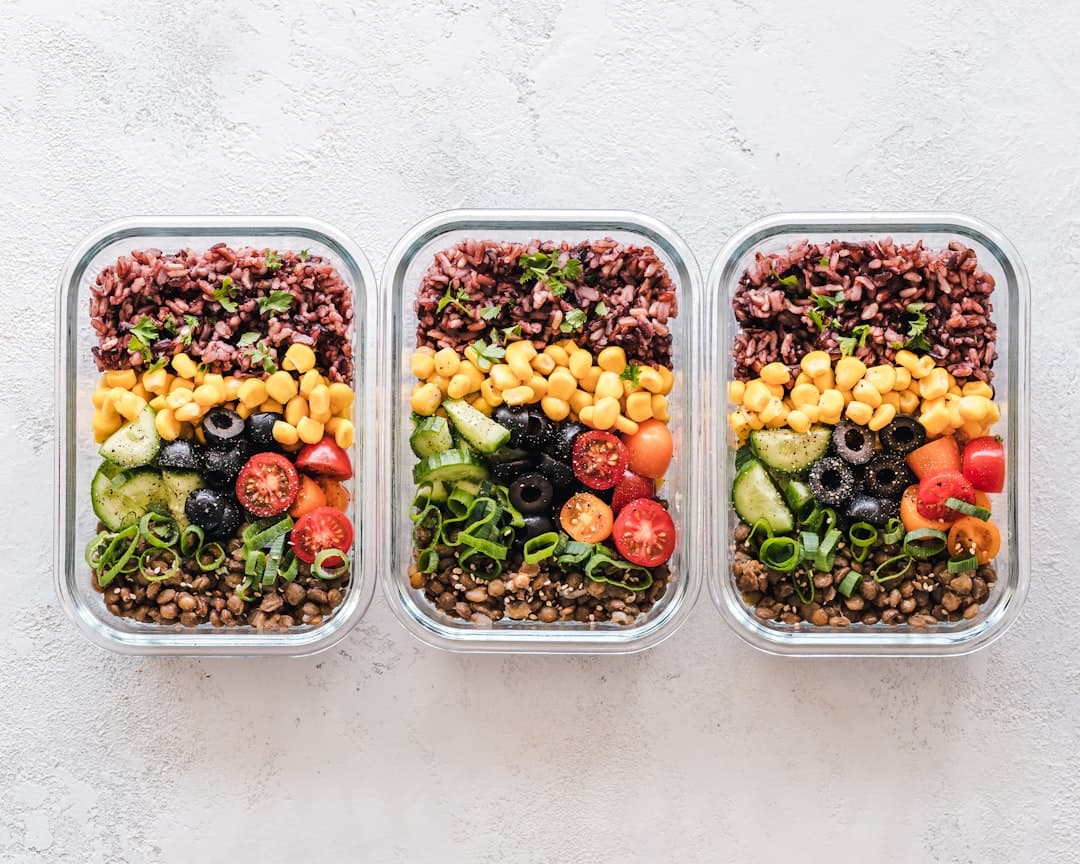
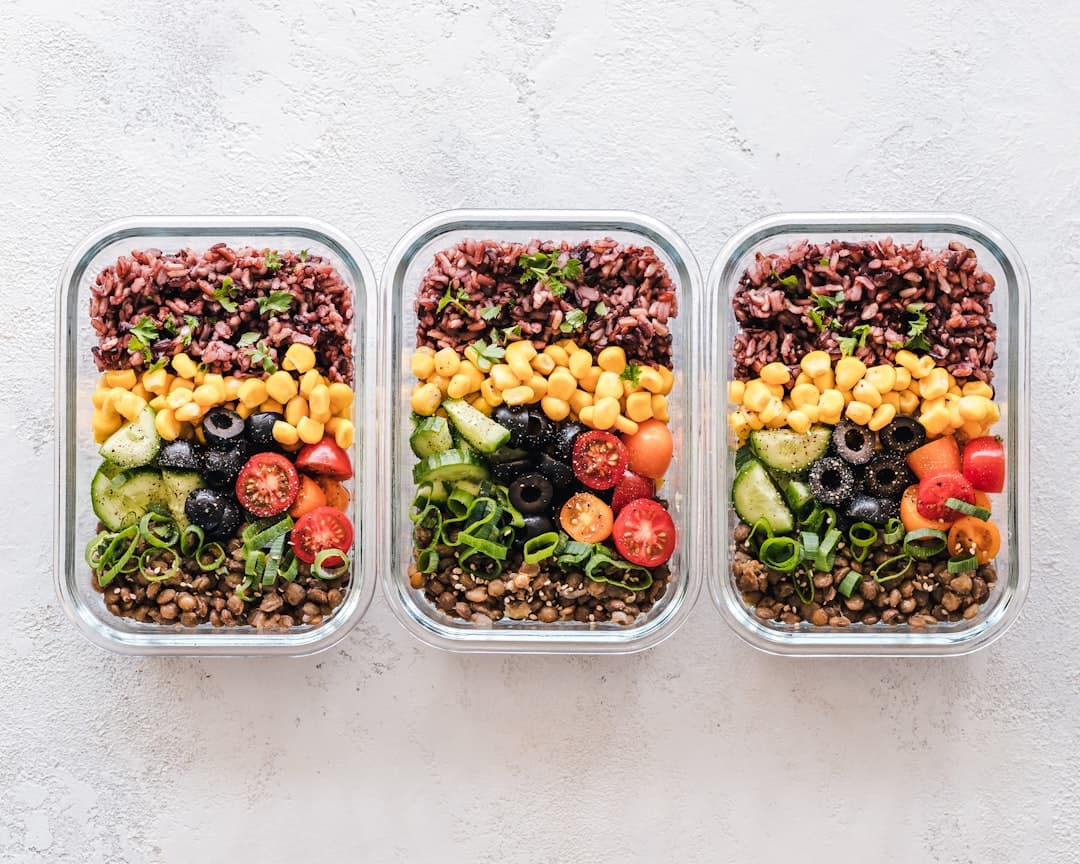
A simple “protein first, fiber second” plate strategy
You do not need a complicated meal plan to apply this.
This sequencing can be especially helpful if you tend to snack later, because a protein and fiber anchored dinner often reduces late-night cravings.
Expert Q&A: Is high protein safe for everyone?
Q: I hear “eat more protein” all the time. Is it safe if I have kidney concerns?
A: Protein needs are individual. For most healthy adults, higher protein within a balanced diet is generally considered safe, but people with chronic kidney disease often need personalized guidance.
If you have kidney disease, a history of kidney issues, or you are unsure, it is smart to ask your clinician or a registered dietitian to help you choose a target that supports your goals without increasing risk.
Dr. Maya Patel, MD, Internal Medicine
Timing matters: stop eating earlier, start later
Food quality matters, but timing can change how you feel the next day.
The video’s timing advice is built around sleep, blood sugar, and recovery.
The evening cutoff
The recommendation is to stop eating at least 2 hours before bed, and ideally 3 to 4 hours before bed.
The reasoning is that late meals can disrupt overnight metabolic rhythms and may worsen morning blood sugar control for some people. It also competes with the body’s nighttime priorities, which include recovery.
Research on meal timing and metabolism is still evolving, but there is supportive evidence that aligning eating patterns earlier in the day may improve some cardiometabolic markers in certain groups. For background on circadian rhythm and metabolism, see the National Institute of General Medical Sciences overview of circadian rhythmsTrusted Source.
The morning delay
On the other end, the video suggests letting your body wake up, get sunlight, and delaying breakfast about 1 to 2 hours after waking.
This is not framed as extreme fasting. It is a gentle way to avoid constant grazing and to create a consistent eating window.
A realistic eating window
The speaker shares a personal structure: a maximum 12-hour eating window, usually 9 to 10 hours, sometimes 8 hours.
That is a practical form of time-restricted eating. If you try this, the most important part is consistency and adequacy, not pushing the window so tight that you under-eat protein or trigger binges later.
Pro Tip: If late-night snacking is your main issue, do not start by skipping breakfast. Start by moving dinner earlier and building a more filling dinner with protein and fiber.
Keep snacks from turning into a second dinner
This approach encourages structured meals, like breakfast, lunch, and dinner, and fewer random snacks.
Between meals, the video suggests fluids like water, sparkling water, green tea, and coffee. Hydration can help energy and appetite regulation, and it also makes your weigh-in data less confusing.
Move more all day, then add tiny bursts of intensity
You do not need to live in the gym.
The movement strategy here focuses on what happens during the other 23 hours of your day.
Start by tracking steps, then raise your floor
The first task is to measure how much you currently move.
Then build toward a minimum of 8,000 steps per day, with a longer-term goal of 10,000 to 12,000.
This is aimed at increasing NEAT, or non-exercise activity thermogenesis. NEAT includes walking, standing, chores, taking stairs, and all the movement that is not formal exercise. The key point is that NEAT can vary dramatically between people, and it is often the most modifiable part of daily energy expenditure.
A practical warning from the video is important: when people start working out hard, they sometimes unconsciously move less the rest of the day. That can cancel out some of the calorie burn from workouts.
Try these NEAT boosters:
Add HIIT as “exercise snacks”
The video’s most distinctive training idea is exercise snacks, short bursts of vigorous movement for 1 to 2 minutes at a time.
Instead of scheduling a long HIIT session, you sprinkle intensity throughout the day until you hit about 5 to 10 total minutes.
One habit-stacking suggestion is: after each time you eat, do 1 to 2 minutes of something challenging, like stairs, jumping jacks, or air squats.
The logic is practical and sports-nutrition oriented: using your muscles right after a meal can help pull circulating glucose into working muscle, supporting insulin sensitivity.
What the research shows: Short bouts of vigorous intermittent lifestyle activity have been associated with lower risk of mortality outcomes in observational data. For an example of this research direction, see discussion of vigorous intermittent lifestyle physical activity in a study reported in Nature MedicineTrusted Source.
Expert Q&A: Do I have to do HIIT to lose 10 pounds?
Q: I hate HIIT. Can I still lose 10 pounds without it?
A: Yes. Weight loss can happen without HIIT. The biggest drivers are usually consistent nutrition habits, total daily movement, and strength training to preserve muscle.
HIIT is a tool, not a requirement. If it increases stress, pain, or makes you avoid exercise entirely, a better option is brisk walking, cycling, or short strength circuits you can recover from.
Dr. Elena Ruiz, MD, Sports Medicine
Sleep, strength training, and celebrating wins
Sleep is not a luxury in this plan. It is a lever.
The video highlights a common pattern: one poor night of sleep can make you hungrier and more insulin resistant the next day. That combination can make fat loss feel impossible, because you are fighting both biology and fatigue.
Sleep supports appetite and training quality
When sleep is short or fragmented, many people experience higher appetite and stronger cravings, especially for energy-dense foods. Sleep loss is also associated with reduced insulin sensitivity in research settings, which can make blood sugar management harder. For an overview of sleep and health, see the CDC’s sleep and sleep disorders resourcesTrusted Source.
Better sleep also improves workout quality. If you are exhausted, your resistance training sessions tend to be shorter, lighter, or skipped, and your daily steps often drop too.
Why strength training is the metabolism anchor
The argument here is that adding or preserving muscle improves resting metabolic rate and supports insulin sensitivity.
You do not need bodybuilding volumes for this to matter. A consistent resistance training routine, done safely and progressively, can help preserve lean mass during weight loss, which is a major factor in maintaining function and long-term body composition.
If you are new to strength training, consider getting guidance from a qualified coach or physical therapist, especially if you have pain, prior injuries, or medical conditions.
Celebrate wins along the way
This approach is not only data-driven, it is morale-driven.
The video encourages celebrating small indicators of success, not just the final 10-pound goal. Waist measurements down, total body water stable, protein targets hit, vegetables consistently eaten, steps trending up, sleep improving, these are all wins.
Celebration is not fluff. It is reinforcement.
When progress feels slow, those smaller metrics keep you engaged long enough for the scale trend to catch up.
Key Takeaways
Frequently Asked Questions
- How long does it realistically take to lose 10 pounds?
- A common, more sustainable pace is about 0.5% to 1% of your body weight per week. For many people, that puts 10 pounds in the 1 to 3 month range, depending on starting weight, consistency, and muscle preservation.
- Should I weigh myself every day or once a week?
- Daily morning weigh-ins can be useful if you use the weekly average and do not react to single-day fluctuations. If daily weighing increases anxiety or obsessive behavior, weekly weigh-ins plus waist measurements may be a better fit.
- What does “protein first, fiber second” mean in real life?
- It means you start meals with a protein source like eggs, yogurt, chicken, fish, or beef, then eat fiber-rich plants like non-starchy vegetables, berries, or legumes. After those anchors, you decide how much starch or fat you want.
- Do exercise snacks really count as exercise?
- They can. Short 1 to 2 minute bursts of vigorous movement done several times per day may improve fitness and blood sugar handling for some people, especially when paired with higher daily steps and strength training.
- Is late-night eating always bad for fat loss?
- Not always, but eating close to bedtime can make appetite control and morning blood sugar harder for some people. Many find that stopping food 2 to 4 hours before bed is a practical habit that supports sleep and consistency.
Get Evidence-Based Health Tips
Join readers getting weekly insights on health, nutrition, and wellness. No spam, ever.
No spam. Unsubscribe anytime.