10 Best Foods to Eat After 50 for Healthy Aging
Summary
After 50, the video’s core message is simple, your body becomes less forgiving. Muscle, collagen, and metabolic flexibility tend to decline, while insulin resistance, inflammation, and oxidative stress quietly rise. This article follows the video’s exact “top 10” list, fatty fish, avocados, cruciferous vegetables, pastured eggs, bone broth, berries, nuts and seeds (with a Brazil nut caution), dark chocolate (85% and up), fermented vegetables, and grass-fed liver. You’ll also get the video’s unique glycemic index thresholds for aging, plus practical ways to use these foods without overdoing sugar, selenium, or vitamin A.
One of the most striking ideas in this video is that aging does not usually show up as a sudden crisis.
It shows up as a slow drift, blood sugar creeping up, cholesterol “getting worse,” more stiffness, more fatigue, and that unsettling thought, “Most people your age.”
The video’s perspective is action-oriented: you cannot stop time, but you can change the slope of decline. Food is framed as a practical lever to slow degeneration, support brain and artery health, protect joints and skin, and stay more insulin sensitive after 50.
Did you know? The video highlights a common pattern after 50: people often become more insulin resistant even if they have not changed their diet much, which can make previously “normal” meals feel very different in the body.
Why food choices feel different after 50
The video uses a simple “vitality curve” idea. You peak around your mid-20s, plateau briefly, then gradually decline, with the earliest noticeable signs often showing up by 50.
This framing is not about chasing immortality. It is about extending the years where you feel steady, strong, clear-headed, and capable.
Three age-related shifts are emphasized again and again:
A fourth theme runs underneath all of it: low-grade chronic inflammation and oxidative stress. The video treats these as quiet drivers of premature aging and degenerative disease.
That is why the “top 10 foods” are not random superfoods. They are chosen to support these specific pressure points: inflammation, oxidation, insulin sensitivity, brain function, vascular health, and connective tissue.
The video’s “anti-aging” target: inflammation, oxidation, insulin resistance
This approach is built around a core trade: eat in a way that asks less of your metabolism, while giving your tissues better raw materials.
In practical terms, the discussion keeps circling back to:
The key insight here is that anti-aging is not presented as a skincare project.
It is presented as a whole-body project.
Before vs after, the trade the video wants you to make
Here is the comparison implied throughout the talk.
Important: If you have diabetes, chronic kidney disease, gout, hemochromatosis, a history of kidney stones, or you take blood thinners, it is especially important to discuss major diet changes and supplements with your clinician.
Food 1: Salmon or sardines for omega-3s (EPA and DHA)
The first food is not subtle: salmon or sardines, or another fatty fish that is reliably high in omega-3s.
The emphasis is specifically on EPA and DHA, the omega-3 fats most associated with brain and cardiovascular support.
This food is framed as doing several jobs at once:
The speaker makes a strong, opinionated point: if you do not eat fatty fish around three times per week or more, fish oil is “not really optional.” That is a more forceful stance than many general nutrition articles, and it is central to this video’s unique perspective.
Research is broadly consistent that omega-3s support cardiovascular health, though effects vary depending on the population and outcomes studied. For background, the NIH Office of Dietary Supplements summarizes omega-3s and their roles in health in its Omega-3 Fatty Acids fact sheetTrusted Source.
Pro Tip: If you are choosing between salmon and sardines, sardines can be a practical “default” because they are inexpensive, shelf-stable, and typically come in portion-controlled cans.
Food 2 and 3: Avocados plus cruciferous vegetables
These two foods work like a pairing in the video. One helps you shift fats and fiber in a satisfying way, the other adds detox-supporting plant compounds and antioxidants.
Food 2: Avocados
Avocados are positioned as a heart-friendly, insulin-friendly staple.
They are highlighted for potassium and monounsaturated fats, which the video connects to improved vascular elasticity. The logic is simple: more elastic blood vessels can make it easier for the heart to pump blood, and may support healthier blood pressure.
Avocados are also described as high in fiber and low in net carbs, which matters in the video’s model of aging. If insulin resistance is rising, the goal is to get energy without triggering large insulin responses.
A practical bonus is included: avocado’s fat can support absorption of fat-soluble vitamins A, D, E, and K, and carotenoids such as beta-carotene.
For readers who want a research-based overview of monounsaturated fats and cardiometabolic health, the American Heart Association discusses dietary fats and heart health in its guidance on healthy eatingTrusted Source.
Food 3: Cruciferous vegetables
Cruciferous vegetables include broccoli, Brussels sprouts, kale, cauliflower, cabbage, and arugula.
This part of the video is not just “eat your veggies.” It is specifically about liver support and hormone metabolism.
The discussion highlights compounds in cruciferous vegetables that support the liver’s detox pathways, including the breakdown and clearance of hormones such as estrogen and testosterone. That is framed as particularly relevant during menopause for women, and for prostate health for men.
Cruciferous vegetables are also positioned as antioxidant-rich foods that help the body manage oxidative stress and inflammation.
For a research-based look at cruciferous vegetables and their bioactive compounds, the National Cancer Institute provides an overview of cruciferous vegetables and potential health roles in its Cruciferous Vegetables and Cancer PreventionTrusted Source resource.
Food 4: Pastured whole eggs (why yolks matter)
Eggs are presented as a targeted “aging well” food, but only if you eat them a certain way.
Not pasteurized.
Pastured.
The argument is that eggs from hens raised on pasture provide more of the nutrients the video cares about for aging brains and eyes.
Key nutrients emphasized:
The speaker also makes a controversial-sounding point that is worth handling carefully: very low cholesterol levels are described as raising dementia risk. Cholesterol is indeed important for brain structure and function, but cholesterol management is highly individualized, especially if you have cardiovascular disease risk. If you are on cholesterol-lowering medication, do not change it without medical supervision. For general background, the NIH has a consumer overview of cholesterol in MedlinePlusTrusted Source.
The practical advice is clear and specific: eat the whole egg, not just the white.
Why? Because most of the nutrients are in the yolk, and because the video argues you better utilize the amino acids when you eat yolk and white together.
The speaker also provides a quality comparison, claiming substantially higher levels of certain nutrients in pastured eggs compared with eggs from concentrated animal feeding operations (for example, more DHA, more vitamin D, more vitamin E, more beta-carotene, and more lutein and zeaxanthin). Exact values vary by farming practices and feed, but the general point stands: production methods can influence nutrient profiles.
Expert Q&A
Q: Are eggs “bad” after 50 if I worry about cholesterol?
A: For many people, eggs can fit into a heart-healthy pattern, especially when they replace refined carbohydrates at breakfast. The more important context is your overall risk profile, your LDL, HDL, triglycerides, blood pressure, family history, and whether you already have cardiovascular disease.
If you have been told to limit dietary cholesterol or saturated fat, bring eggs up with your clinician or a registered dietitian so you can personalize frequency and portion size.
Jordan Lee, RD (Registered Dietitian)
Food 5 and 6: Bone broth and berries for joints and brain
These two foods are presented as “repair and protect.” One focuses on connective tissue building blocks, the other focuses on antioxidant protection and circulation.
Food 5: Bone broth
Bone broth is framed as a connective tissue support tool because it contains glycine, collagen, and proline.
The video’s logic is straightforward: you boil these compounds out of bones so your body can use them as building materials for joints, tendons, cartilage, gut lining, and skin.
Aging often comes with more stiffness and osteoarthritis-type wear and tear. The video connects bone broth to a two-part strategy:
One especially specific claim is included: glycine may improve sleep for some people. Sleep is a major lever for metabolic and cognitive health, so this is a notable side benefit to consider, even if effects vary.
For readers who want a research-based primer on glycine, collagen, and dietary protein, the NIH provides broader context on protein needs and health in its Protein fact sheetTrusted Source.
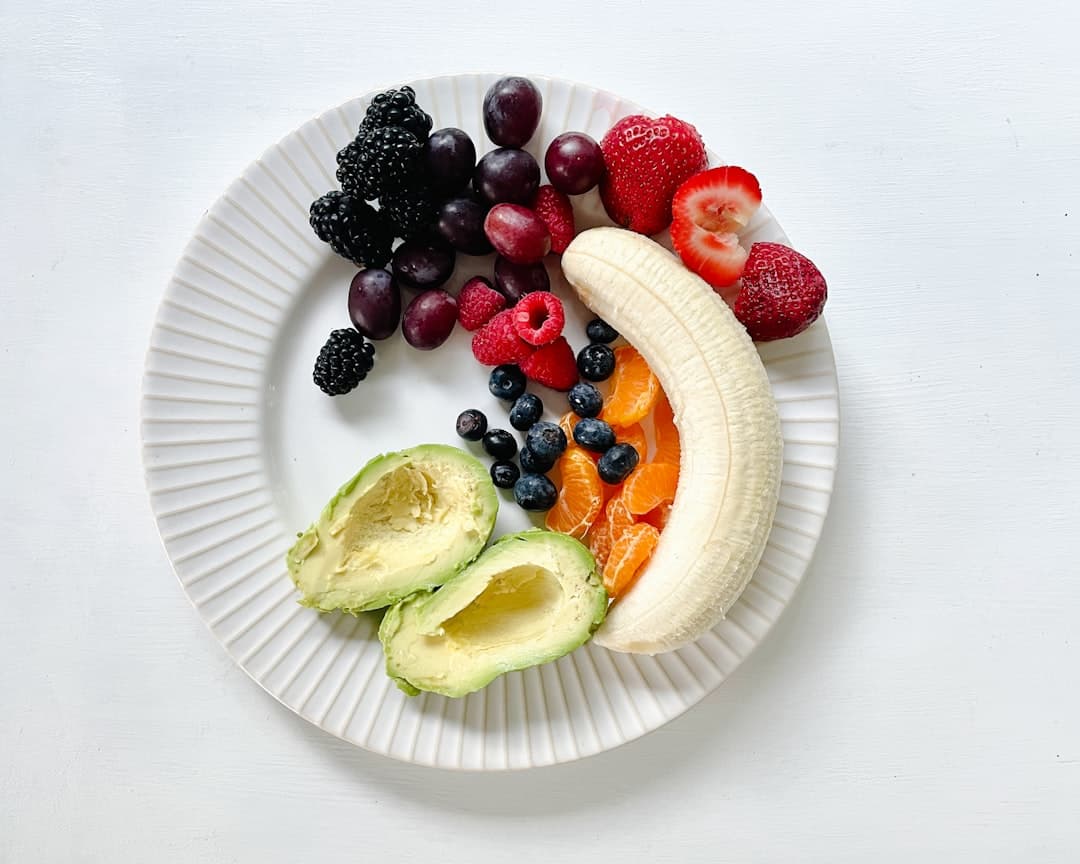
Food 6: Berries
Berries are described as “safe sweet treats,” but not a free-for-all.
They are emphasized for polyphenols and anthocyanins, compounds linked to lower oxidative stress and inflammation. The video connects berry intake to slower cognitive decline, better signaling for memory formation, and improved circulation.
What the research shows: Diet patterns rich in polyphenol-containing fruits and vegetables are associated with better cardiometabolic health markers in many observational studies, and some trials suggest vascular benefits. The NIH overview of flavonoids provides context in its Flavonoids fact sheetTrusted Source.
The video then turns berries into a teaching moment about carbs after 50, which leads directly into its glycemic index rules.
Aging-friendly carbs: the video’s glycemic index rules (stricter than usual)
This is one of the most unique parts of the video.
Many nutrition resources define “low glycemic index” as 55 or below. The speaker argues that this standard is too lenient for people over 50 who are trending more insulin resistant.
The video’s stricter cutoffs:
That is a major shift in how “safe carbs” are defined.
The reasoning is also blunt: the traditional glycemic index scale was developed in a culture that promoted a high-grain, high-starch food pyramid, and the speaker links that mindset to modern obesity and diabetes trends.
Here are the glycemic index ranges the video assigns to broad food groups:
Then the video gets very specific about berries:
This does not mean you must ban blueberries forever. It means the video wants you to think like someone managing insulin sensitivity as a priority.
Pro Tip: Pair berries with protein or fat (Greek yogurt, chia pudding, or a handful of nuts) to slow absorption and make the portion feel more satisfying.
Food 7 and 8: Nuts, seeds, and dark chocolate (with smart limits)
This section is where the video becomes both practical and unusually specific, especially about glycemic index numbers and “hidden” risks like selenium toxicity.
Food 7: Nuts and seeds (and the Brazil nut warning)
The video recommends several nuts and seeds as aging-friendly staples due to fiber, minerals, healthy fats, and relatively low glycemic impact.
It highlights:
Benefits mentioned include fiber, protein, minerals (magnesium, zinc, calcium, iron), vitamins (B and E), and some omega-3s in the form of ALA (alpha-linolenic acid).
But there is a critical nuance: ALA converts poorly to EPA and DHA, so it is not a replacement for fatty fish.
Then comes the most memorable caution in the entire video: Brazil nuts.
The speaker shares a clinical anecdote that many people “tested sensitive” to Brazil nuts, and later connects this to selenium dose.
The numbers given in the video:
That means one nut can be 160% to 320% of the RDA, and a few nuts could exceed the toxicity threshold.
This is not a reason to fear Brazil nuts. It is a reason to portion them like a supplement.
Important: Selenium can be harmful in excess. If you eat Brazil nuts regularly, keep portions small (the video suggests 1 to 2 per day) and avoid stacking multiple selenium sources (nuts plus high-dose supplements) without clinician guidance.
To verify selenium guidance and upper limits, you can review the NIH Office of Dietary Supplements Selenium fact sheetTrusted Source.
Food 8: Dark chocolate (aim for 85% and above)
Yes, chocolate makes the list.
But the video is not talking about candy bars.
Dark chocolate is included for flavanols, which are linked in the video to improved endothelial function and nitric oxide release, supporting vasodilation and circulation. Better circulation is framed as especially valuable for brain aging.
Then the speaker does something very practical: compares chocolate by total carbs, fiber, net carbs, and added sugar.
The key takeaway from the comparison is that 85% cocoa and above is considered the “safe zone” in this framework because it is lower in net carbs and added sugar, and higher in fat and fiber, which can slow absorption.
The video’s example numbers per ounce:
The point is not perfection. It is direction.
If you are trying to protect insulin sensitivity after 50, the “chocolate choice” becomes a metabolic decision, not just a taste decision.
Food 9 and 10: Fermented vegetables and grass-fed liver
These final two foods are about what the video treats as hidden aging bottlenecks: the gut microbiome and nutrient deficiencies.
Food 9: Fermented vegetables
Kimchi and sauerkraut are the common examples, but the video notes that many vegetables can be fermented.
The reason to prioritize them is bacteria.
Fermentation grows microbes that can support the gut microbiome. The video argues microbial diversity tends to decrease with age and antibiotic exposure, and that improving gut health can support digestion, immunity, and nutrient absorption.
A particularly interesting claim is that the gut is “super important” for neurotransmitters, especially serotonin.
For a research-based overview of probiotics and fermented foods, the National Center for Complementary and Integrative Health provides a consumer-friendly discussion of probiotics in Probiotics: What You Need To KnowTrusted Source.
»MORE: If you want an easy starting point, create a “fermented add-on” habit, add 1 to 2 forkfuls of sauerkraut or kimchi to one meal per day for two weeks, then reassess digestion and cravings.
Food 10: Grass-fed liver (or desiccated liver)
The final food is also the most polarizing.
Liver is framed as a nutrient density powerhouse, and the video offers a workaround for taste: desiccated liver, either as tablets or capsules.
The nutrients emphasized are:
These are described as common deficiencies, especially after 50.
The video ties these nutrients to methylation, detox support in the liver, red blood cell production, oxygen delivery, and mitochondrial energy production. The theme is that better oxygen delivery and energy production matter more as circulation and resilience decline with age.
Important: Liver is very high in preformed vitamin A (retinol). If you are pregnant, trying to conceive, have liver disease, or already supplement vitamin A, talk with a clinician before adding frequent liver meals or high-dose liver supplements. The NIH overview of vitamin A includes upper limit context in its Vitamin A fact sheetTrusted Source.
Key Takeaways
Frequently Asked Questions
- Do I need to avoid carbs completely after 50?
- The video’s approach is not “zero carb,” it is “lower glycemic impact.” It emphasizes non-starchy vegetables, modest berry portions, and avoiding high-glycemic foods that spike blood sugar, especially if insulin resistance is rising.
- Is fish oil necessary if I do not eat fish?
- In the video, fish oil is framed as a practical non-optional if you do not eat fatty fish about three times per week. If you take blood thinners or have surgery planned, discuss omega-3 supplements with your clinician first.
- How dark should dark chocolate be to fit this plan?
- The video recommends choosing chocolate that is 85% cocoa or higher to minimize added sugar and net carbs. Lower percentages can contain much more added sugar, which may work against insulin sensitivity goals.
- Are Brazil nuts healthy or risky?
- Both can be true. Brazil nuts are extremely high in selenium, and the video warns that a few nuts can exceed the tolerable upper limit, so small portions (often 1 to 2 nuts) are the safer approach.
- Can fermented vegetables replace a probiotic supplement?
- Fermented vegetables can add beneficial microbes and support dietary diversity, but they are not identical to targeted probiotic strains. If you have a medical condition like histamine intolerance or are immunocompromised, check with your clinician before increasing fermented foods.
Get Evidence-Based Health Tips
Join readers getting weekly insights on health, nutrition, and wellness. No spam, ever.
No spam. Unsubscribe anytime.