Healthy Flux – Sexual & Reproductive Health Editorial Desk

Editorial DeskEvidence-Based Content

This content is produced by the Healthy Flux Sexual & Reproductive Health Editorial Desk. Articles are curated from peer-reviewed research, clinical guidelines, and expert medical sources, then reviewed under our editorial standards. Content is educational and not a substitute for professional medical advice.

21articles produced
2health topics
Women's Reproductive HealthMen's Sexual Health

Articles Produced by This Editorial Desk

Feeling Pressured About MHT? A Grounded Middle Path
Women's Reproductive Health

Feeling Pressured About MHT? A Grounded Middle Path

If social media is making you feel like menopause hormone therapy (MHT) is mandatory, this perspective offers a reset. The core idea is simple: ignore online sellers, recognize the current pendulum swing that pushes MHT for everyone, and get individualized care instead of hype. MHT can be a helpful tool, but it is not automatically right for every person, and skipping it does not mean you are doomed. Start with your GP, ask for a referral if needed, and consider an endocrinologist who can talk through symptoms, risks, and goals with you.

Male vs Female Brain Differences, Genes, Hormones
Men's Sexual Health

Male vs Female Brain Differences, Genes, Hormones

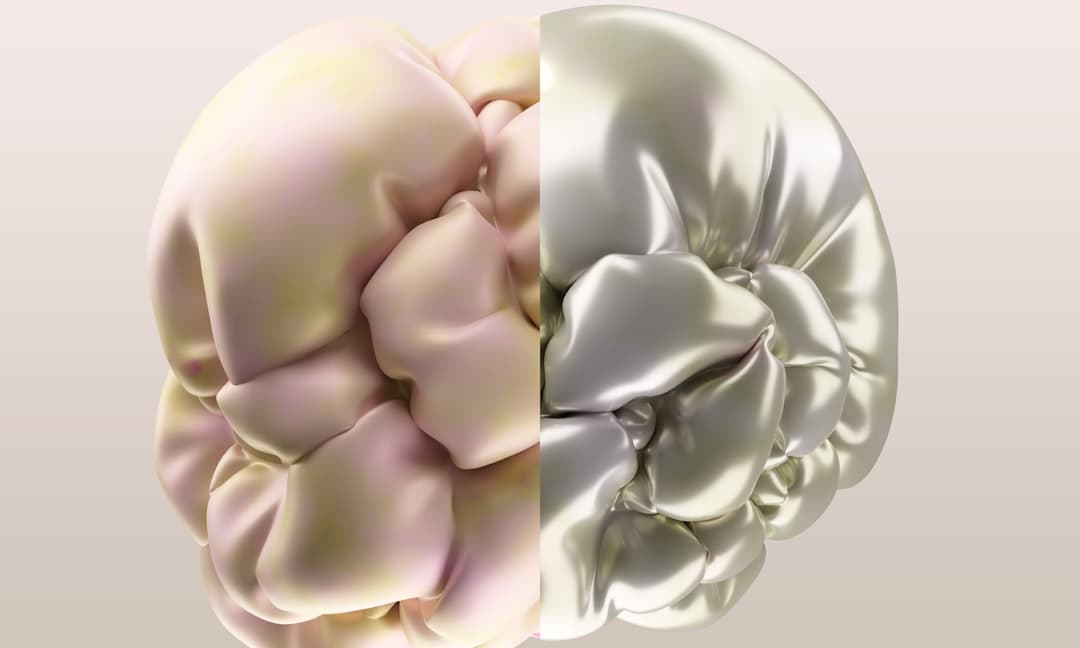
People often ask, “Are male and female brains actually different, or is it all culture?” This article follows Dr. Nirao Shah’s core framing, sex differences in the brain are real, many are rooted in conserved hypothalamic circuits, and they arise through a two-stage process. First, early-life hormones organize a “bipotential” brain and body toward male-typical or female-typical development. Later, puberty hormones activate those circuits. The discussion spotlights the SRY gene’s outsized role in gonad development, why testosterone and DHT are not the whole story, and how rare intersex variations reveal the underlying biology.

Why Cardio Alone Falls Short After 40 for Women
Women's Reproductive Health

Why Cardio Alone Falls Short After 40 for Women

Many women over 40 lean hard on cardio to stay thin, but Dr. Stacy Sims argues this can backfire, leading to a “skinny fat” look, lower quality muscle, and fragile, “chalk-like” bones. Her emphasis is not to quit cardio, but to stop letting it be the whole plan. The core shift is to fuel before training, add strength work, and be intentional about exercise intensity and dosing. This approach aims to protect lean mass, support bone strength, and even promote neuroplasticity, which matters for long-term brain health.

Hard vs Soft Landings: A Bone-Building Reality Check
Women's Reproductive Health

Hard vs Soft Landings: A Bone-Building Reality Check

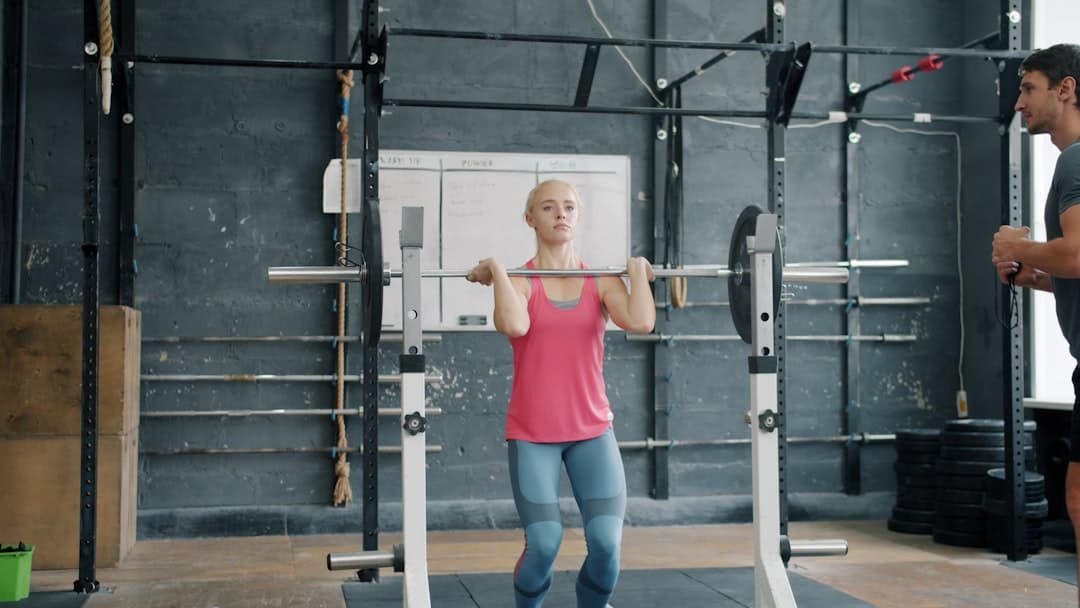
Most people assume that landing softly is always safer and better, but this video highlights a different goal: if you are trying to stimulate bone, you may need some impact to travel through the skeleton. The key idea is starting with very low heights, even a 3-inch depth jump, and landing solid (not collapsing into a cushioned landing) so the ground reaction force loads bone. This approach is also framed as a confidence builder for people afraid of jumping and as a way to condition tendons and ligaments for more advanced plyometrics later. If you have low bone density or other risks, get individualized guidance first.

Protein Coffee for Mornings, A Simple 30g Boost
Women's Reproductive Health

Protein Coffee for Mornings, A Simple 30g Boost

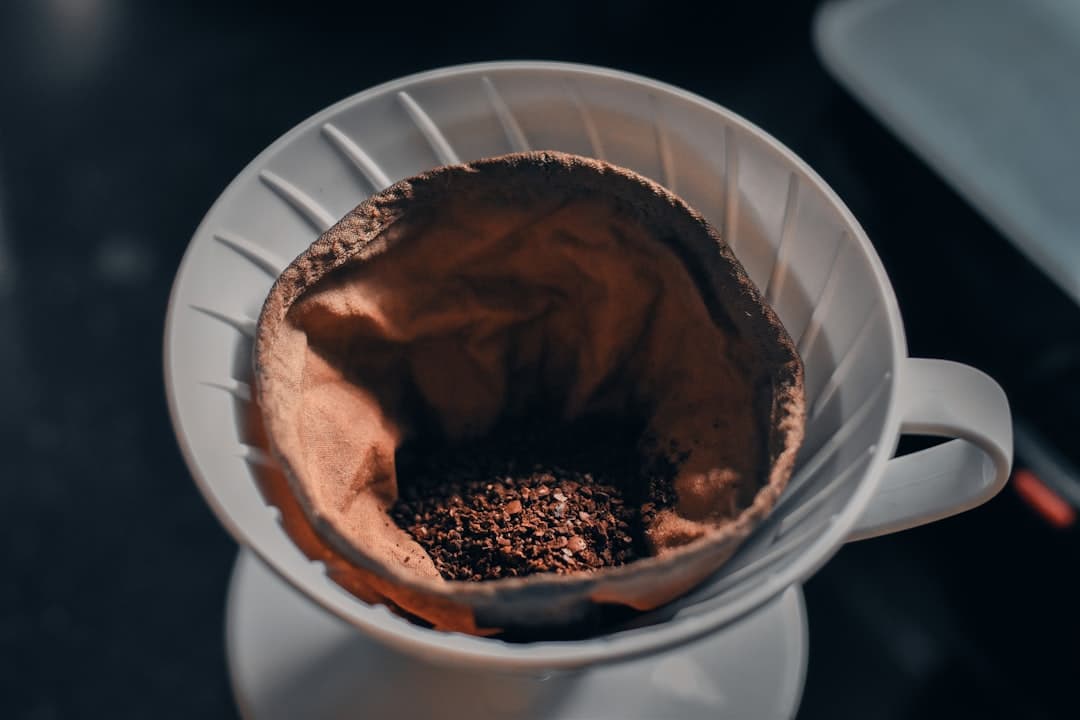
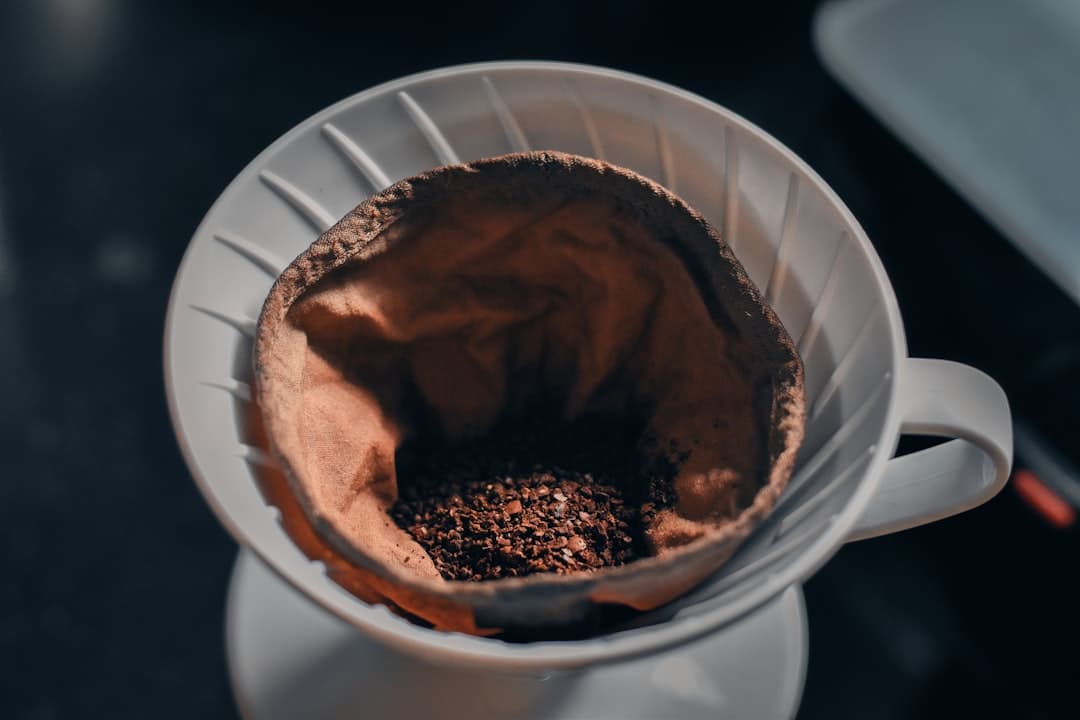
This video’s core takeaway is simple: you can “sneak” about 30 grams of protein into your morning coffee by mixing protein powder into cold milk first, then adding a double shot of coffee, and chilling it for the next morning. The unique emphasis is on texture control, keep the mixture cold to avoid a “gluggy and gross” result. This approach can be helpful for people who struggle to eat protein early, including many women juggling busy mornings. It is not a cure-all, but it can be a practical, repeatable routine.

Exercise Advice for Women, Menopause, and Fat Loss
Women's Reproductive Health

Exercise Advice for Women, Menopause, and Fat Loss

A core message from Dr. Stacy Sims is that much “mainstream” training and fat loss advice was built around male physiology, then handed to women as if hormones do not change the rules. This video’s perspective emphasizes resistance training across life stages, plus strategically timed intensity that matches menstrual cycle shifts and menopause-related hormone changes. It also highlights a modern problem, daily life has become so convenient that many people struggle with basic movement, which quietly undermines health. The goal is not perfection, it is using your physiology as a guide so training builds strength, improves blood sugar control, and supports long-term metabolic health.

Protein in Your 40s: The Overlooked Macro Shift
Women's Reproductive Health

Protein in Your 40s: The Overlooked Macro Shift

If you are in your 40s, training regularly, traveling, or feeling perimenopause changes, this video’s core argument is simple: many women are under-eating protein, and it quietly undermines body composition, appetite signals, sleep, and resilience. The unique emphasis is not just “eat more protein for muscle.” It is protein as a building block for bone and neurotransmitters, and as a practical lever when you need to raise calories without leaning on ultra-processed carbs or just adding fat. The approach is gradual, structured “eating opportunities” that retrain hunger and fullness cues that can get blunted under chronic stress and elevated cortisol.

Dr. Jen Gunter on Hormones, Hype, and Online Fear
Women's Reproductive Health

Dr. Jen Gunter on Hormones, Hype, and Online Fear

A lot of women feel stuck between two extremes, scary internet claims about hormones and birth control, and rushed medical visits that leave them without a plan. In this conversation, Dr. Jen Gunter argues that the real danger is not “hormones” themselves, it is how misinformation exploits gaps in care using certainty, fear, and short-form content. Her core message is to demand transparency about evidence quality, treat “no thing” as a valid medical intervention when appropriate, and prioritize follow-up plans over quick fixes. This article translates those ideas into practical steps for evaluating hormone claims and making safer decisions with your clinician.

Menopause: The Hidden Whole Body Hormone Shift
Women's Reproductive Health

Menopause: The Hidden Whole Body Hormone Shift

Many women hit their 40s, cannot sleep, feel exhausted, and notice body changes, then get told it is “just stress.” The video’s core insight reframes this common puzzle: changing sex hormones can downregulate multiple body systems at once, so symptoms can show up everywhere, not just in periods. That shift in framing can be a relief, because it validates what women feel and helps guide a better conversation with a clinician. This article breaks down that whole body perspective and offers practical ways to track symptoms, prepare for appointments, and seek support.

Should You Train by Your Menstrual Cycle or Not?
Women's Reproductive Health

Should You Train by Your Menstrual Cycle or Not?

Cycle syncing, adjusting training to menstrual cycle phases, sounds precise, but the key insight here is that it may not be precise for many people. In this video, Dr. Stacy Sims explains that earlier molecular research suggested the low hormone (follicular) phase can support better stress resilience, carbohydrate use, and muscle protein synthesis. Newer research and real world variability complicate the picture because ovulation is required for true phase differences, and many cycles are not ovulatory. Instead of rigid rules, she emphasizes tracking your own bleed pattern, symptoms, and cycle changes to guide training choices.

Raising Body-Confident Girls Through Strength
Women's Reproductive Health

Raising Body-Confident Girls Through Strength

Many families treat girls’ training like a smaller version of boys’ sports. Dr. Stacy Sims argues that the bigger gap is education: puberty changes, body image pressure, and toxic sport culture can collide just as girls need support most. Her NextGen framing centers on practical tools for parents, coaches, and dads, starting with normalizing functional movement and strength training, not just sport practice. The goal is to build body confidence, reduce diet culture messaging, and create safer environments where girls can fuel, grow, and perform without shame.

Cycle Syncing Training, What Dr. Stacy Sims Reconsiders
Women's Reproductive Health

Cycle Syncing Training, What Dr. Stacy Sims Reconsiders

Many women try to “cycle sync” workouts, only to find it does not match how they actually feel. In this video, Dr. Stacy Sims revisits her earlier messaging and explains why newer research complicates phase based training. Molecular patterns still matter, like lower hormone phases often supporting better carbohydrate use and stress resilience, while higher hormone phases may raise protein needs and shift metabolism. The major catch is variability, many cycles may be anovulatory, and bleeding can still happen without ovulation. The practical takeaway is to track your personal patterns, especially bleed characteristics, symptoms, and cycle length changes, then adjust training based on your real responses.

What The Office Gets Right About Germs, STIs, Birth
Women's Reproductive Health

What The Office Gets Right About Germs, STIs, Birth

The most useful takeaway from this reaction video is that “common sense” health logic often breaks down in real life. Washing hands does not “weaken” immunity, rabies is preventable only if treated before symptoms, and “negative” test results usually mean good news. The analysis also reframes herpes simplex as common and often mild, calls out stigma, and connects unintended pregnancy prevention to long-acting reversible contraception. Even comedic moments, like pepper spray chaos and baby “marking,” become reminders about workplace safety, eye irrigation, and hospital newborn security systems.

Safest Sprint Training in Your 40s, Step by Step
Women's Reproductive Health

Safest Sprint Training in Your 40s, Step by Step

Sprint training in your 40s does not have to mean suddenly running all-out on a track. The video’s core idea is to define “sprint interval training” by intensity and structure: 30 seconds or less at near-max effort, followed by long recovery (2 to 4 minutes) to allow full nervous system and muscle fuel recovery. That framing helps reduce common mistakes, like treating sprints as casual HIIT with short rests or jumping into running sprints without preparation. You can start with safer “sprint-like” tools such as an assault bike, rowing, battle ropes, or heavy kettlebell swings, and then phase into running if desired.

Plyometrics for Women: Bone and Metabolic Benefits
Women's Reproductive Health

Plyometrics for Women: Bone and Metabolic Benefits

Plyometrics are often associated with elite athletes, but the core idea is simple: fast, explosive muscle contractions. This video’s key point is that plyometrics do not have to mean jumping, especially if knees or hips feel sensitive. Box jumps and jumping lunges are options, but so are kettlebell swings, wall plyo push-ups, and heavy medicine ball slams. The unique emphasis is on “explosive movement” as a practical tool that may support metabolic control and bone health. Start conservatively, prioritize good form, and check with a clinician if you have pain or osteoporosis risk.

Training Over 50: Longevity and Bone Density
Women's Reproductive Health

Training Over 50: Longevity and Bone Density

A striking claim in the video is that about one third of bone mass can be lost around the onset of menopause, and that a small, targeted training plan may counter it. The core viewpoint is to stop optimizing for “what worked before” and instead train for the 80 to 90 year old version of you: independent living, balance, strong bones, and strength. The recommended trio is 10 minutes of jump training three times weekly, plus heavy resistance training and sprint interval training. Research supports that bones respond to high strain and impact, but safety and individual risk matter.

Science-Based Critique of Influencer Workouts and TRT
Men's Sexual Health

Science-Based Critique of Influencer Workouts and TRT

Is the “perfect” workout the one that looks hardest on camera, or the one you can recover from and progress on for months? This article unpacks a video where two evidence-minded lifters, including Dr. Mike Israetel (PhD sports science), rapidly critique famous training clips, steroid and TRT takes, and recovery trends like cold plunges. The throughline is simple but easy to miss online: most gains come from effort, volume you can recover from, good range of motion, and consistency, not novelty. You will also get practical “what to tweak” ideas for squats, rows, presses, curls, pulldowns, and leg press.

Nobody Taught You This About Sex, Risk, and Health
Men's Sexual Health

Nobody Taught You This About Sex, Risk, and Health

Sex can support health in real, measurable ways, but the podcast’s core point is sharper: many people learn “how sex works” from porn, which is not safety-tested, and that gap can lead to lifelong consequences. The conversation covers benefits (stress relief, mood, sleep, immune markers), then pivots to under-discussed risks like choking, fecal-oral infections from oral-anal contact, and UTIs after intercourse. It also highlights a surprising microbiome study and frames sexual decision-making as something to plan before arousal changes your risk tolerance.

Menopause Hormone Therapy: Tools, Not a Shortcut
Women's Reproductive Health

Menopause Hormone Therapy: Tools, Not a Shortcut

Menopause hormone therapy can be a powerful tool, but this video’s core message is simple: it may slow the rate of change, it does not stop aging. The practical focus is on using hormones as one building block alongside protein-forward anti-inflammatory nutrition, cardiovascular fitness, heavy lifting, stress “detox,” and protected sleep. The speaker shares a personal turning point in her late 40s, with night sweats, brain fog, palpitations, and widespread joint pain, then describes choosing estradiol plus progesterone (because she has a uterus), and later a small dose of testosterone, paired with major lifestyle changes. The takeaway is agency, not one-size-fits-all care.

Women’s Protein Needs by Age, Goals, and Life Stage
Women's Reproductive Health

Women’s Protein Needs by Age, Goals, and Life Stage

Protein advice for women often swings between extremes, from very high gram-per-kilo targets to claims that 50 g per day is enough. This video’s perspective reframes the puzzle: the RDA is a minimum to prevent deficiency, not an “optimal” target for active women, especially as protein responsiveness changes with age and menopause. It suggests higher ranges for active reproductive-age women and even higher targets from the 40s onward, plus a practical strategy of spreading protein across meals and snacks. The emphasis is not only muscle, but also bone and brain-related roles of amino acids.

Efficient Training for Women 40+: Sims’ 3 Pillars
Women's Reproductive Health

Efficient Training for Women 40+: Sims’ 3 Pillars

In this Huberman Podcast segment, Dr. Stacy Sims frames training after 40 (especially 50+) as a “turn the brain away” moment, stop chasing what used to work and train for the life you want at 80 or 90. Her efficiency formula centers on three stressors: short, regular jump training for bone loading, heavy resistance training for strength and muscle, and sprint interval training for high return conditioning. Nutrition is the companion lever: higher daily protein, roughly 1 gram per pound of body weight (about 2 to 2.3 g per kg), using animal or plant sources.

Have a health question?

Ask Clara, our AI health assistant, for personalized guidance.

Ask Clara

We use cookies to provide the best experience and analyze site usage. By continuing, you agree to our Privacy Policy.