Claire Beaumont

Editorial DeskEvidence-Based Content

This content is produced by the Healthy Flux Bone, Joint & Mobility Editorial Desk. Articles are curated from peer-reviewed research, clinical guidelines, and expert medical sources, then reviewed under our editorial standards. Content is educational and not a substitute for professional medical advice.

5articles produced
3health topics
Joint PainBack & Neck PainBone Health

Articles Produced by This Editorial Desk

Jump Training for Osteopenia: A 12-Week Plan
Bone Health

Jump Training for Osteopenia: A 12-Week Plan

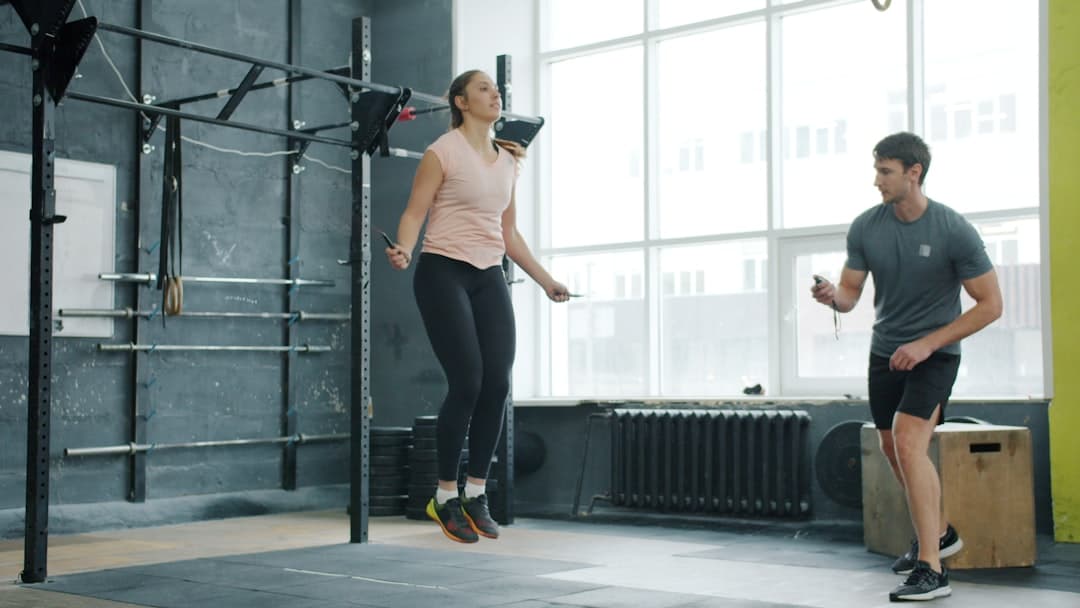
A striking takeaway from Dr. Stacy Sims is that short, targeted impact can be enough to meaningfully challenge bone. She highlights research from a bone scientist colleague suggesting **10 minutes of jumping, three times per week** (jump rope or jumping in place) may move some osteopenic women into a normal bone density range over **12 weeks**. The unique twist is technique: landing with a **stiffer leg** rather than deeply bending the knees, so the skeleton, not just the muscles, absorbs the impact signal. This same jump block can also double as high-intensity work that supports **blood sugar and insulin** goals.

Why a Second Head Hit Can Be More Dangerous
Back & Neck Pain

Why a Second Head Hit Can Be More Dangerous

Most people judge a head hit by how hard it looked. This video’s unique point is that the hidden danger is often the bounce inside the skull and the timing of a second impact. The clinician explains how a single blow can injure two brain areas (contra-coup) because the brain moves in fluid. Then he highlights why a second, even milder hit soon after the first can be far riskier, raising concern for second impact syndrome. The takeaway is less about “toughing it out” and more about recognizing red flags and preventing repeat contact.

FRAX vs DEXA: A Practical Guide to Fracture Risk
Bone Health

FRAX vs DEXA: A Practical Guide to Fracture Risk

FRAX is a free questionnaire that estimates your 10-year risk of hip fracture and major osteoporotic fracture using age, sex, BMI, prior fractures, family history, smoking, alcohol, certain conditions, and sometimes bone density. The video’s core message is practical: bone density matters, but it is not the whole story. FRAX can help you see how multiple everyday factors stack together, and it can guide whether you should simply maintain habits, monitor risk, or talk with a clinician about further evaluation and options.

Understanding Diet's Role in Chronic Inflammation
Joint Pain

Understanding Diet's Role in Chronic Inflammation

If your knee, hip, or hands flare after certain meals, the pattern may be real. In this Talking with Docs episode, two physicians focus on six food categories that can raise measurable blood markers of inflammation, especially C reactive protein, and potentially worsen joint pain during flares. They are not arguing for perfection or banning foods forever. Instead, they frame diet as a short-term lever you can pull when arthritis, injury, or autoimmune inflammation is active. This article breaks down their list, the likely mechanisms, and a practical, step-by-step way to test your personal triggers.

Reduce Inflammation Naturally with These Foods
Joint Pain

Reduce Inflammation Naturally with These Foods

Inflammation is not always the enemy, the clinicians emphasize that acute inflammation helps you heal, but chronic inflammation can linger like an overstaying houseguest. Their upbeat, practical message is that some foods are not just “allowed”, they may actively support a calmer inflammatory state, which matters for joint pain and everyday stiffness. They walk through ten favorites: fatty fish, berries, turmeric paired with black pepper, extra virgin olive oil, green tea or matcha, leafy greens, tomatoes, nuts, garlic, and avocados. Along the way, they add useful nuance: heavy metals in fish are worth understanding, but moderation matters, nightshades are not automatically inflammatory though some people do not tolerate them, and very high-dose omega-3 supplements may carry risks that whole foods usually do not. The overall puzzle they are trying to solve is how to make anti-inflammatory eating feel doable, enjoyable, and consistent.

Have a health question?

Ask Clara, our AI health assistant, for personalized guidance.

Ask Clara

We use cookies to provide the best experience and analyze site usage. By continuing, you agree to our Privacy Policy.