Dylan Park

Editorial DeskEvidence-Based Content

This content is produced by the Healthy Flux Sleep & Mental Health Editorial Desk. Articles are curated from peer-reviewed research, clinical guidelines, and expert medical sources, then reviewed under our editorial standards. Content is educational and not a substitute for professional medical advice.

13articles produced
4health topics
Cognitive HealthAdaptogensSleep HealthDepression

Articles Produced by This Editorial Desk

Are Energy Drinks Unhealthy? A Practical Reality Check
Depression

Are Energy Drinks Unhealthy? A Practical Reality Check

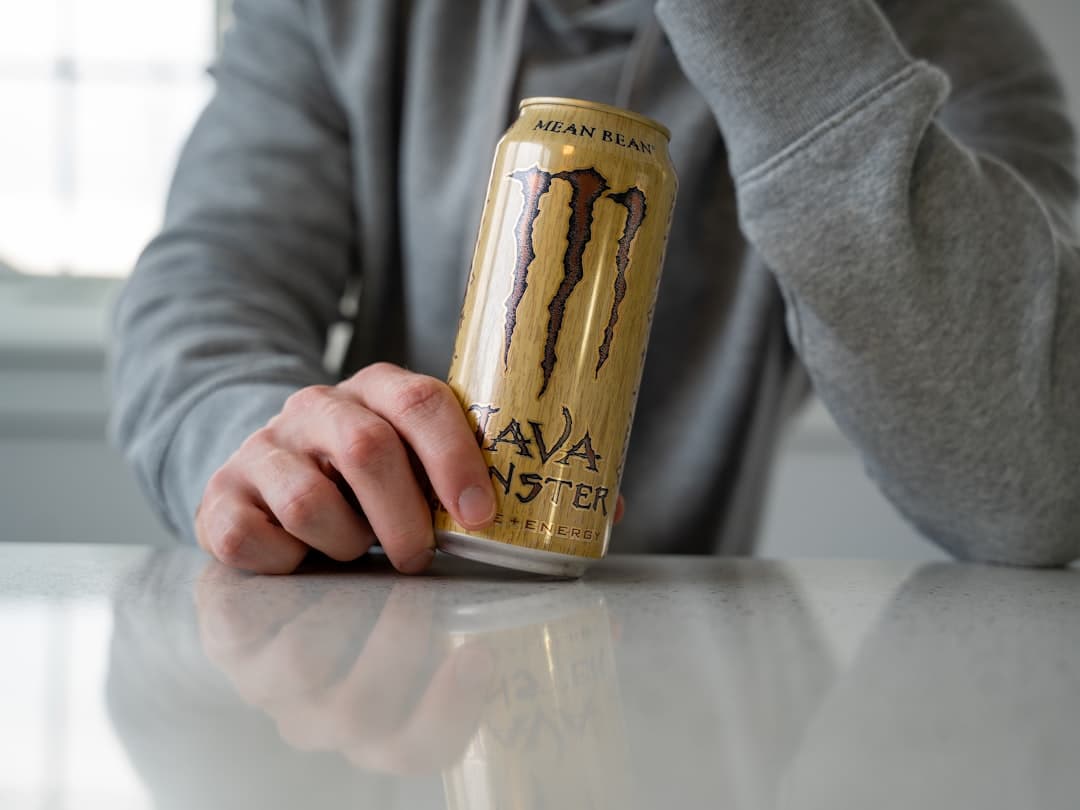
Energy drinks are not automatically “toxic,” but the practical risk is how easily they can disrupt sleep, increase jitteriness, and, in some people, contribute to heart rhythm symptoms. The video’s core perspective is blunt: an occasional energy drink is probably not a big deal for a young, healthy person, but widespread overconsumption is harming sleep and mental health at a population level. It also pushes back on sensational headlines about taurine and “turbocharged cancer,” pointing out the gap between mouse studies in specific cancers and everyday human use. The most actionable takeaway is to treat energy drinks like a performance tool, not a default beverage, and to protect sleep on purpose.

Weaponized Incompetence and Your Mental Load
Cognitive Health

Weaponized Incompetence and Your Mental Load

Is someone truly “bad at chores”, or are they avoiding responsibility? Weaponized incompetence describes a pattern where a person performs simple tasks poorly (or claims they cannot do them) so someone else takes over. This video frames it as a responsibility and power dynamic problem, not a skill problem, and shows how it fuels resentment, mental load, and distrust in relationships, families, and workplaces. You will learn common signs, why it happens (including discomfort avoidance and perfectionism), and how to respond with respectful call-outs, boundaries, and letting go of doing things “your way.”

Lower Resting Heart Rate for Better Sleep Quality
Sleep Health

Lower Resting Heart Rate for Better Sleep Quality

A striking claim in the video is that the strongest predictor of nighttime sleep quality is resting heart rate, and that “everything” is aimed at lowering beats per minute. The speaker links a lower resting heart rate with falling asleep in 1 to 3 minutes, averaging over 2 hours of REM and 2 hours of deep sleep, and being awake less than 30 minutes per night. This article investigates that viewpoint, explains why heart signals like resting heart rate and *heart rate variability* may track recovery, and offers practical, non-prescriptive ways to experiment safely. If you have heart symptoms or take heart-related medications, involve a clinician.

Exploring Kratom's Health Impacts: Insights from Dr. Chris McCurdy
Cognitive Health

Exploring Kratom's Health Impacts: Insights from Dr. Chris McCurdy

Dr. Chris McCurdy, a medicinal chemistry expert, provides an in-depth look at kratom, a plant-based compound with rising popularity. The discussion covers its traditional use, effects on the nervous system, potential for addiction, and its role in aiding opioid withdrawal. McCurdy emphasizes the importance of understanding product variations and their impacts. Supported by research from NIH, this exploration offers valuable insights into kratom's complex nature.

Maximizing Daily Productivity and Health with Expert Tools
Cognitive Health

Maximizing Daily Productivity and Health with Expert Tools

In the 'Huberman Lab Essentials' video, Andrew Huberman shares actionable science-based tools to enhance mental and physical health and productivity. Starting with morning routines like walking and sunlight exposure, he outlines a day structured around optimal times for focus, exercise, and rest. Huberman emphasizes hydration, strategic caffeine intake, and dietary choices that align with natural biological rhythms. His approach is supported by research on the benefits of daylight exposure and structured work periods, offering a practical guide to improving daily life.


Mastering Sleep: How Entrepreneurs Can Boost Health and Mood
Sleep Health

Mastering Sleep: How Entrepreneurs Can Boost Health and Mood

The video emphasizes the critical link between poor sleep and mood disorders, particularly in entrepreneurs. It offers practical steps to improve sleep, such as maintaining consistent sleep schedules, reducing blue light exposure, and managing caffeine intake. These adjustments could lead to better mood and overall health, backed by scientific research.

Understanding the Vagus Nerve: Science-Backed Insights
Cognitive Health

Understanding the Vagus Nerve: Science-Backed Insights

The vagus nerve, or cranial nerve 10, is a critical component of the nervous system, impacting mood, alertness, and neuroplasticity. Dr. Andrew Huberman delves into its complex pathways and functions, highlighting recent advancements that reveal how non-invasive stimulation can enhance cognitive health. This article explores the nerve's dual sensory and motor functions, offering science-backed methods to harness its benefits.

Enhancing Lymphatic Health for Better Sleep and Appearance
Sleep Health

Enhancing Lymphatic Health for Better Sleep and Appearance

In a recent Huberman Lab podcast, Andrew Huberman delves into the role of the lymphatic system in overall health, particularly its impact on sleep and appearance. The lymphatic system, though often overlooked, is crucial for clearing waste from the body, which can affect how you look and feel. Huberman emphasizes the importance of movement and specific practices to support lymphatic function, providing insights into how these can improve both immediate and long-term health. This article explores these concepts, supported by research on lymphatic health and its implications.

Exploring the Cognitive Health Benefits of Religion with Dr. David DeSteno
Cognitive Health

Exploring the Cognitive Health Benefits of Religion with Dr. David DeSteno

In this insightful discussion with Dr. David DeSteno, a renowned psychologist at Northeastern University, we explore the cognitive health benefits of religious belief. Contrary to the common perception that science and religion are at odds, Dr. DeSteno presents compelling data showing how religious practices can enhance mental and physical well-being. This article delves into the mechanisms behind these benefits, such as increased empathy and reduced anxiety, and considers how individuals can integrate these insights into their lives for improved health outcomes.

Unlocking Brain Health: Habits of Successful People
Cognitive Health

Unlocking Brain Health: Habits of Successful People

Most people think brain health is about a supplement, an app, or a single “hack.” The video’s perspective is different: you are likely sabotaging your brain in ordinary, repeatable ways, and the fix is a set of daily habits that high performers treat like nonnegotiables. This article walks through the seven habits highlighted in the video, sleep, continuous learning, exercise, stress management, healthy relationships, brain-supportive nutrition, and reframing failure as feedback. You will also get practical ways to start today, plus research-backed context for why these habits matter.

Exercising After Poor Sleep: Insights and Precautions
Sleep Health

Exercising After Poor Sleep: Insights and Precautions

If you slept poorly for one night, exercising can still make sense, as long as you treat it like a “safe, scaled” session. The key idea is that movement may help offset some brain-related downsides of short-term sleep loss, but it should not become your go-to strategy for chronic sleep deprivation. Keep intensity moderate, simplify coordination-heavy moves, and watch for injury and illness risk. If poor sleep is frequent, the priority shifts back to fixing sleep and adjusting training volume rather than trying to out-train fatigue.

Mastering Cortisol for Better Energy and Sleep
Adaptogens

Mastering Cortisol for Better Energy and Sleep

Most people hear “control cortisol” and assume it means nonstop stress reduction. The presenter’s perspective is different, cortisol is not the enemy, timing is. The goal is high cortisol soon after waking to support morning and daytime energy, then very low cortisol in the evening to protect early-night deep sleep. He prioritizes bright light exposure, hydration, and exercise early in the day, and he explains why caffeine and cold exposure stop boosting cortisol once you do them regularly. That tolerance also explains why some people can drink afternoon caffeine and still fall asleep, yet still experience subtle sleep disruption. He also highlights lesser-known tools, licorice root can strongly raise cortisol, and grapefruit can slow cortisol breakdown by inhibiting enzymes. Because these can interact with medications and certain conditions, he emphasizes caution and individualized decision-making with a clinician.

Unlocking the Science of Sleep: How Much Do We Truly Need?
Sleep Health

Unlocking the Science of Sleep: How Much Do We Truly Need?

Most adults have heard “get eight hours,” but the clinicians in this discussion push a more evidence-based range: about seven to nine hours for most adults, with consistent short sleep being the clearest red flag. They highlight that regularly getting under six hours is linked with higher risks of metabolic and cardiovascular problems, while routinely sleeping more than nine hours can also correlate with health issues and sometimes signals something else is going on. The conversation digs into why sleep matters beyond feeling rested, including memory consolidation, toxin clearance in the brain, immune effects, metabolism, and tissue regeneration. They also explain sleep stages in roughly 90-minute cycles, why waking during deep sleep can cause sleep inertia, and why “sleeping in” to repay weekday sleep debt often falls short. Practical sleep hygiene steps, like avoiding caffeine 8–12 hours before bed and keeping the room cool and dark, round out their approach.

Have a health question?

Ask Clara, our AI health assistant, for personalized guidance.

Ask Clara

We use cookies to provide the best experience and analyze site usage. By continuing, you agree to our Privacy Policy.