Healthy Flux – Metabolism & Weight Editorial Desk

Editorial DeskEvidence-Based Content

This content is produced by the Healthy Flux Metabolism & Weight Editorial Desk. Articles are curated from peer-reviewed research, clinical guidelines, and expert medical sources, then reviewed under our editorial standards. Content is educational and not a substitute for professional medical advice.

42articles produced
4health topics
Metabolic HealthIntermittent FastingWeight LossObesity Management

Articles Produced by This Editorial Desk

10-Minute Post-Meal Walks to Tame Glucose Spikes
Metabolic Health

10-Minute Post-Meal Walks to Tame Glucose Spikes

Ever eat a carb-heavy meal and feel the crash, fog, or sudden hunger not long after? This video’s core idea is refreshingly simple: your muscles can “eat” the sugar when you walk after you eat. As your legs, arms, and torso contract, they demand energy, and a fast source is glucose circulating in your bloodstream. A systematic review and meta-analysis is cited to support the point that a single bout of continuous aerobic exercise, like walking, can reduce post-meal glucose compared with resting. The practical takeaway, 10 minutes is enough to make a meaningful difference for many people.

Weighted Vests for Weight Maintenance After 40
Weight Loss

Weighted Vests for Weight Maintenance After 40

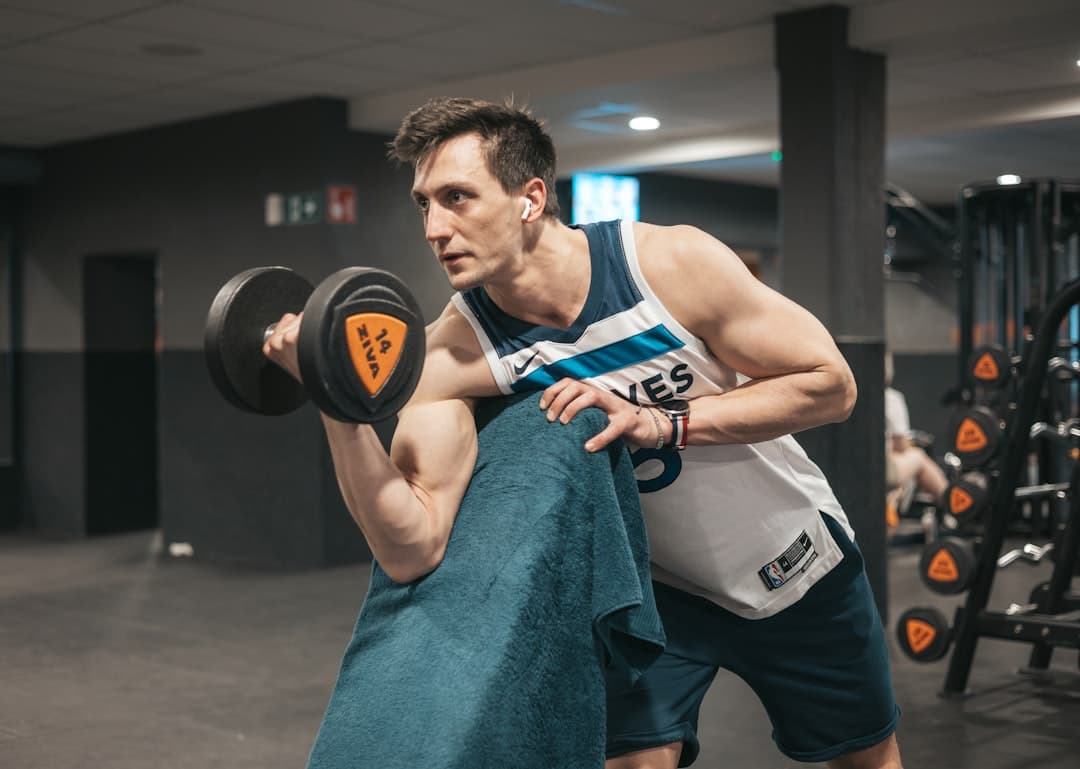
Keeping weight off after 40 can feel harder than losing it, especially when your resting metabolism drops and hunger and plateaus show up. The video’s core idea is surprisingly practical: use a weighted vest during parts of the day to “add back” a small amount of load you lost, so your body may burn a bit more energy during everyday movement (NEAT), without adding more workouts or cardio. The approach is meant to support long-term maintenance alongside high-protein eating, resistance training, and step tracking. Start light, build slowly, and get medical clearance if you have joint or bone concerns.

Blood Work You Need in 2025: GlycA and Inflammation
Metabolic Health

Blood Work You Need in 2025: GlycA and Inflammation

A recurring theme in the video is that a single inflammation marker can be misleading. The practical upgrade for 2025 is pairing **hs-CRP** (a broad, fast-moving signal) with **GlycA** (a more stable, NMR-based composite marker tied to glycosylation patterns on acute-phase proteins). The discussion connects this combo to cardiovascular risk, chronic inflammatory conditions, and real-world lab interpretation, including a case example with CRP around 3 and GlycA near 400. The video also touches on high ferritin as a possible metabolic inflammation signal, movement as a lever for fibrinogen, and what to watch in kidney health labs.

Why Hip Labral Tears Hurt, And What Helps Most
Metabolic Health

Why Hip Labral Tears Hurt, And What Helps Most

If your MRI says “labral tear,” it is easy to assume surgery is the only answer. This video’s core idea is different: the tear itself is often not the main driver of pain, inflammation is. Many people have labral tears with no symptoms, so treatment should focus on calming the inflammatory “fire,” improving mechanics, and strengthening hips and core. Options range from targeted physical therapy to image guided injections (steroid, ketorolac, viscosupplementation, PRP). Surgery can help in select cases, but arthritis and overall hip health change the decision.

Bryan Johnson’s Sauna Detox Experiment at 200°F
Metabolic Health

Bryan Johnson’s Sauna Detox Experiment at 200°F

Going from zero sauna to 200°F for 20 minutes daily sounds simple, until it flattens you. In this Bryan Johnson Podcast episode, the team treats sauna like a real experiment: baseline labs, central blood pressure tracking, sweat rate and electrolyte planning, plus toxin and mitochondrial testing. The unique twist is not just “sauna is good,” it is how intensity, timing (right after hard exercise), and hydration strategy can make sauna feel disruptive at first, including sleep issues and cramps. The early data they highlight is a fast improvement in central blood pressure metrics after seven sessions, alongside a careful discussion of detox claims and safety.

A Simple Time-Restricted Eating Trick for Better Sleep
Intermittent Fasting

A Simple Time-Restricted Eating Trick for Better Sleep

Many people ask, “If I eat the same calories, does meal timing really matter for sleep?” The video’s answer is yes, it can. It highlights a randomized, isocaloric feeding study in 41 adults with obesity and prediabetes comparing a 10-hour time-restricted eating window (8 a.m. to 6 p.m.) with a longer, usual pattern (8 a.m. to midnight). After 12 weeks, the early time-restricted group showed better actigraphy-measured sleep, including longer sleep and an earlier sleep midpoint by about 44 minutes. The practical takeaway is to set consistent “start and stop” times for eating, especially earlier in the day.

Cardio vs Strength Training for Healthy Aging
Metabolic Health

Cardio vs Strength Training for Healthy Aging

You know you should exercise, but the real question is what kind matters most as you age. This video’s unique lens is that skeletal muscle acts like an endocrine organ, releasing thousands of proteins that signal throughout the body. A highlighted study compared long-term endurance athletes, strength athletes, and sedentary adults, and found major differences in the muscle proteome, especially in proteins tied to mitochondrial function. The practical takeaway is not “cardio only” or “weights only,” it is a hybrid approach, with strength training plus endurance work, and time-efficient methods like supersets.

Master Sleep First for Better Metabolic Health
Metabolic Health

Master Sleep First for Better Metabolic Health

Many people try to “fix” metabolism with diet and workouts first, but this video argues for a different order: master sleep, then adjust food, then add exercise. The key idea is that certain pre-bed behaviors, like scrolling on your phone, eating late, starting a fight, or doing anything mentally arousing, can wreck sleep. Once sleep is steadier and more on-time, it may become easier to chip away at nutrition and activity changes because energy, cravings, and consistency often improve.

Meal Timing for Women: Post-Workout Window Matters
Metabolic Health

Meal Timing for Women: Post-Workout Window Matters

This video focuses on a surprisingly specific risk for active women: not just how much you eat, but when you eat, especially after training. The core idea is that delaying food post-workout can signal “low energy availability” to the brain even if total daily calories are adequate. In a 2019 study discussed in the video, women who ate enough overall but left a long post-exercise gap still developed menstrual cycle and hormone dysfunction. The practical takeaway is to treat the post-workout window as tighter for women, mainly to reduce low-energy signaling that may be linked with lean mass loss and fat gain.

Bryan Johnson’s Biomarker Playbook for Metabolic Health
Metabolic Health

Bryan Johnson’s Biomarker Playbook for Metabolic Health

If you have ever gotten lab results back and felt both proud and confused, this perspective offers a different way to think, measure, and act. The core idea is simple but intense: measure the body broadly, treat biomarkers like a scoreboard, and use changes over time to judge whether a habit or therapy is helping. The conversation also treats sperm health as a surprisingly useful window into whole-body metabolic health, inflammation, hormones, and mitochondrial function. The goal is not perfection in one number, it is coherence across many systems at once.

A 9,000-Step Habit That May Extend Your Life
Metabolic Health

A 9,000-Step Habit That May Extend Your Life

Most people assume longevity requires a perfect diet or intense workouts. This video argues for something simpler and more measurable: walking, specifically aiming for about 9,000 steps per day, especially if you have high blood pressure. Using NHANES data and wearable step tracking, the highlighted study found strong links between higher daily steps and lower risk of death from all causes and from cardiovascular disease, even after adjusting for income, education, age, and other factors. The practical twist is “exercise snacks”, short walks spread across the day, including after meals, to reduce sitting time and support metabolic flexibility.

Lipedema Treatment Options: From Compression to Surgery
Obesity Management

Lipedema Treatment Options: From Compression to Surgery

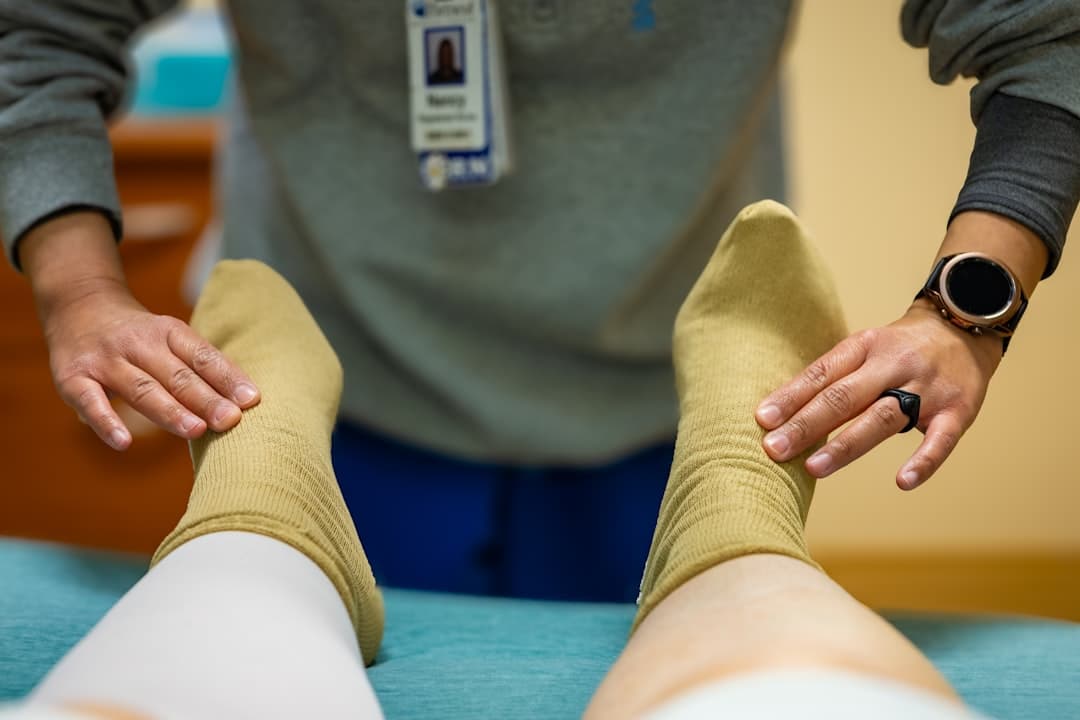
Lipedema is not “just obesity.” The core message from this discussion is practical: conservative care can help symptoms, but many people eventually need specialized procedures, most often liposuction techniques designed to spare lymphatics. The goal is not only appearance, it is pain relief and better mobility. The conversation also highlights real-world nuances, like post-procedure swelling that can be hard to interpret, and the frustrating reality that lipedema fat often responds poorly to diet, bariatric surgery, and GLP-1 medications compared with typical obesity fat. The best outcomes usually come from clinicians who truly specialize in lipedema.

Muscle Health for Longevity, Metabolism, and Brain Power
Metabolic Health

Muscle Health for Longevity, Metabolism, and Brain Power

This article unpacks Dr. Gabrielle Lyon’s muscle-centric medicine perspective, the idea that skeletal muscle is not just for aesthetics, it functions like a powerful health organ that shapes aging, metabolism, and even cognitive speed. The discussion links stronger muscles with better survivability, highlights why muscle becomes more “anabolic resistant” with age, and explains practical levers: resistance training (at least 2 days, ideally 3), weekly high intensity intervals for cognitive velocity, and protein targets closer to 1 gram per pound of ideal body weight. It also covers creatine (5 g for strength, 10 to 12 g for cognition) and fish oil as brain and muscle supports.

ER Lessons From The Pitt Ep. 5: Safety, Seizures, Stress
Metabolic Health

ER Lessons From The Pitt Ep. 5: Safety, Seizures, Stress

Most people think emergency care is about heroic speed. This episode reaction argues it is about controlled urgency, airway protection, and preventing avoidable mistakes. The commentary walks through a prolonged seizure treated with escalating lorazepam, why sharp safety and eye protection matter, and how skin infections can hide deeper problems. It also highlights caregiver fatigue as a medical risk, why early intubation can be safer in severe respiratory failure, and how post tonsillectomy bleeding can rapidly threaten the airway. The episode’s reproductive health storyline raises real issues about ultrasound variability, documentation ethics, and how laws shape care access.

High LDL for a Good Reason: Inflammation-Lipid Link
Metabolic Health

High LDL for a Good Reason: Inflammation-Lipid Link

A surprising pattern shows up in some people: glucose and A1C look fine, diet seems “clean,” yet triglycerides and LDL are high. This video’s core idea is that inflammation can push lipids upward, sometimes as a compensatory response, not just from carbs or inactivity. The discussion connects immune signals like TNF-alpha to higher VLDL and remnant particles, uses pediatric burn recovery as a vivid example of long-lasting inflammation-driven insulin resistance, and frames abdominal fat as “meta-inflammation” that shifts immune cells toward a more inflammatory state. Practical next steps focus on lowering inflammatory tone through movement, sleep, and targeted lab review with a clinician.

Post-Workout Nutrition Timing for Women Explained
Metabolic Health

Post-Workout Nutrition Timing for Women Explained

If you have ever finished a workout and wondered whether you really need to eat right away, this video’s perspective is clear: women often have a tighter post-exercise nutrition window than men. The key point is not just muscle building. It is also about how the brain and hormones interpret delayed eating, potentially extending a breakdown state and cortisol signaling. A practical takeaway is to aim for protein plus some carbohydrate within about 30 to 45 minutes after training, especially after harder sessions, to support recovery and reduce low-energy signals.

Huberman’s Guide to Time-Restricted Eating for Health
Intermittent Fasting

Huberman’s Guide to Time-Restricted Eating for Health

Time-restricted eating is not just about eating less, it is about creating daily stretches of time when your body can shift from growth mode to repair mode. In this Huberman Lab Essentials perspective, the biggest wins come from a consistent 7 to 9 hour eating window, avoiding food for at least 1 hour after waking, and finishing calories 2 to 3 hours before bed. You will also learn why late-night eating can disrupt metabolic health, how light walking after meals can speed “glucose clearing,” and why a gradual transition over 3 to 10 days can make the plan easier to sustain.

Jeff Nippard’s 365-Day Leg Workout, Explained
Metabolic Health

Jeff Nippard’s 365-Day Leg Workout, Explained

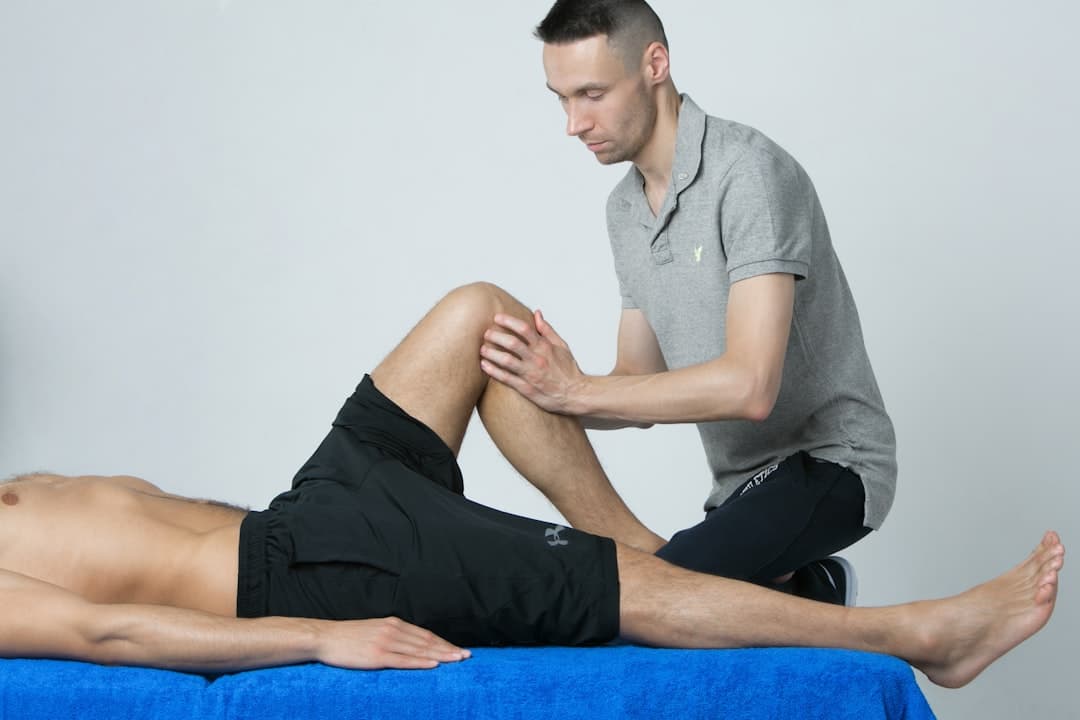
Most leg routines fail because they chase fatigue, not tension in the right places. This article investigates the exact leg workout Jeff Nippard says he followed for 365 days straight, and why the order, cues, and “last-set tactics” matter. You will learn why he starts with lying leg curls to make squats feel better, how he overloads quads with a pendulum squat (or smart substitutes), how he hinges RDLs without turning them into squats, and why leg extension setup can change quad stimulus. You will also get practical form checks, progression ideas, and knee-friendly options.

Bird Flu Headlines vs Metabolic Health Reality Check
Metabolic Health

Bird Flu Headlines vs Metabolic Health Reality Check

A single H5N1 bird flu death made national headlines, and the video argues that the bigger, quieter emergency is metabolic disease. The core idea is not that infectious threats do not matter, but that poor metabolic health can raise the odds of severe illness when new pathogens appear. The discussion highlights media incentives, ultra-processed food marketing, and policy choices that can make unhealthy options cheaper and easier than healthy ones. The practical takeaway is to focus on daily actions that improve metabolic health, like walking more, eating mostly minimally processed foods, prioritizing protein, and protecting sleep.

Lower Your Pre-Bed Heart Rate for Better Sleep
Metabolic Health

Lower Your Pre-Bed Heart Rate for Better Sleep

Resting heart rate before bed is framed here as a powerful, practical marker you can influence nightly. The idea is simple: when your heart rate stays elevated at bedtime, sleep often suffers. The video’s approach focuses on three levers that are easy to test, meal timing (finish your last meal at least four hours before bed), a screen-free wind-down, and a 60-minute calm-down routine. The payoff is bigger than sleep alone. Better sleep can make exercise feel easier, and exercise can support healthier food choices, creating a positive loop.

Morning vs Evening Exercise: Sleep, Fat Loss, Muscle
Metabolic Health

Morning vs Evening Exercise: Sleep, Fat Loss, Muscle

Most people argue about whether morning or evening workouts burn more fat, but this video’s unique angle is different: exercise timing is also a circadian signal, and consistency may be the real lever for better sleep and better results. The discussion highlights skeletal muscle as a “bottom-up” feedback mechanism that can reinforce your body clock, alongside “top-down” signals like light. Morning training often advances circadian rhythm and may make sleep more reliable, especially for people with insomnia-like patterns, older adults, and perimenopausal women. You will also learn practical timing tips for caffeine, creatine, and realistic weekly routines.

Upper Body Training Lessons From a 365-Day Plan
Metabolic Health

Upper Body Training Lessons From a 365-Day Plan

Most people think an “upper body transformation” comes from constantly changing exercises, chasing a muscle pump, or doing only machines for “perfect” form. This 365-day approach argues almost the opposite: pick a small set of high-value lifts, standardize technique, and push hard, consistently, often to failure on the last set. The journey centers on incline barbell pressing, seated cable flys, weighted pull-ups, high cable lateral raises, deficit Pendlay rows, overhead cable triceps extensions, and cable curls. Along the way, it challenges common misconceptions about “feeling” muscles, stability, and what progressive overload really means.

Best and Worst Glute Exercises, Ranked by Science
Metabolic Health

Best and Worst Glute Exercises, Ranked by Science

Most people chase glute growth with trendy “burn” moves that are hard to overload and barely challenge the glutes when they are stretched. This video’s core message is simple: the best glute exercises combine high tension, a useful range of motion (often including a stretch), comfort for your hips and back, and clear progression over time. You will learn which moves land in S tier (like walking lunges, machine hip abductions, and 45° back extensions), which are solid but imperfect (like hip thrusts and squats), and which are mostly warm-ups (like donkey kicks and fire hydrants).

Seated Cable Deadlift: A Stable Glute Builder
Metabolic Health

Seated Cable Deadlift: A Stable Glute Builder

A common frustration with deadlifts is feeling your lower back or quads more than your glutes. This video’s unique takeaway is that sitting down can make hinging feel better, not worse. The seated cable deadlift uses a cable stack and a lap pulldown bar to create extra stability, which may help you “connect” with your glutes and hamstrings and chase a strong glute pump. The approach also highlights a practical perk: you can often lower a bit further than a barbell deadlift because there are no plates hitting the floor. Single-leg variations can help address left to right differences without balance being the limiting factor.

Is BMI Useless? A Practical, Nuanced Look
Obesity Management

Is BMI Useless? A Practical, Nuanced Look

BMI is not useless, but it is incomplete. The key idea is that BMI can track population risk and sometimes guide clinical decisions (especially before major surgery), yet it can mislead individuals because it cannot show where fat is stored, how much is muscle, or how ethnicity affects risk. This video’s perspective is practical: use BMI as a quick screening tool, not a personal verdict. Pay more attention to visceral fat, waist to hip ratio, and overall health habits like exercise, diet quality, sleep, and stress management, which can meaningfully shift risk even if BMI changes slowly.

MrBeast vs Calories: A Quick Fat Loss Reality Check
Metabolic Health

MrBeast vs Calories: A Quick Fat Loss Reality Check

A short, game-show style quiz about MrBeast’s “100 lb weight loss challenge” reveals a surprisingly useful fat loss lesson: the basics beat the hype. The questions circle around calories vs carbs, “fat burner” pills vs exercise, when abs show up, and how to stay full and protect muscle while dieting. This article unpacks the why behind those answers, adds a few evidence-based guardrails, and turns the video’s punchy moments into practical, realistic next steps you can discuss with your clinician.

Post-Workout Fueling to Prevent Low Energy in Women
Metabolic Health

Post-Workout Fueling to Prevent Low Energy in Women

Low energy availability happens when nutrition intake does not cover both exercise energy use and basic body functions, including endocrine health. The video’s key point is that for women, timing matters as much as total calories. Delaying food after training can signal “not enough energy” to the brain, even if daily calories are adequate. A 2019 study highlighted in the video found menstrual and hormone dysfunction when calories were “bookended” earlier and later in the day with a long post-exercise gap. Practical takeaway: prioritize timely post-workout fueling to reduce low-energy signaling and support body composition and cycle health.

The #1 Reason to Take Fish Oil, According to Your Brain
Metabolic Health

The #1 Reason to Take Fish Oil, According to Your Brain

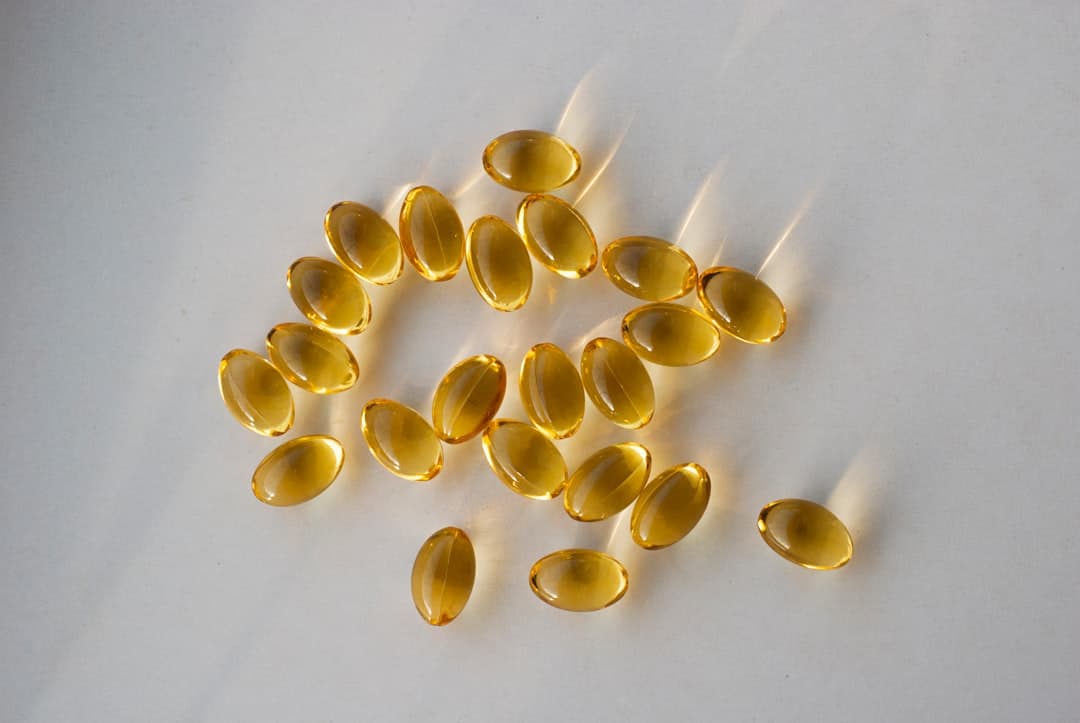
Most people treat fish oil like a generic supplement, but this video’s core argument is different: you should not guess. The concern is long, silent brain decline driven by chronic, low-grade inflammation and low omega 3 levels in cell membranes. The practical solution is to measure fatty acids first, especially the omega 6 to omega 3 ratio and the omega 3 index (EPA plus DHA in red blood cell membranes), then adjust food choices and supplementation based on your baseline. The video also flags trans fats and a high palmitic acid index as key markers tied to metabolic dysfunction and brain risk.

The Worst Workout Myth, You Need an Hour to See Results
Metabolic Health

The Worst Workout Myth, You Need an Hour to See Results

Many people skip strength training because they think workouts must last an hour to “count.” The video challenges that myth with a time-efficient approach: full-body training 2 times per week, doing just one truly hard set per exercise. The striking point is that even experienced trainees in a new study built muscle with this minimal structure. The practical takeaway is not to do less effort, but to do less volume while keeping intensity high. If you can commit to about 30 minutes, 2 to 3 times weekly, you may still make meaningful progress in strength, health, and physique.

Don’t Die, AI, and Metabolic Health: A Practical Plan
Metabolic Health

Don’t Die, AI, and Metabolic Health: A Practical Plan

If you feel like health advice is endless, conflicting, and easy to ignore, this video offers a blunt reframe: treat modern life as a constant experiment, then run a better one. The “Don’t Die” perspective argues that sleep comes first, food and exercise follow, and data should drive decisions, possibly with AI support when complexity exceeds human bandwidth. The goal is not perfection or a miracle cure, it is systematically removing what increases risk. This article translates the video’s most practical ideas into steps you can try, plus safety notes and research context.

Leg Strength First: 10 Moves to Stay Steady With Age
Metabolic Health

Leg Strength First: 10 Moves to Stay Steady With Age

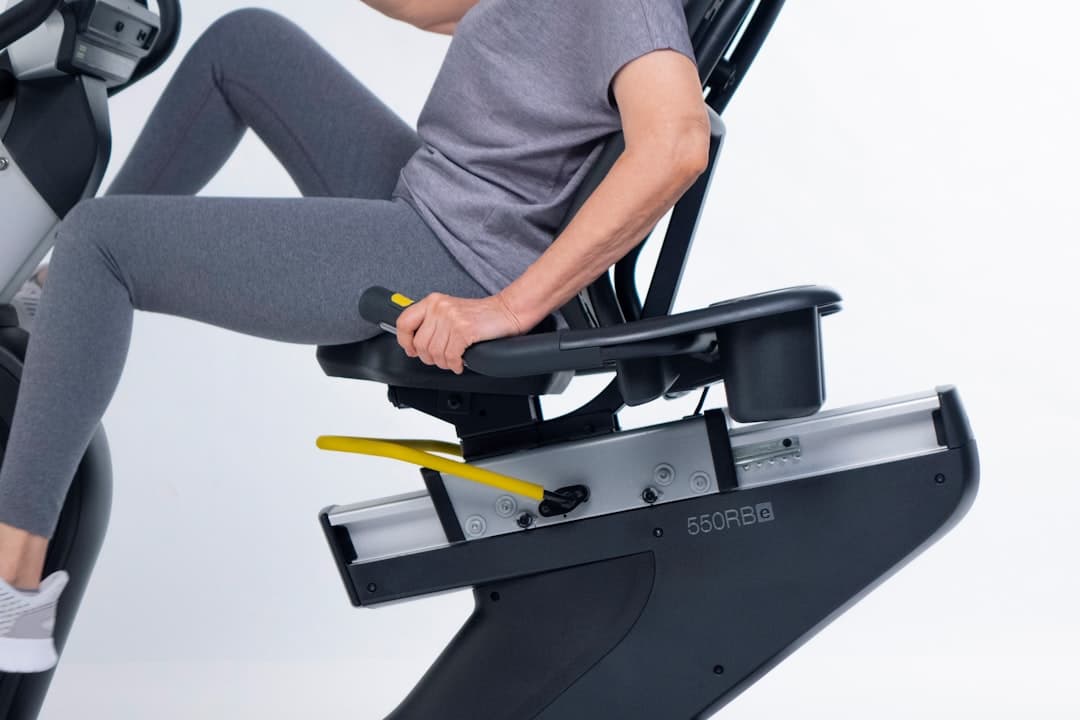
Legs often weaken early with aging, and the real danger is not just smaller muscles, it is slower balance, coordination, and reaction time. This video’s approach treats leg training as a fall prevention plan: build strength, practice balance under control, and use progressions that match your current ability. You will learn 10 exercises, from calf raises and chair squats to step-ups and lunges, plus form cues like keeping knees and toes aligned and loading the heels. The goal is simple: train the muscles and the brain together, safely, and consistently.

Not Moving: The 24-Hour Slide Into Body Breakdown
Metabolic Health

Not Moving: The 24-Hour Slide Into Body Breakdown

This video’s core idea is blunt: your body is built to move, and when movement drops, multiple systems start downshifting quickly, not just your waistline. The discussion connects bed rest and “coma-level” inactivity to everyday sedentary living, arguing the same degeneration happens on a slower timeline. It emphasizes muscle protein turnover, loss of neuromuscular timing, and a brain that is largely fed by movement, posture, and gravity signals. The practical takeaway is not “burn more calories,” but “create more signals,” through frequent, varied movement, plus supportive nutrition to reduce inflammation and improve mobility.

Avoid Late HIIT: The 4-Hour Sleep Recovery Rule
Metabolic Health

Avoid Late HIIT: The 4-Hour Sleep Recovery Rule

Most people assume a hard workout helps them “crash” at night. This perspective challenges that idea: high-intensity training within 4 hours of bedtime may delay sleep onset, shorten sleep, lower sleep quality, raise resting heart rate, and reduce HRV, all of which can undermine recovery. The practical takeaway is not to avoid movement at night, but to reserve evenings for lower-intensity options like a light walk, stretching, breath work, or meditation. If your schedule allows, shifting intense sessions earlier, even to the morning, may support better sleep and next-day readiness.

Natural Remedies Doctors Actually Use at Home
Metabolic Health

Natural Remedies Doctors Actually Use at Home

You are up at night with a cough, your stomach feels off, or your head is pounding, and you are wondering if there is anything natural that is worth trying. This article follows a specific, doctor-to-doctor roundup of remedies clinicians say they personally reach for, plus the key safety boundaries that make them smarter to use. You will learn when honey can help a nighttime cough, how alcohol swabs and ginger may ease nausea, what cranberry products are really for, and why sleep and movement are framed as the most powerful “home remedies” for whole-body health.

Science-Based Lifting: What Matters, What’s Hype
Metabolic Health

Science-Based Lifting: What Matters, What’s Hype

Is “science-based lifting” actually under attack, or is it being corrected? This article investigates the video’s core claim: many popular “science-based” rules are overstated, while the true foundations are simpler, train hard (close to failure), do enough weekly sets, and stay consistent. We unpack why slow negatives are not magic, why endless technique tweaks rarely move the needle, and why “optimal exercises” are often based on indirect evidence. You will also get practical guardrails for effort, volume, and sustainability, plus safety notes for training close to failure.

2023 Death Stats: The Metabolic Health Wake-Up Call
Metabolic Health

2023 Death Stats: The Metabolic Health Wake-Up Call

Most people focus on the health threat that feels most immediate, like catching a virus on a plane, while ignoring the slow-burn risks that quietly dominate the statistics. This video’s core argument is simple but provocative: in 2023, heart disease and cancer remained the biggest killers, and the shared roots often trace back to metabolic health, insulin resistance, and chronic inflammation. Using late-released provisional US mortality data, the discussion highlights rising cardiovascular and cancer deaths, odd age-group shifts since 2020, and a practical takeaway, align daily habits with the risks most likely to shorten life.

Grow Upper Traps With Overhead L-Raises and Shrug-Rows
Metabolic Health

Grow Upper Traps With Overhead L-Raises and Shrug-Rows

Upper traps can be stubborn, and the video’s core idea is that classic shrugs may miss the best stimulus for some people. Instead, it emphasizes loading the traps when the arms are overhead (with an overhead cable L-raise) and thickening the zone between the mid and upper traps (with a high incline dumbbell shrug-row). This approach is practical: pick angles that feel strong, create big tension, and use a clear squeeze-and-stretch rhythm. Because trap training also interacts with neck and shoulder mechanics, thoughtful setup and symptom awareness matter.

Casey Means, Media Backlash, and Metabolic Health Focus
Metabolic Health

Casey Means, Media Backlash, and Metabolic Health Focus

Most coverage treats this nomination like a personality story, a “wellness influencer” versus “real public health.” The video argues that framing misses the central issue, metabolic dysfunction is now the dominant health problem in the US, and a Surgeon General who prioritizes metabolic health could be a meaningful shift. The discussion contrasts Casey Means with prior Surgeon General messaging during the pandemic, critiques media “smear” narratives, and highlights flashpoints like raw milk, vaccine liability, and conflicts of interest. It also includes a supplement pitch for berberine to curb evening cravings, which deserves careful, evidence-based context.

Boost Leg Strength Naturally: 10 Essential Foods to Include
Metabolic Health

Boost Leg Strength Naturally: 10 Essential Foods to Include

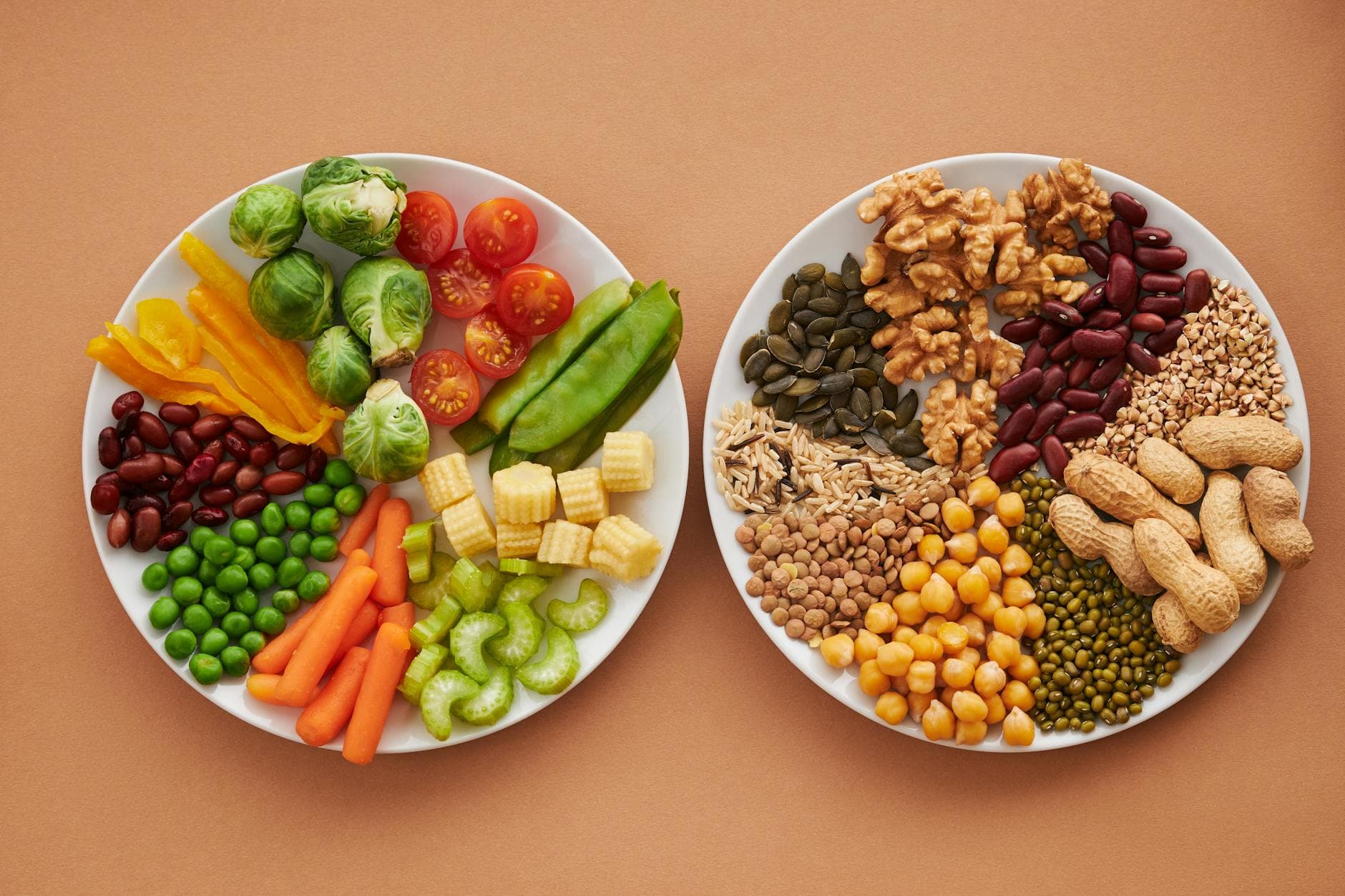
Many people search for a single “magic” nutrient for leg strength, but the presenter argues that approach misses the real problem. Legs often weaken first with age, raising fall risk, hip fractures, and loss of mobility that can spiral into brain decline. His core message is that strong legs require two inputs: exercise as the signal, and food as the building materials plus metabolic support. That means prioritizing foods that provide high-quality protein, essential fats, vitamins and minerals, and also reduce inflammation and support the gut-brain axis for clean neuromuscular signaling. He highlights 10 foods, from whole eggs and fatty fish to yogurt, bone broth, vegetables, nuts, legumes, berries, and avocado, with a strong emphasis on food quality and carbohydrate tolerance. The goal is strength plus balance and coordination, not just bigger muscles.
I Halved My Workouts: Low Volume, High Intensity on a Cut
Metabolic Health

I Halved My Workouts: Low Volume, High Intensity on a Cut

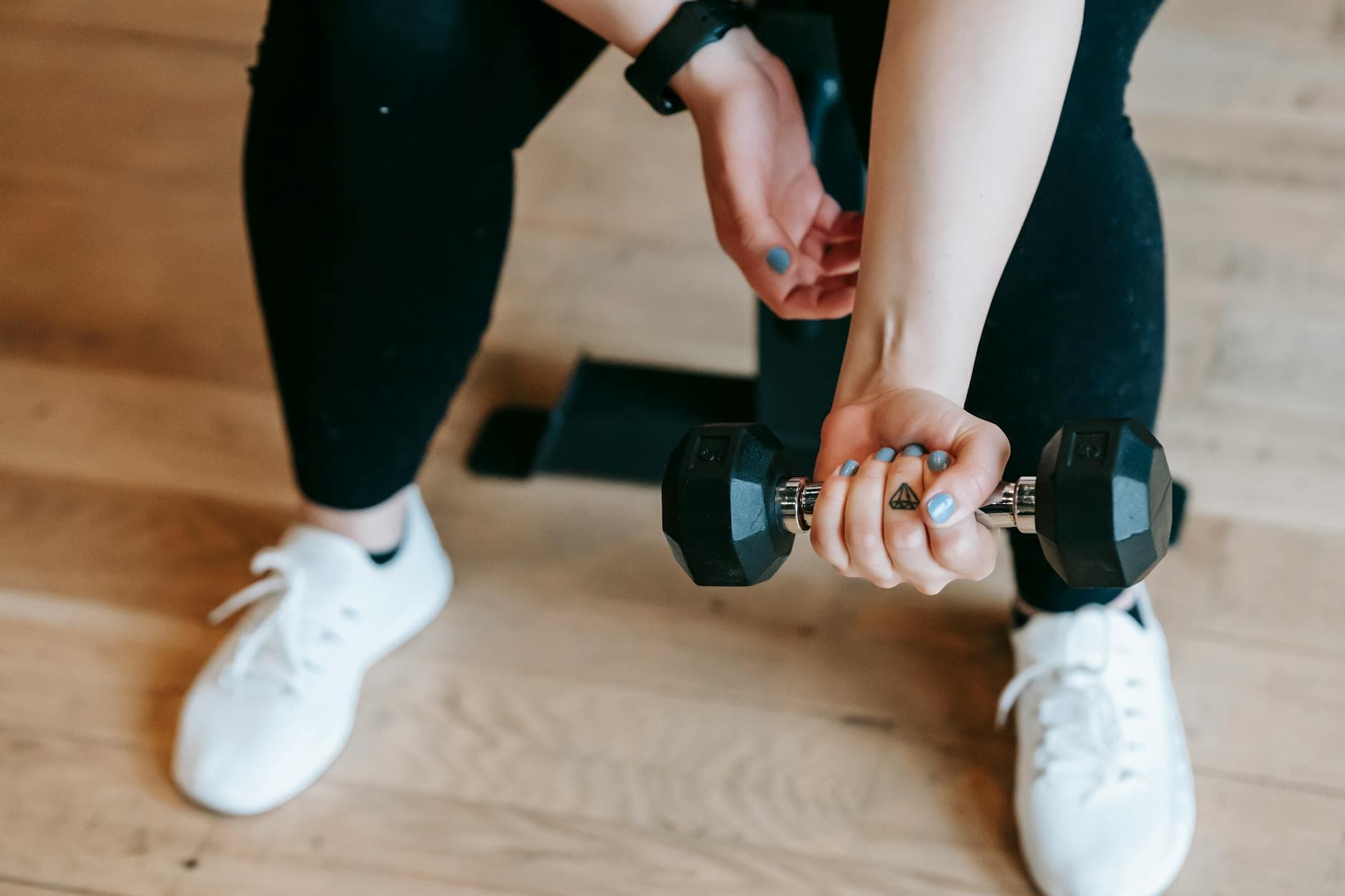
Many lifters feel trapped by long, draining workouts, especially while dieting. In this 100-day experiment, the video’s creator cut training volume from three to four sets per exercise down to one all-out set, sometimes two, while cutting body fat. He tracked results with standardized strength tests, progress photos, and three DEXA scans, then compared his experience to the volume-focused research. His key insight is practical rather than extreme: higher volume often builds more muscle on average, but recovery drops during a calorie deficit, so lower volume paired with very high effort can be a smarter fit. Over 100 days he lost about seven pounds, dropped 5.5 pounds of fat mass, and only 1.8 pounds of lean mass, while matching bench strength and improving lower-body strength. He also found workouts felt better, focus improved, and consistency became easier.

Exploring Fitness Knowledge with Influencer Will Tennyson
Metabolic Health

Exploring Fitness Knowledge with Influencer Will Tennyson

In the video 'Do Fitness Influencers Actually Know Fitness? (Ep. 2 Will Tennyson)', Will Tennyson faces a series of fitness-related questions to test his knowledge. He addresses misconceptions about protein absorption, muscle engagement during exercises, and the importance of dietary choices. This article delves into Tennyson's insights, supported by scientific research, to provide a comprehensive understanding of metabolic health.

Do Fitness Influencers Really Understand Metabolic Health?
Metabolic Health

Do Fitness Influencers Really Understand Metabolic Health?

In this article, we explore insights from Mike Israetel, a renowned exercise scientist, on metabolic health and fitness influencers. Israetel emphasizes the significance of caloric deficits for fat loss, and the possibility of new lifters building muscle while losing fat. He also highlights the role of specific muscles during exercises and the body's energy sources during different types of activity. This perspective is supported by scientific research, providing a comprehensive look at fitness through an expert lens.

Have a health question?

Ask Clara, our AI health assistant, for personalized guidance.

Ask Clara

We use cookies to provide the best experience and analyze site usage. By continuing, you agree to our Privacy Policy.