Emmy Clarke

Editorial DeskEvidence-Based Content

This content is produced by the Healthy Flux Nutrition & Digestion Editorial Desk. Articles are curated from peer-reviewed research, clinical guidelines, and expert medical sources, then reviewed under our editorial standards. Content is educational and not a substitute for professional medical advice.

26articles produced
6health topics
Gut HealthSupplements & VitaminsNutrition & DietsExercise & TrainingLongevity & Anti-AgingHydration

Articles Produced by This Editorial Desk

10 signs you may need more dietary fat
Nutrition & Diets

10 signs you may need more dietary fat

If you have been told for years to fear fat, it can be confusing when you feel hungry, tired, foggy, or stuck with blood sugar swings. This article unpacks a specific perspective from the video “10 Signs You NEED To Eat MORE FAT”, focusing on how EPA and DHA, saturated fat, monounsaturated fat, and cholesterol support skin, hormones, brain signaling, energy stability, and more. You will also see the video’s suggested macro ranges, food sources, and a fish oil target (2,000 to 3,000 mg EPA plus DHA per day) for people who do not eat fatty fish regularly.

The Real Food Pyramid for Metabolic Health, Eat This
Nutrition & Diets

The Real Food Pyramid for Metabolic Health, Eat This

If you feel like you are “eating healthy” but your weight, blood sugar, or triglycerides are not improving, this video’s message is simple: the old, grain heavy pyramid may be backward for most adults. The approach centers on metabolic health and insulin resistance, using a low carbohydrate food pyramid that prioritizes animal source proteins and whole fat dairy, plus fats and oils, with carbs scaled to activity. It also tackles common worries about saturated fat, LDL cholesterol, and red meat, and offers practical ways to apply the pyramid without turning it into a rigid diet.

100 Days to a Healthier Physique: A Practical Plan
Nutrition & Diets

100 Days to a Healthier Physique: A Practical Plan

If you have ever wanted a clear deadline to finally follow through on nutrition and training, a 100-day transformation window can be a powerful motivator. This article breaks down the video’s unique angle, a “100K in 100 days” challenge that rewards visible change but also values muscle gain and improved health, not just looks. You will learn how to set realistic goals, take fair before-and-after measurements, use food tracking to support consistency, and build habits that are safer and more sustainable than crash dieting.

What to Eat Before and After Workouts, Sims Style
Nutrition & Diets

What to Eat Before and After Workouts, Sims Style

Fueling is not just about eating before exercise, it is about supporting the stress of training and the recovery that makes you fitter. This video’s practical approach is simple: before strength training, aim for about 15 g of protein. Before cardio sessions up to 90 minutes, pair that 15 g protein with about 30 g carbohydrate to support intensity and help avoid an excessive cortisol spike. The emphasis stays on real, nutrient-dense foods over ultra-processed “protein” products, with flexible examples like non-fat Greek yogurt plus banana, or “protein coffee” for early mornings.

Are Daily Multivitamins Helpful? A Doctor-Led Look
Supplements & Vitamins

Are Daily Multivitamins Helpful? A Doctor-Led Look

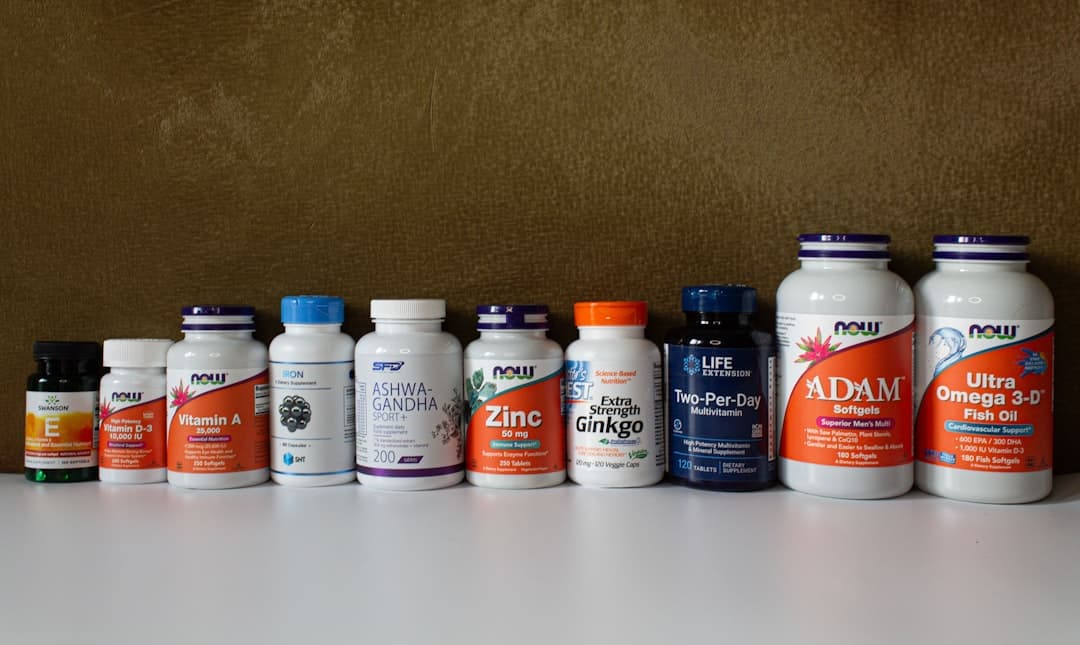
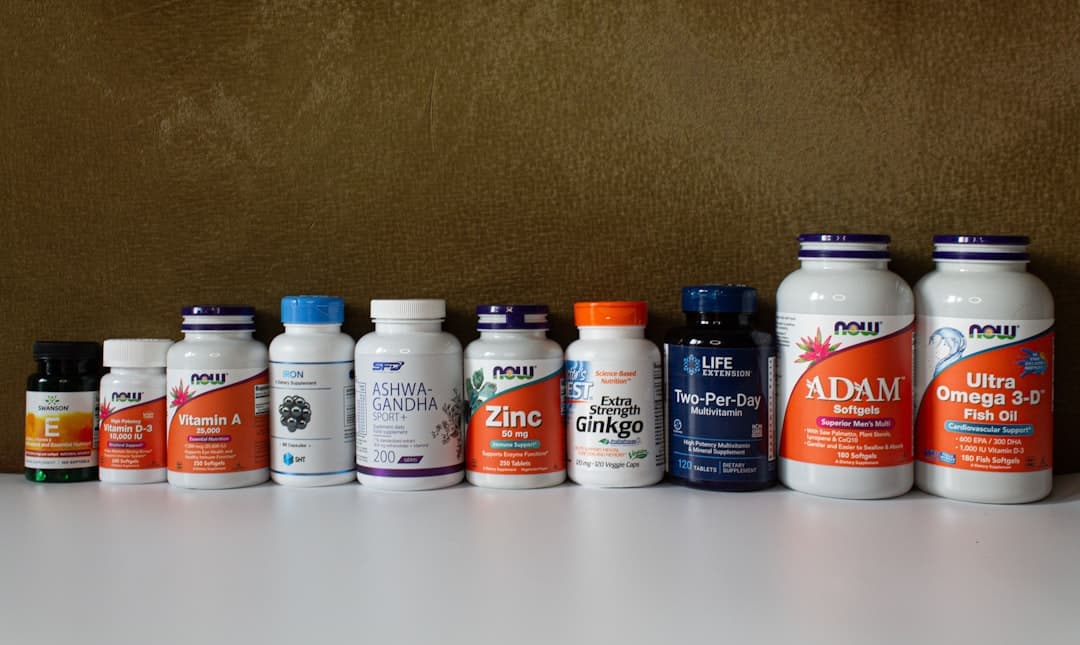
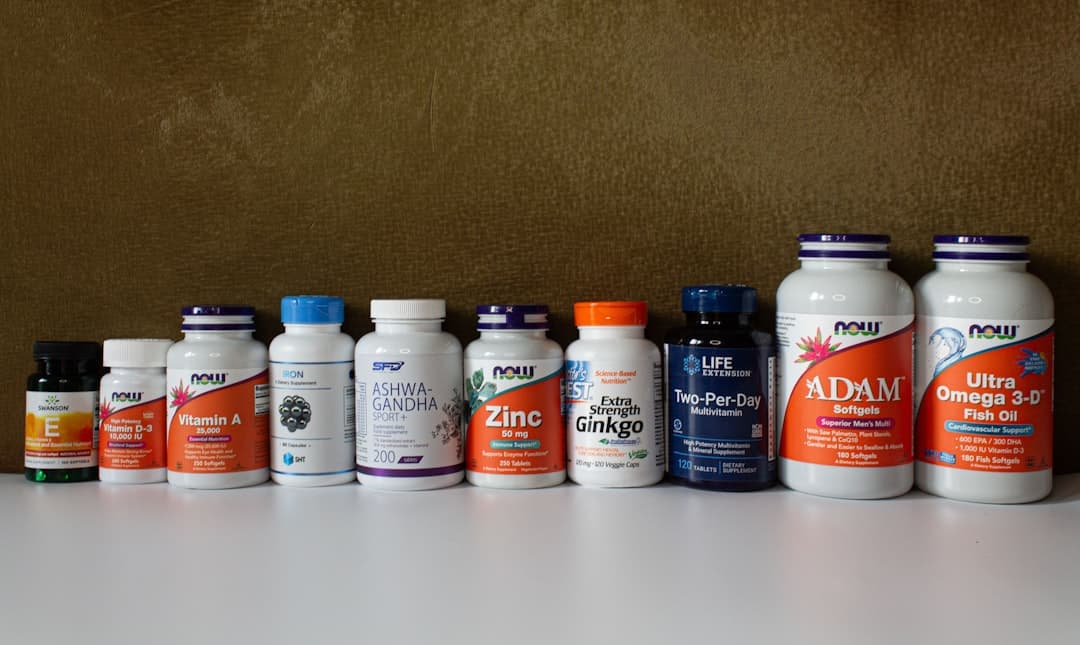
Multivitamins feel like an easy win, one pill to cover every nutritional base. But the video’s core message is blunt: for most generally healthy adults eating a reasonably balanced diet, daily multivitamins have not been shown to reduce heart disease, cancer, or overall risk of death. A big reason people keep taking them is that many feel healthier, a pattern consistent with placebo effects. Still, the discussion highlights five groups where a multivitamin can make practical sense, especially pregnancy (folic acid) and situations where diet or absorption is limited.

Why Health Debates Get Politicized, and What Matters
Nutrition & Diets

Why Health Debates Get Politicized, and What Matters

Health topics like raw milk, fluoride, seed oils, and ultra processed foods are increasingly treated as political identity markers rather than practical risk discussions. In this video, the speaker critiques a New York Magazine series about the “Make America Healthy Again” (MAHA) movement, arguing that legitimate concerns about toxins and diet are being bundled with partisan narratives to discredit people and ideas. This article unpacks the video’s unique framing, then cross checks key claims with mainstream research on ultra processed foods, PFAS, pesticides, microplastics, and fluoride, highlighting trade offs, uncertainties, and safer, actionable steps.

Meat Only Diet, Blood Work, and the 15-AG Clue
Nutrition & Diets

Meat Only Diet, Blood Work, and the 15-AG Clue

A surprising detail from this blood work review is that after about 3.5 to 4 weeks of a near-zero-carb, carnivore-style diet, LDL barely moved, A1c nudged down, and fasting insulin dropped, yet a newer marker called 15-anhydroglucitol (15-AG) landed low-normal at 10.9. The central takeaway is not that meat “caused diabetes,” but that short-term glucose variability can show up in ways A1c may miss. The discussion frames 15-AG as a practical tool to spot glucose peaks and troughs, especially for people trying to fine-tune diet, training, sauna use, and recovery.

RFK Jr. at HHS: A Food-First Bet on Health Change
Nutrition & Diets

RFK Jr. at HHS: A Food-First Bet on Health Change

This video frames RFK Jr. becoming HHS Secretary as a rare chance to tackle America’s chronic disease crisis by changing the food system, not just expanding medical care. The speaker focuses on subsidies that make ultra-processed foods cheap, the reality that SNAP can buy items like soda and pastries, and the idea that low-income health gaps are tied to food access. The discussion also critiques media incentives, questions agency priorities, and argues that better nutrition messaging and research funding choices could shift outcomes, especially for kids.

The “Sugar Diet” Claim: Can Pure Sugar Get You Lean?
Nutrition & Diets

The “Sugar Diet” Claim: Can Pure Sugar Get You Lean?

The viral “sugar diet” idea claims that eating mostly pure sugar in a calorie deficit can improve energy, reduce “crashes,” and even help you get lean, partly by triggering liver signals like FGF-21. This video takes an investigative, skeptical view: yes, high carbs can temporarily increase muscle fullness and vascularity, especially in already lean lifters, but most adults are not metabolically healthy enough for a high liquid-sugar approach to be a smart bet. The discussion emphasizes testing rather than guessing, and warns that what works for a highly trained person may not translate to the average person.

A Doctor’s Take on MrBeast’s 100-Lb Weight Loss Bet
Nutrition & Diets

A Doctor’s Take on MrBeast’s 100-Lb Weight Loss Bet

A clinician reacts to MrBeast’s video about “trapping” a participant in a circle until he loses 100 pounds, and the reaction is more nuanced than hype. The core themes are sustainability over spectacle, why single weigh-ins can mislead, how calories and protein matter even with “healthy” foods, and why rest days and medical monitoring are essential. The discussion also turns unexpectedly serious when the participant’s coach dies, highlighting how grief and isolation can affect health behaviors. The participant later shares his “four pillars” (sleep, nutrition, hydration, activity) and the clinician adds a key tip: find a primary care doctor you trust to separate fact from fiction.

Detox Microplastics: Simple Daily Steps That Help
Nutrition & Diets

Detox Microplastics: Simple Daily Steps That Help

Can you actually do anything about microplastics in your body? This video’s perspective is practical: reduce what you take in, and support the body’s built-in exit routes. The approach focuses on gut lining support (glutamine), “soluble fiber flush” to move particles out in stool, hydration for kidney filtration, lymph movement, sulfur foods for liver phase 2 detox, deep sleep for brain cleanup, autophagy through occasional 18-hour fasts, beta-glucans, sweating, and microbiome support. It also emphasizes kitchen and home swaps to lower ongoing exposure so your body can catch up.

Veggie Starters: A Simple Way to Tame Glucose Spikes
Gut Health

Veggie Starters: A Simple Way to Tame Glucose Spikes

Eating a plate of non-starchy vegetables before the rest of a carb-heavy meal may help blunt glucose spikes, reduce insulin release, and keep you fuller longer. This “veggie starter” approach, popularized by biochemist Jessie Inchauspé (Glucose Goddess), leans on fiber’s ability to slow digestion and on gut hormones like GLP-1 that support satiety. It is intentionally simple: add vegetables first, then eat your usual meal. It can be done at home, at restaurants, and even paired with vinegar as a salad dressing. It is not a free pass for ultra-processed foods, but it can make everyday meals feel better.

4 Blue Zone Habits for Longer, Healthier Living
Nutrition & Diets

4 Blue Zone Habits for Longer, Healthier Living

Two physicians break down what “Blue Zones” can teach everyday people about living longer with a better health span, not just a longer life. Their take is refreshingly practical: focus less on hacks and more on repeatable patterns found in five longevity hotspots. The four habits they emphasize are eating wisely (mostly plants and not too much), moving naturally (more daily movement, less sitting), staying connected (family, faith, groups), and protecting your outlook (purpose, meaning, stress control). They also address real-world edge cases, genetics, and criticisms, and explain why Blue Zones may be shrinking as ultra-processed foods spread.

High-Dose Vitamin D for Muscle, Leptin, and Fat
Supplements & Vitamins

High-Dose Vitamin D for Muscle, Leptin, and Fat

This video’s big idea is simple but provocative: higher, even “supraphysiologic,” vitamin D status might help the body send extra calories toward muscle growth rather than fat storage. The discussion centers on a 2024 narrative review that connects vitamin D to two key signals, **myostatin** (a brake on muscle growth) and **leptin** (a hormone tied to satiety, inflammation, and energy sensing). The evidence highlighted is largely animal and mechanistic, not a human randomized trial, but it raises practical questions about vitamin D testing, seasonal deficiency, and how to supplement safely, especially when aiming for higher blood levels.

Doctor-Favorite OTC Picks That Actually Make Sense
Nutrition & Diets

Doctor-Favorite OTC Picks That Actually Make Sense

Over-the-counter aisles can feel like a wall of hype, so this video takes a refreshingly practical approach: ask medical specialists what they personally “swear by.” The picks are not flashy, they are functional. Think nasal saline for congestion, preservative-free thicker eye drops for dry eye, psyllium husk fiber for smoother bowel movements, lubricant for comfort during sex, Vicks VapoRub as a budget toenail option, a home blood pressure cuff for self-tracking, tea as a long-standing wellness habit, fluticasone spray used creatively for adhesive itch, and topical diclofenac for joint pain. The throughline is simple: choose tools with clear, realistic benefits.

10 US-Legal Foods Banned in China, What to Know
Nutrition & Diets

10 US-Legal Foods Banned in China, What to Know

It is frustrating to learn that foods on everyday US shelves can contain additives or processing aids that other countries restrict. This article unpacks the video’s list of 10 examples, from ractopamine in meat production to chlorine-washed chicken, preservatives like BHA/BHT and TBHQ, and dough improvers like potassium bromate. The through-line is not panic, it is leverage: understand labels, ask better questions, and “vote with your wallet.” You will also see a practical “before vs after” shopping comparison and a step-by-step label-reading system you can use today.

Milk Kefir: A Deep Dive Into Gut Health Benefits
Nutrition & Diets

Milk Kefir: A Deep Dive Into Gut Health Benefits

Milk kefir is not just “drinkable yogurt.” In the video, the presenter describes being late to kefir, then becoming a regular home fermenter, making it 3 to 4 days per week for its tang, light carbonation, and “feel good” effect. He frames kefir as a whole food probiotic that can be more practical than pills, highlights its unique mix of bacteria and yeasts, and walks through a simple countertop method (18 to 24 hours). Research reviews and newer microbiome papers suggest kefir may support gut function and may influence markers like blood sugar in some groups, but results can vary by product and person.

Why 10,000 Daily Steps May Matter More Than Lifting
Exercise & Training

Why 10,000 Daily Steps May Matter More Than Lifting

Many people assume the biggest longevity lever is lifting heavier, eating perfectly, or buying the right supplement. The video’s unique point is simpler: walking is the habit most people already do, just not enough. The presenter notes most people average about 5,000 steps, and shares a study comparison where 10,000 steps per day was linked to about a 50% lower risk of death than 3,500 steps. They also highlight a dose-response idea: each additional 1,000 steps is associated with about a 12% lower risk. The practical twist for lifters is to build steps into your training day, even by walking between sets.

Oxalates: Hidden Triggers in “Healthy” Foods
Supplements & Vitamins

Oxalates: Hidden Triggers in “Healthy” Foods

Oxalates are natural compounds in many plant foods, especially spinach, Swiss chard, nuts, tea, rhubarb, and sweet potatoes. The video’s core message is practical: if you are susceptible, high oxalate meals, especially raw spinach salads and smoothies, can be a hidden trigger. The discussion highlights calcium binding, kidney stone risk, and possible links to vague symptoms like fatigue or joint aches in some people. The good news is that food prep matters. Strategies like boiling, soaking, sprouting, and fermentation can lower oxalates, while pairing high oxalate foods with calcium-rich foods may reduce absorption.

RFK Jr’s “Banned Foods” List, What It Means for Your Plate
Nutrition & Diets

RFK Jr’s “Banned Foods” List, What It Means for Your Plate

Most people think “banned foods” means a simple list of bad items to avoid. The presenter’s point is different and more practical, he frames it as a policy and incentives problem that shapes what ends up in schools, SNAP purchases, and everyday grocery carts. In his view, modern food is often “not food anymore,” because it is packed with artificial colors, industrial sweeteners, seed oils, and preservatives that keep products shelf-stable. He argues tax-funded programs should promote health, not disease, and questions why government money would subsidize soda, candy, and ultra-processed foods. He also highlights a less discussed issue, the GRAS loophole, where companies can self-certify new chemicals as safe without notifying the FDA. The article below translates his 10-item focus into realistic shopping, cooking, and label-reading steps, while noting trade-offs and who should be careful with higher-risk choices like raw milk.

Unlock Bigger Calves: A Unique Technique Explored
Gut Health

Unlock Bigger Calves: A Unique Technique Explored

Calf muscles are notoriously difficult to grow, but recent insights reveal specific techniques that can make a significant difference. This article explores the benefits of standing calf raises with straight knees, the importance of deep stretching, and the impact of toe positioning. Supported by scientific studies, these approaches offer a nuanced perspective on enhancing calf muscle growth.

Unlocking the Benefits of Daily Lemon Cucumber Water
Hydration

Unlocking the Benefits of Daily Lemon Cucumber Water

Drinking lemon cucumber water every day can offer numerous health benefits. From reducing oxidation and inflammation to improving joint mobility and digestion, this hydrating beverage is packed with electrolytes like potassium and magnesium. The expert insights reveal how the natural diuretic properties of cucumbers and lemons can aid in reducing swelling and enhancing liver and gallbladder function. Supported by research, this article delves into the specifics of how this simple drink can improve your well-being.

Reducing Microplastic Exposure: Insights from Peter Attia
Hydration

Reducing Microplastic Exposure: Insights from Peter Attia

In a detailed discussion, Peter Attia outlines five effective strategies to minimize microplastic exposure. These include investing in quality coffee makers, choosing stainless steel water bottles, improving air filtration, using glass food containers, and adopting reverse osmosis water filters. While complete mitigation is impossible, these steps aim to significantly reduce exposure. Supported by scientific research, Attia emphasizes a balanced approach considering cost and effort.

Exploring the World's Smartest Gym: A Fusion of Fitness and Science
Exercise & Training

Exploring the World's Smartest Gym: A Fusion of Fitness and Science

The video takes us on a tour of the world's smartest gym, designed to integrate advanced technology with fitness. The gym is divided into two sections: the 'light side' for traditional exercises and the 'dark side' focused on bodybuilding. It also features a muscle lab equipped with devices like DEXA and EMG for conducting scientific studies, highlighting the gym's commitment to merging fitness with scientific research.

Brian Johnson's Blueprint: A Controversial Approach to Longevity
Longevity & Anti-Aging

Brian Johnson's Blueprint: A Controversial Approach to Longevity

Brian Johnson’s Blueprint is framed in the video as a high-control, data-driven attempt to slow aging, but also as a controversial lifestyle that may lack strong scientific grounding and could even be harmful for some people. The discussion highlights two parallel stories: a public “Don’t Die” movement centered on biomarker measurement, and a media backlash that turns health into a spectacle. If you are curious about longevity, the most useful takeaway is not copying a millionaire’s routine, but learning how to measure what matters, choose sustainable basics, and avoid extreme, unproven interventions.

The Surprising Truth About Raw Milk: A Deep Dive
Nutrition & Diets

The Surprising Truth About Raw Milk: A Deep Dive

Raw milk has surged in popularity, often framed as a more “natural,” easier-to-digest option with extra enzymes and probiotics. This video’s unique perspective is not anti milk, it is pro evidence. It traces how unsafe milk in the 1800s helped drive pasteurization, a change linked to dramatic drops in infant deaths. It also explores the intriguing “farm effect” research suggesting early life farm exposures, possibly including raw milk, may reduce allergies and asthma. But the discussion emphasizes a key trade-off: raw milk carries a much higher risk of serious foodborne illness, while most nutrition claims are unproven for adults.

Have a health question?

Ask Clara, our AI health assistant, for personalized guidance.

Ask Clara

We use cookies to provide the best experience and analyze site usage. By continuing, you agree to our Privacy Policy.