Luke Torres

Editorial DeskEvidence-Based Content

This content is produced by the Healthy Flux Fitness & Performance Editorial Desk. Articles are curated from peer-reviewed research, clinical guidelines, and expert medical sources, then reviewed under our editorial standards. Content is educational and not a substitute for professional medical advice.

15articles produced
5health topics
Home WorkoutsSports NutritionMuscle BuildingExercise & TrainingRecovery & Mobility

Articles Produced by This Editorial Desk

Best Workout Split for Muscle, a Science-Based Take
Muscle Building

Best Workout Split for Muscle, a Science-Based Take

If you have ever bounced between push pull legs, a bro split, and full body training, the most useful question is not, “Which is perfect?” It is, “Which can I repeat consistently?” This video ranks common splits with a practical lens: full body and 4-day upper lower land in the top tier for most people, while push pull legs is strong but can be a lot for beginners. The most unique takeaway is the “S tier plus” hybrid the speaker used in a 365-day experiment, where they reported their best gains in years.

Creatine for Brain Energy, Muscle, and Healthy Aging
Muscle Building

Creatine for Brain Energy, Muscle, and Healthy Aging

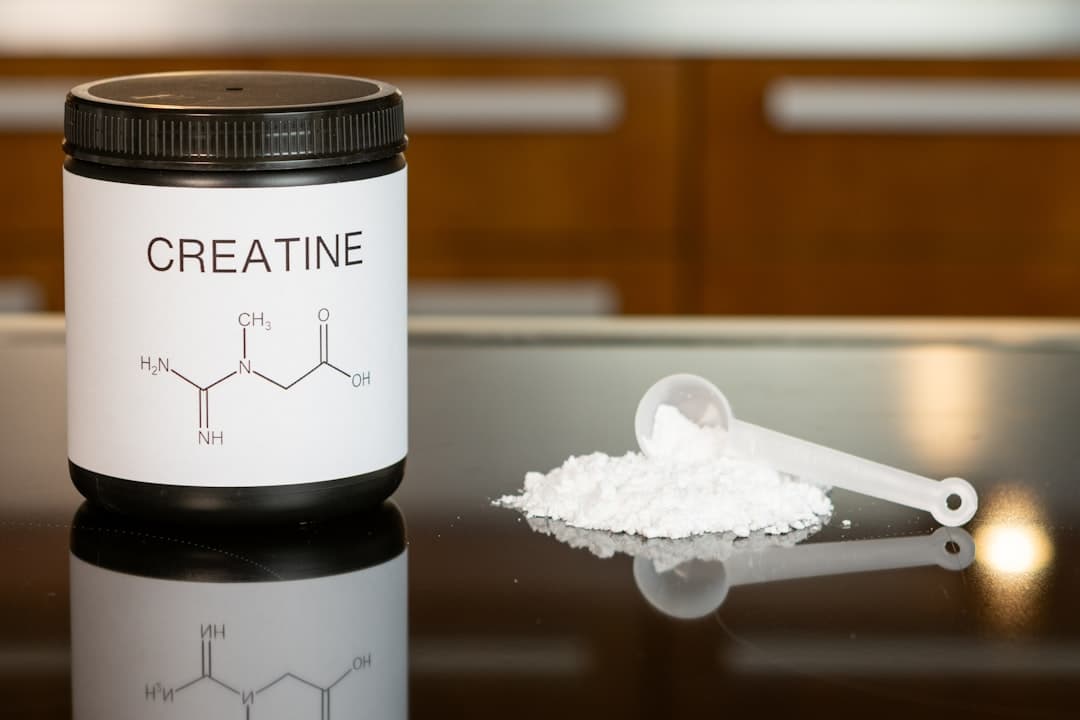
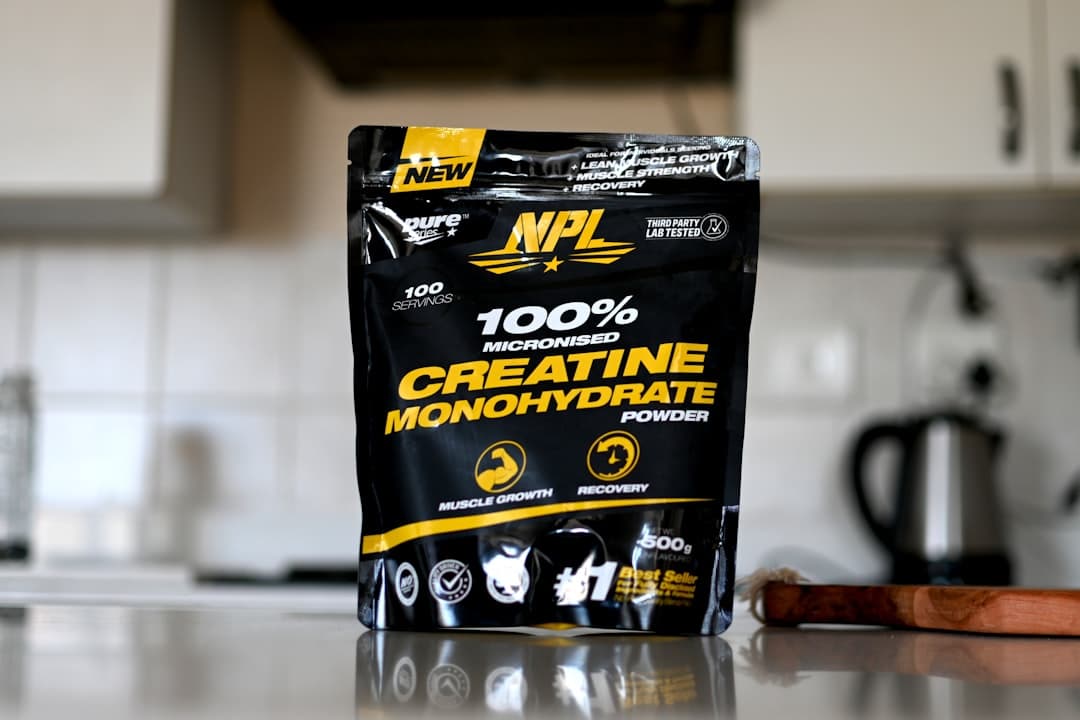
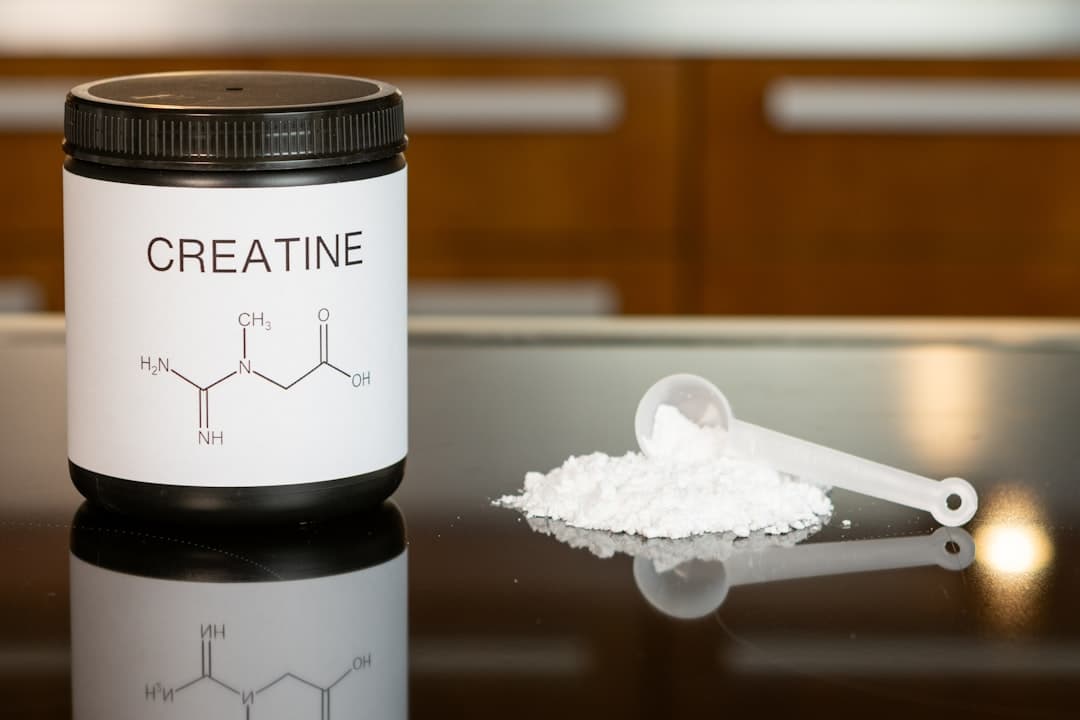
Creatine is usually marketed for muscle, but this video frames it as a foundational “energy buffer” for high-demand tissues, including skeletal muscle, brain, eyes, inner ear cells, and even the placenta. The key idea is simple: your body stores limited ATP, and creatine helps rapidly recycle ATP when energy demand spikes, during hard training, intense focus, sleep loss, or aging. The discussion also highlights creatine’s indirect antioxidant role through more efficient mitochondrial respiration. You will also learn practical dosing, why electrolytes may matter for uptake, and common misconceptions about hair and kidneys.

3 Lifting Lessons: Effort, Focus, Patience
Muscle Building

3 Lifting Lessons: Effort, Focus, Patience

Early lifting can feel confusing, slow, and noisy, especially online. This video’s core message is refreshingly simple: you do not need three sets of everything, you need one or two sets you actually push hard, especially through the last reps that burn and slow down. It also argues that social media “optimization” matters far less than showing up and doing basic lifts consistently. Finally, it reframes slow progress as normal, not failure, and encourages judging results over months, not days, because muscle growth takes time.

Get Jacked on $10 a Day vs $10,000: What Matters
Muscle Building

Get Jacked on $10 a Day vs $10,000: What Matters

Most people assume getting muscular requires expensive food, elite coaching, and fancy recovery tools. This video’s experiment challenges that idea by comparing a $10 day (four budget meals, cheap caffeine, low-cost gym) to a $10,000 day (float tank, Michelin-trained chef, top hypertrophy coach, spa recovery). The key theme is simple: muscle-building results mainly come from training hard, hitting calories and protein, and sleeping well. Money can help with taste, convenience, and coaching, but it is rarely required for progress if your basics are solid.

5 Women’s Supplements for Stress, Fog, and Training
Muscle Building

5 Women’s Supplements for Stress, Fog, and Training

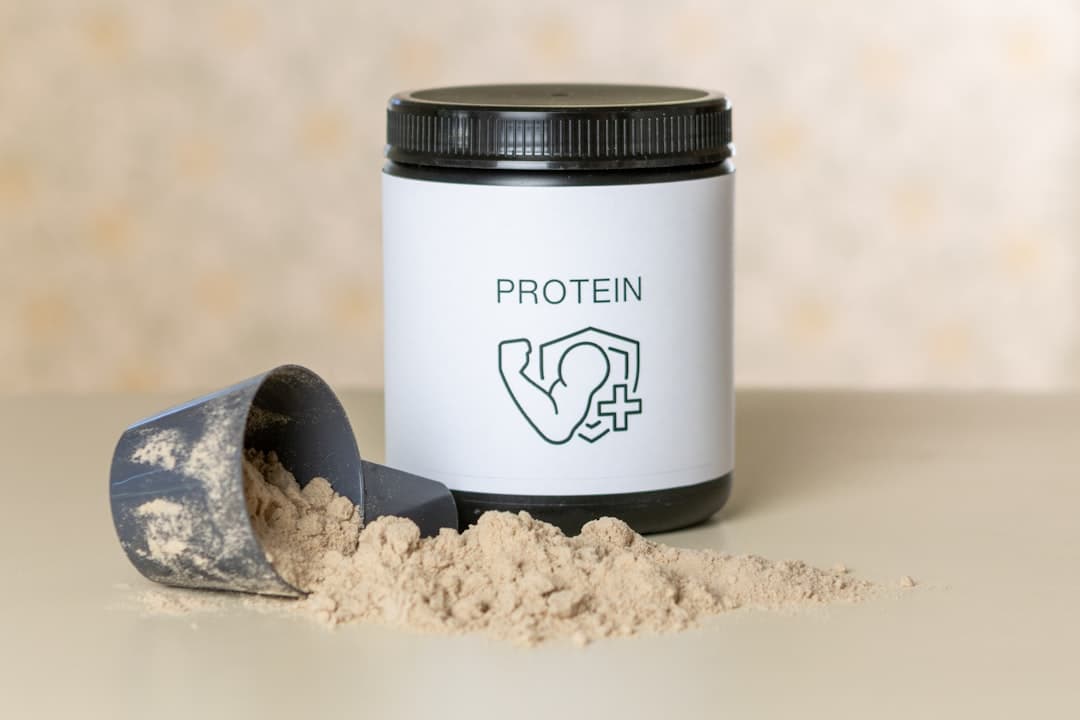
The video’s core message is practical: supplements should fill real gaps, not replace food, and the first filter is quality. The expert shares a short list she uses regularly, protein powder, creatine monohydrate (3 to 5 g daily), omega-3s, and two adaptogens (rhodiola and ashwagandha). She also clarifies a common misconception: collagen is for structure (joints, skin, hair), not for counting toward daily protein for muscle. This article translates that viewpoint into everyday steps, with safety notes for thyroid meds and tips for choosing clean, third-party tested products.

Science vs Bro Training: Who Builds More Muscle?
Muscle Building

Science vs Bro Training: Who Builds More Muscle?

A common gym puzzle is whether the “science guy” (always following the latest research) or the “bro” (training hard by feel) gains more muscle. The video’s take is refreshingly balanced: both approaches contain key truths. Getting close to failure is a big driver of growth, and so is using a variety of exercises to hit a muscle from multiple angles. If both lifters stay natural and train consistently, the science-guided lifter may edge out more muscle and fewer injuries long term, but the real-world difference is often smaller than people expect.

Top 3 Quad Exercises for Tree Trunk Legs at Home
Home Workouts

Top 3 Quad Exercises for Tree Trunk Legs at Home

If you want bigger quads, the most useful question is not “what burns,” it is “what can I progressively overload and repeat consistently?” This video’s hierarchy is clear: squats win for real-world progression, leg extensions may target the rectus femoris better than squats because the hips are fixed, and Bulgarian split squats are brutally effective but so fatiguing that the speaker limits them to two sets. Below is a practical, science-informed look at why each exercise lands where it does, plus setup cues and safety notes for home training.

Overtraining Is Rare, Here’s What It Actually Looks Like
Home Workouts

Overtraining Is Rare, Here’s What It Actually Looks Like

True overtraining is far harder to reach than most people think. This video frames training on a spectrum, from undertraining (no growth) to a sweet spot for gains, to functional overreaching (a short performance dip that can rebound higher), and finally to true overtraining (weeks or months of stalled performance with no extra gains after recovery). The key insight is that most home exercisers are not doing the extreme volume and intensity seen in studies that can trigger real overtraining. The practical goal is to push hard enough to grow, then recover hard enough to adapt.

Cheat Reps vs Strict Form: What Builds Muscle Safely?
Muscle Building

Cheat Reps vs Strict Form: What Builds Muscle Safely?

You are curling, the last reps feel impossible, and you instinctively swing a little to finish the set. This video explores that exact moment with a simple but surprising experiment: beginners trained one arm with strict reps and the other with cheat reps for 8 weeks. Both arms grew about the same. The catch is that strict form achieved similar growth with lighter weights, which may reduce joint and tendon stress over time. The practical takeaway is not that cheating is “bad”, but that load, control, and long-term safety should guide your choice.

Inside the World's Most Scientific Gym: A New Era in Fitness
Recovery & Mobility

Inside the World's Most Scientific Gym: A New Era in Fitness

Many people train hard, yet still feel stuck, sore, or unsure whether their program is actually working. In this video, Jeff Nippard offers a different solution, build an environment where training decisions can be tested, measured, and refined like real experiments. His “Jeff Nippard Muscle Lab” combines two gym rooms (a brighter strength-focused side and a darker bodybuilding-focused side) with a research room centered on tools like DEXA, ultrasound, BIA, and EMG. The unique message is not that one machine is “best” for everyone, but that thoughtful equipment choices can change joint angles, range of motion, and resistance curves in ways you can feel and potentially measure. He also argues that filming subjects and using larger sample sizes could make exercise science more understandable and more useful. The result is a practical, curiosity-driven approach to recovery, mobility, and progress tracking.

Is Tap Water Really Dehydrating You? Exploring the Claims
Sports Nutrition

Is Tap Water Really Dehydrating You? Exploring the Claims

In sports nutrition, proper hydration is often misunderstood. The video challenges the idea that plain tap water is enough for hydration, suggesting it may deplete electrolytes instead. While some health claims are debunked, the video's expert emphasizes the importance of balanced electrolyte intake, especially for those who sweat a lot. This article delves into these claims, backed by scientific research.

Budget Muscle Building: Achieve Your Fitness Goals for $8 a Day
Muscle Building

Budget Muscle Building: Achieve Your Fitness Goals for $8 a Day

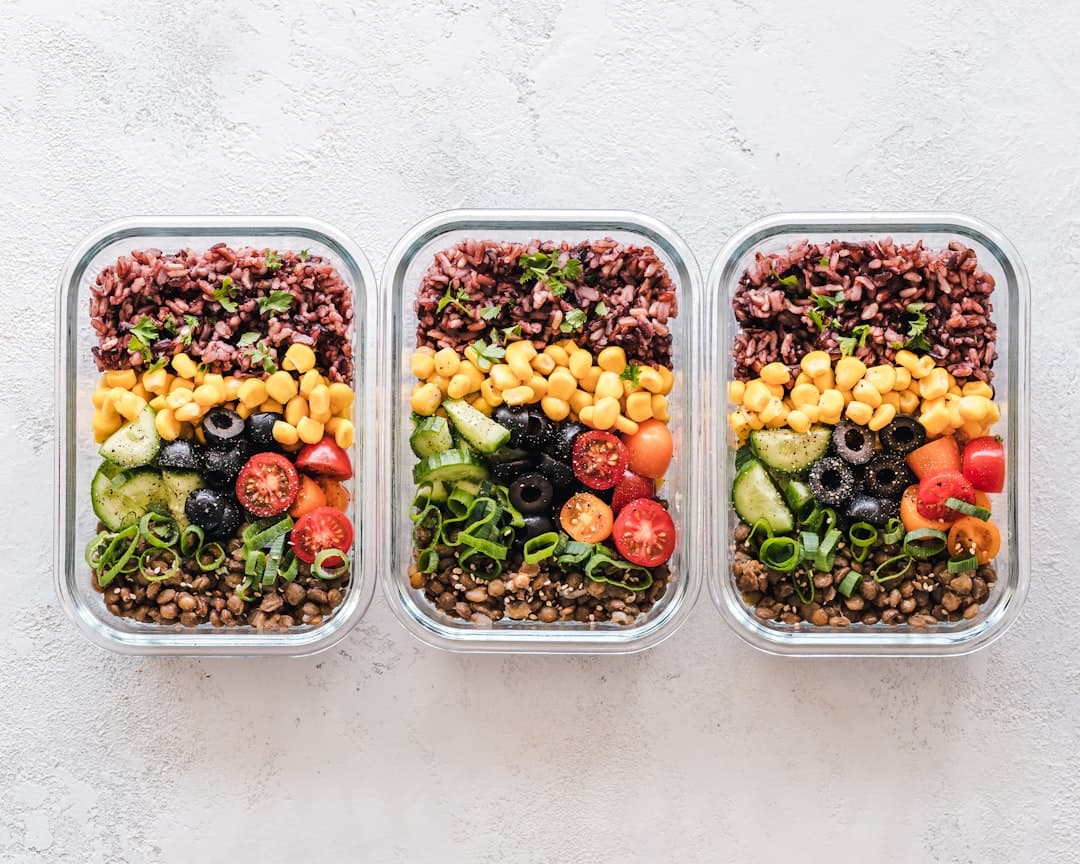
This video’s core takeaway is practical: muscle building does not have to be expensive if you anchor your day around a few high-protein staples and keep “extras” minimal. The $8-a-day framework stacks protein across five moments, a smoothie breakfast (48 g), a chicken wrap lunch (43 g), a turkey stir fry post-workout (46 g), and a Greek yogurt snack before bed (27 g). It also budgets for 5 g creatine, a multivitamin, low-cost caffeine, an inexpensive gym membership, and a macro-tracking app. The bigger point is consistency, not perfection.

Transforming Dad Bod to D.I.L.F.: A Journey to Fitness
Exercise & Training

Transforming Dad Bod to D.I.L.F.: A Journey to Fitness

This video takes a blunt stance, a “dad bod” is not something to celebrate when it reflects rising body fat, visible chest fat, and declining muscle. The presenter links increasing body fat in men with potential fertility concerns and higher cardiometabolic risk, then pivots to the core message, muscle loss starts early and accelerates when you become sedentary. A memorable number anchors the call to action, if you are not lifting, you could lose about 3 to 5 percent of muscle every decade. The proposed solution is refreshingly practical, strength train two to three times per week to help reverse muscle loss and rebuild strength. The “D.I.L.F.” rebrand is intentionally reframed as “Dads Into Living Fit”, focused on resisting passive decline and protecting the broad health benefits that come with healthy muscle.

Effective Strategies to Reduce Inner Thigh Fat and Cellulite
Exercise & Training

Effective Strategies to Reduce Inner Thigh Fat and Cellulite

The video’s core message is that stubborn inner thigh fat is often not just “fat under the skin.” The presenter describes a deeper problem where fat infiltrates and surrounds muscle fibers, alongside scar tissue and shrinking muscle capacity. In that situation, the goal is not quick scale weight loss, it is repairing the muscle “machine” so it can finally burn the local fat reserve. That is why early progress may not show on the scale, even when important changes are happening inside the muscle. The approach emphasizes eccentric, slow-lengthening leg work, frequent walking (especially after meals), fewer daily meals with lower carbohydrate intake, and strong recovery habits like sleep and rest days. Periodic longer fasts and optional cold exposure are presented as accelerators, not starters. Progress is measured by strength gains and reduced hunger over time, not weekly weigh-ins.

How Simple Fitness Tests Can Predict Your Health Risks
Exercise & Training

How Simple Fitness Tests Can Predict Your Health Risks

This video’s core message is surprisingly practical, a few simple, clinically used fitness tests can reveal much more than workout progress. The presenters, two physicians, walk through quick checks that clinicians use to estimate functional status and predict real world outcomes like fall risk, frailty, hospitalization within a year, and even mortality. Their emphasis is not on athletic performance, but on everyday capability, getting out of a chair, walking a short distance, balancing briefly, sustaining a six minute walk, and producing adequate grip strength. They also highlight an important nuance, training specifically to “beat the test” can make the score look better without improving overall health. Instead, the tests are meant to identify opportunities, such as leg strength, balance, or endurance, so you can track progress over time and age more successfully.

Have a health question?

Ask Clara, our AI health assistant, for personalized guidance.

Ask Clara

We use cookies to provide the best experience and analyze site usage. By continuing, you agree to our Privacy Policy.